Ideas to Make Your Home Entrance More Beautiful and Welcoming

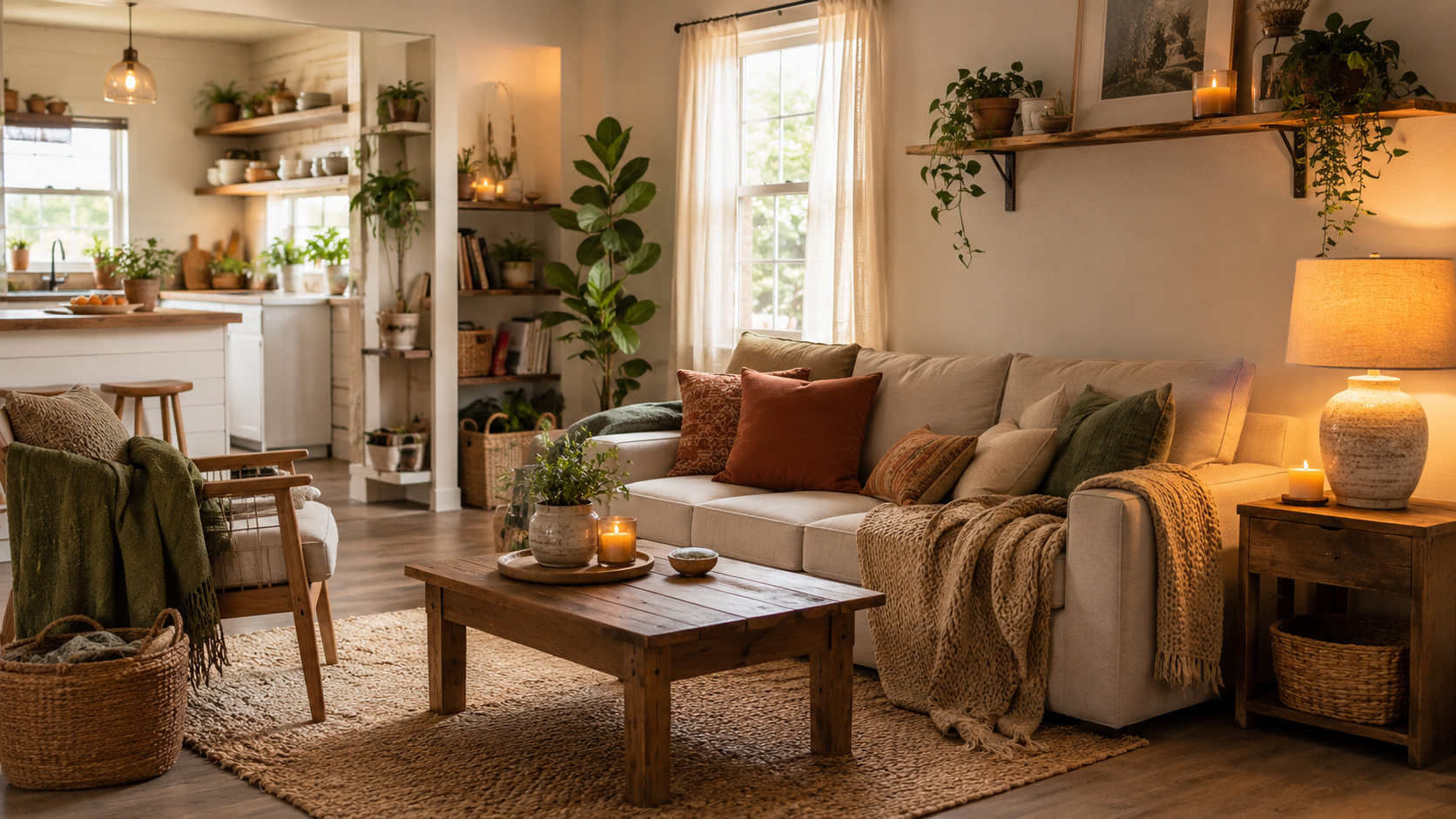
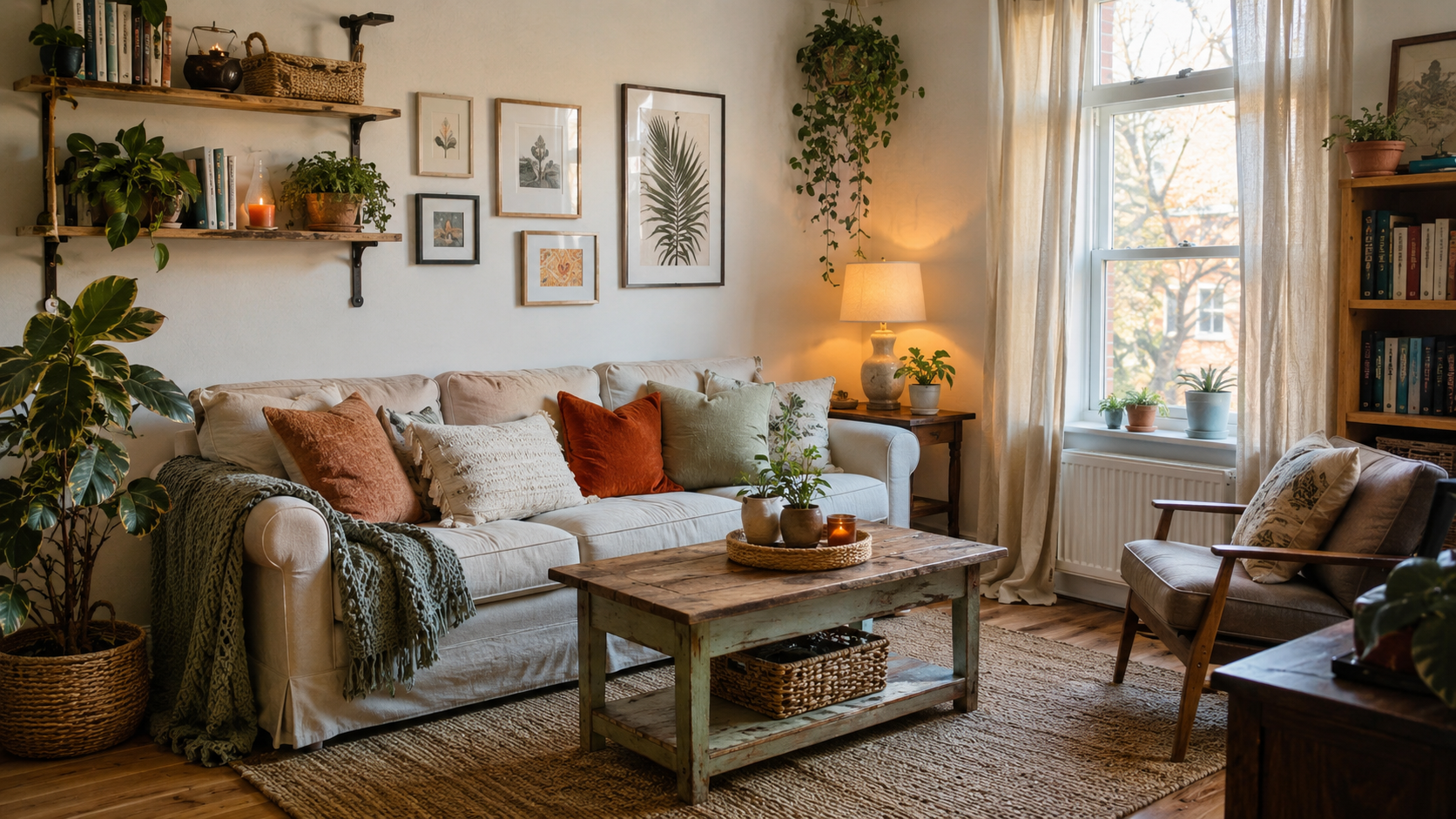
Firstly, creating a cozy home does not depend on having expensive furniture, a large house, or a complete renovation. A cozy home is built through comfort, care, organization, lighting, textures, colors, and small details that make each space feel welcoming. Even with few resources, it is possible to transform the atmosphere of your home in a simple and meaningful way.
Moreover, coziness is not only about decoration. It is also about how a home feels when you enter it, how easy it is to relax, how comfortable the rooms are, and how well the space supports daily life. A clean, organized, and thoughtfully arranged home can feel much warmer than a house filled with expensive but impersonal objects.
Therefore, this guide will show you how to create a more cozy home with few resources. You will learn how to use what you already have, improve lighting, organize spaces, add soft textures, decorate with plants, create pleasant scents, and make your home more inviting without spending too much.
Before anything else, a cozy home begins with organization. When a room is full of clutter, it becomes harder to feel comfortable, even if the decoration is beautiful. Objects scattered on tables, floors, chairs, and counters can create visual noise and make the home feel stressful.
To begin, choose one area at a time and remove items that do not belong there. Return dishes to the kitchen, clothes to the wardrobe or laundry basket, papers to a folder, and tools to their proper storage area.
Additionally, avoid trying to organize the entire house at once. Start with the spaces you use most, such as the living room, bedroom, kitchen, and bathroom. When these areas are under control, the whole home feels more peaceful.
Ultimately, organization is one of the most affordable ways to create coziness because it costs nothing and immediately improves the feeling of the space.
Often, people think they need to buy new decorations to make a home cozier. However, many improvements can be made by reusing and rearranging items that are already in the house.
For example, a blanket from the bedroom can make the living room sofa more inviting. A basket from the laundry area can organize magazines or cushions. A small table from one room can become a bedside table in another. A forgotten vase can become a decorative piece with fresh branches or dried flowers.
Moreover, moving furniture can change the entire atmosphere of a room. A chair near a window can create a reading corner. A table closer to a lamp can make a space more functional. A sofa positioned for conversation can make the living room more welcoming.
Therefore, before buying anything new, walk through your home and look at your belongings with creativity.
Certainly, lighting is one of the most powerful ways to make a home feel cozy. A room with harsh or cold lighting can feel uncomfortable, while soft and warm lighting creates a calm and welcoming atmosphere.
Firstly, take advantage of natural light during the day. Open curtains, clean windows, and allow sunlight to enter the home. Natural light makes rooms feel fresher, brighter, and more pleasant.
Secondly, use softer lighting in the evening. Table lamps, floor lamps, bedside lamps, and indirect lights can create a more relaxed mood than a strong ceiling light.
Additionally, choose warm light bulbs for living rooms and bedrooms when possible. Warm lighting helps create a sense of comfort, especially in spaces used for rest and relaxation.
Naturally, texture plays an important role in creating a cozy home. Soft fabrics and warm materials make rooms feel more comfortable and visually inviting.
For instance, cushions, throw blankets, rugs, curtains, table runners, and bedding can add softness without requiring major changes. Even one blanket on a sofa or one rug beside the bed can make a difference.
Additionally, textures do not need to be expensive. Cotton, linen, wool-like fabrics, woven baskets, simple rugs, and knitted details can all create warmth.
However, avoid adding too many items at once. A cozy home should feel comfortable, not crowded. Choose a few soft elements that make the space more pleasant and easy to maintain.
Generally, colors affect how a home feels. Some colors create energy, while others bring calm and comfort. To create a cozy atmosphere, use colors that feel balanced and welcoming.
For example, warm neutrals such as beige, cream, soft brown, terracotta, warm gray, and off-white can make a room feel peaceful. Soft greens and muted blues can also create a natural and relaxing mood.
Moreover, you do not need to repaint the entire house. You can introduce cozy colors through cushions, curtains, blankets, rugs, plant pots, artwork, or small decorative objects.
Additionally, keeping a simple color palette helps the home feel more organized. When colors work well together, the room appears calmer and more intentional.
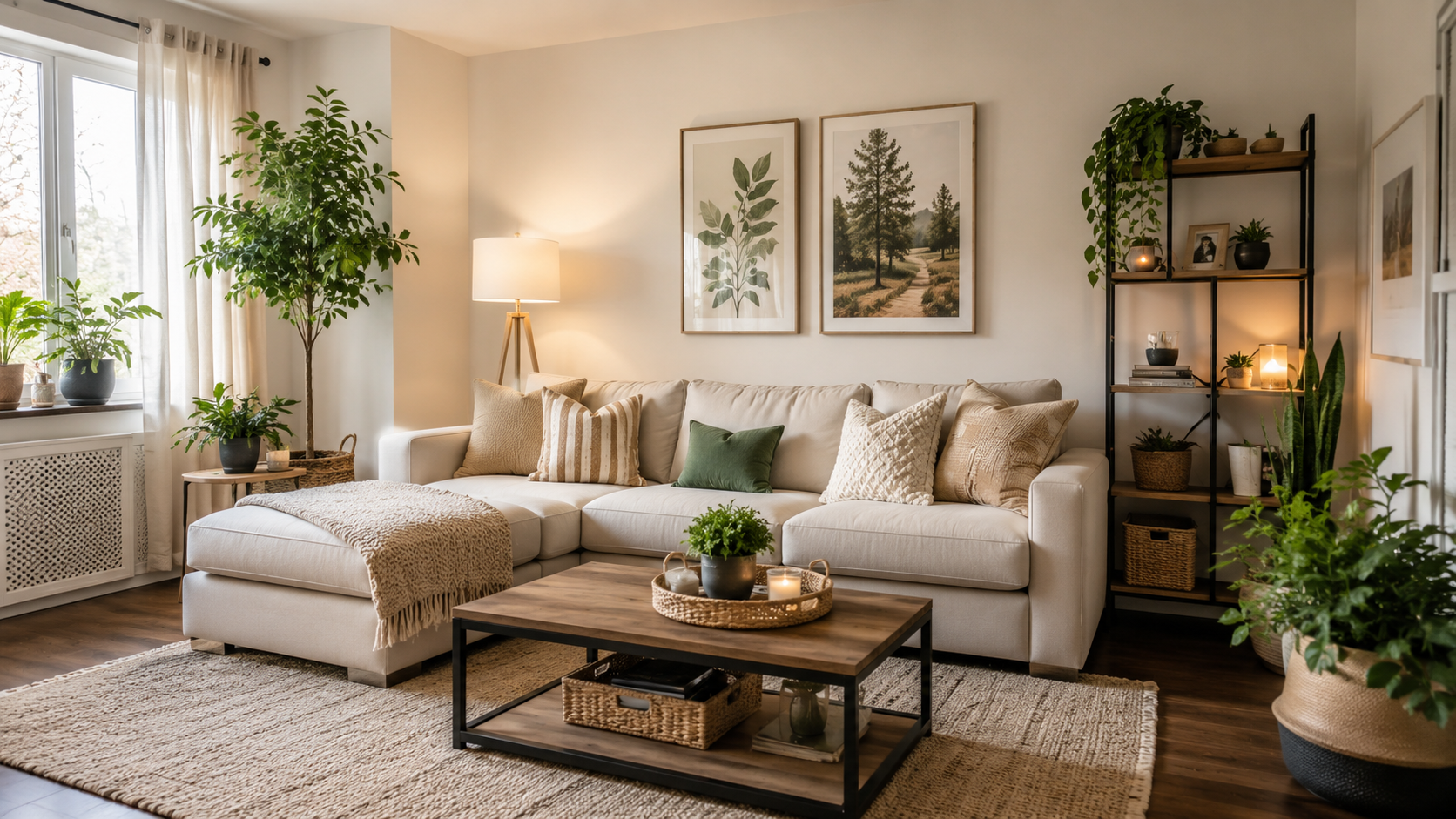
Usually, the living room is one of the main spaces for comfort. It is where people rest, talk, watch television, read, or receive visitors. Small changes can make it much cozier.
First, organize the sofa area. Arrange cushions neatly, place a throw blanket nearby, and keep a small table or tray for useful items such as books, candles, or remote controls.
Next, create a comfortable seating arrangement. Chairs and sofas should encourage conversation and relaxation. Avoid placing furniture in a way that blocks movement or makes the room feel closed.
Furthermore, add one or two personal touches. A framed photo, a plant, a favorite book, or a handmade item can make the living room feel more authentic and welcoming.
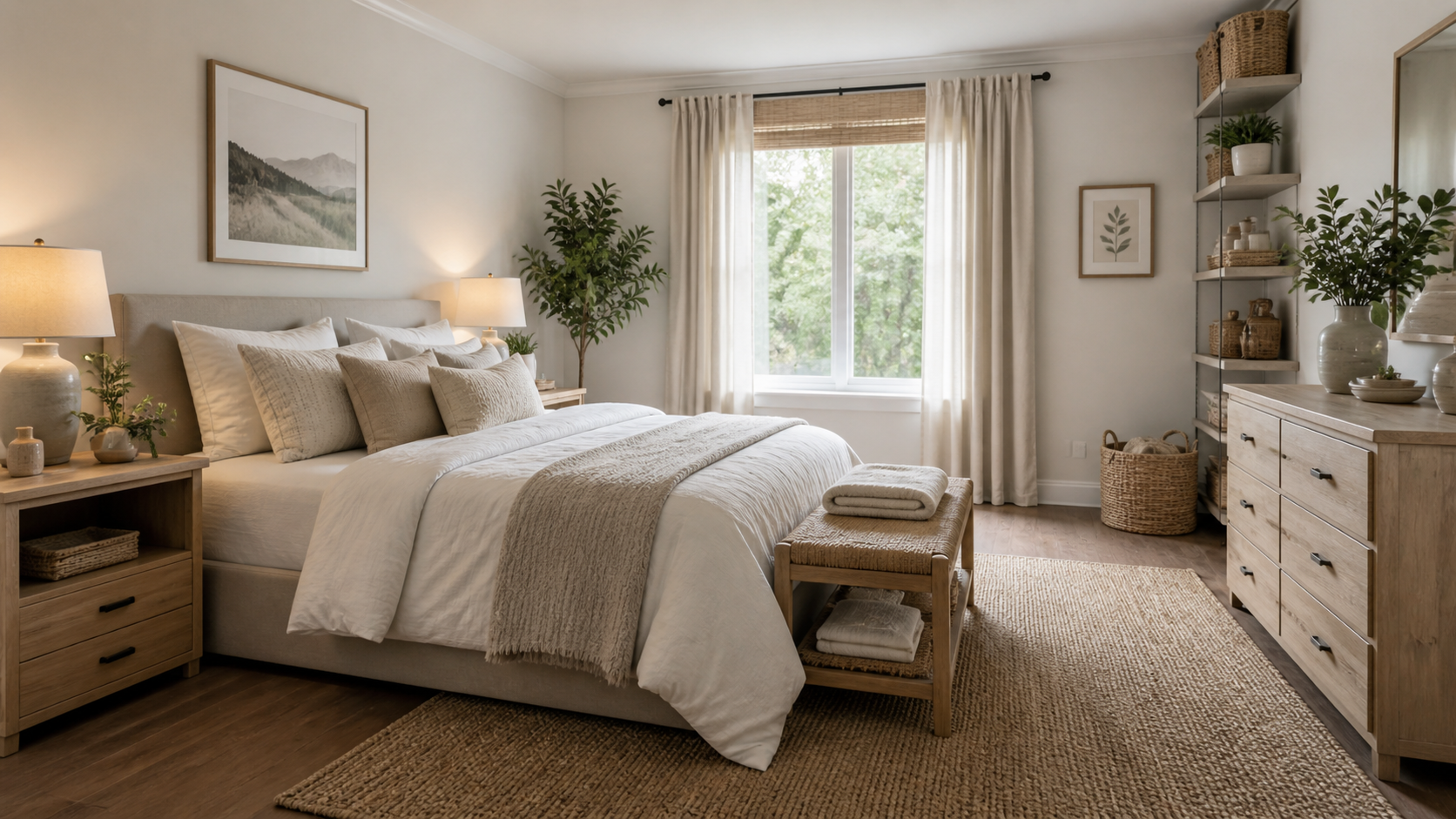
Naturally, the bedroom should feel restful and peaceful. A cozy bedroom does not need many decorations. It needs comfort, order, and a sense of calm.
Firstly, make the bed every day. Since the bed is usually the largest item in the room, keeping it neat immediately improves the appearance of the space.
Secondly, use clean and comfortable bedding. Soft sheets, a simple blanket, and well-arranged pillows can make the bedroom feel more inviting.
Additionally, reduce visual clutter near the bed. Keep bedside tables simple with only essential items, such as a lamp, a book, or a small decorative object.
Finally, use soft lighting at night. A bedside lamp can create a much cozier feeling than bright overhead lighting.
Clearly, the kitchen is often seen as a functional area, but it can also feel cozy. A warm kitchen makes cooking and daily meals more pleasant.
First, keep counters clean and organized. Too many objects on the counter can make the kitchen feel busy. Leave only what you use often, such as a fruit bowl, coffee maker, or utensil holder.
Next, add small decorative elements. A plant near a window, a simple rug, a wooden cutting board, or matching containers can make the kitchen feel more cared for.
Moreover, maintain pleasant scents naturally by taking out trash regularly, cleaning the sink, and keeping the refrigerator organized. A fresh kitchen contributes to the comfort of the whole home.
Definitely, plants are one of the best ways to make a home feel cozy and alive. They bring color, texture, freshness, and a natural touch to indoor spaces.
If you are a beginner, choose easy-care plants that adapt well to your home’s light conditions. Pothos, snake plants, spider plants, peace lilies, and succulents are popular options for indoor decoration.
Additionally, plants can be placed in many areas, such as living rooms, bedrooms, kitchens, bathrooms, entrances, and balconies. Even one healthy plant can make a room feel more pleasant.
Moreover, you do not need expensive pots. Simple clay pots, reused containers, baskets, or neutral planters can look beautiful when arranged with care.
Sometimes, a home feels cozier when it has small areas dedicated to comfort. A cozy corner does not need much space or money. It only needs intention.
For example, a chair near a window can become a reading corner. A small table with a lamp can become a tea or coffee spot. A balcony with a plant and cushion can become a peaceful place to relax.
Additionally, use items you already own to create these corners. A blanket, cushion, basket, plant, or lamp can define the space without requiring new furniture.
Ultimately, cozy corners help the home feel more personal and enjoyable.
Certainly, scent affects how comfortable a home feels. A pleasant-smelling home feels cleaner, fresher, and more welcoming.
Firstly, focus on eliminating bad odors instead of only covering them. Take out trash, clean drains, wash fabrics, air out rooms, and keep damp areas dry.
Next, use natural or gentle scents when possible. Fresh flowers, dried herbs, citrus peels, clean laundry, mild candles, or simple room sprays can create a pleasant atmosphere.
However, avoid strong fragrances that may overwhelm the space. A cozy home should smell fresh and comfortable, not heavy or artificial.
Importantly, fabrics can hold dust and odors. Curtains, rugs, cushion covers, sofa blankets, bedding, and towels all influence how fresh and cozy the home feels.
Therefore, wash or air out fabrics regularly according to their care instructions. Clean fabrics make the home feel more pleasant and healthier.
Additionally, rotate or refresh textiles when needed. Changing cushion covers, washing curtains, or placing a clean blanket on the sofa can make a room feel renewed.
Furthermore, choose fabrics that are easy to maintain. A cozy home should be comfortable and practical, not difficult to care for.
Often, cozy homes feel special because they reflect the people who live there. Meaningful items bring personality and warmth to a space.
For instance, family photos, handmade objects, books, travel memories, artwork, or inherited pieces can make the home feel more personal.
However, choose carefully. Too many sentimental objects can create clutter. Display a few meaningful items and store others properly.
Overall, the goal is to create a home that feels lived-in, loved, and authentic.
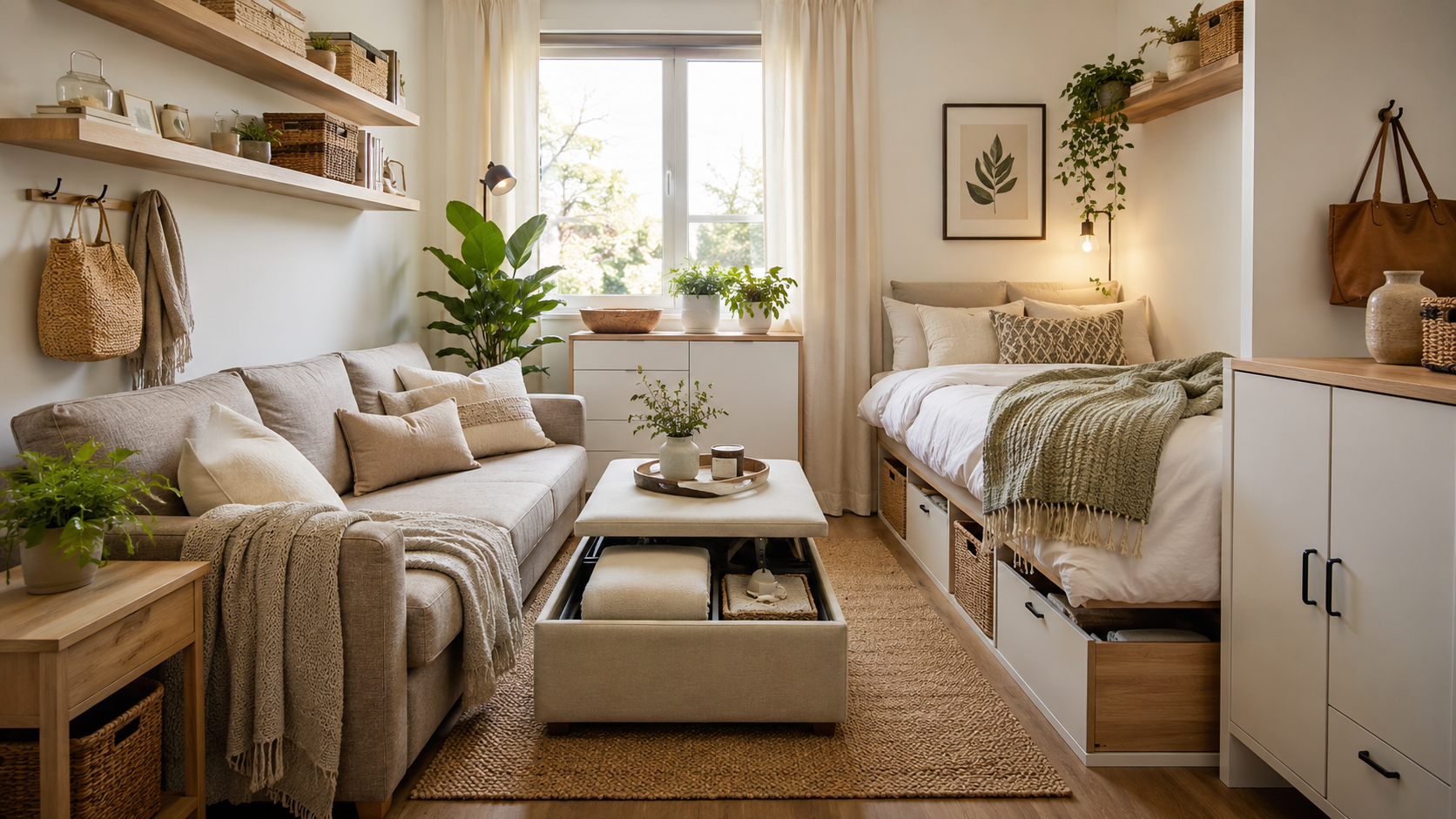
Practically, baskets are affordable and useful for creating a cozy and organized home. They add texture while also helping control clutter.
For example, baskets can store blankets in the living room, towels in the bathroom, toys in children’s areas, magazines near the sofa, or garden tools on a balcony.
Additionally, woven baskets can add a natural and warm feeling to the decoration. They work well with many styles, from simple to rustic to modern.
Most importantly, baskets should have a clear purpose. Avoid turning them into random storage for objects that should be sorted.
Even a small bathroom can feel cozy with simple details. Since bathrooms are used every day, keeping them fresh and organized makes the home more pleasant.
First, clear the sink area. Store extra products in cabinets or baskets and leave only daily essentials visible.
Next, use clean towels, a small plant, a simple soap dispenser, or a soft bath mat to improve comfort. These small details can make the bathroom feel more cared for.
Additionally, improve ventilation. A fresh and dry bathroom feels much more pleasant than a humid and crowded one.
Usually, the entrance creates the first impression of the home. A cozy entrance makes the house feel welcoming from the moment someone arrives.
To improve it, keep the area clean and organized. Use a key holder, shoe rack, basket, mirror, or small plant if space allows.
Moreover, avoid letting the entrance become a place for random clutter. Bags, shoes, mail, and umbrellas should have defined places.
Finally, a simple rug or warm lighting can make the entrance feel more inviting without requiring much money.
Since this is a home and garden topic, outdoor areas can also contribute to coziness. A balcony, porch, patio, or garden corner can become a relaxing extension of the home.
First, clean the area and remove broken pots, dry leaves, unused objects, and unnecessary clutter. Cleanliness already makes the space more pleasant.
Next, add simple comfort elements, such as a chair, cushion, small table, lantern, or potted plants. Even a small balcony can become cozy with the right arrangement.
Additionally, use plants to create a natural atmosphere. Herbs, flowers, foliage, and small ornamental plants can bring beauty and freshness to outdoor spaces.
Importantly, coziness does not mean filling every corner. Too many decorations can make a home feel crowded and harder to clean.
Instead, choose fewer items with more meaning and function. A soft blanket, a plant, a lamp, and a few personal objects may be enough to transform a room.
Moreover, leave empty space on shelves, tables, and walls. Empty space allows the home to feel calm and balanced.
Ultimately, a cozy home should feel comfortable, not overloaded.
Finally, maintaining coziness requires small daily habits. A home can lose its cozy feeling quickly when clutter, dust, and laundry accumulate.
For example, make the bed, open windows, wash dishes, clear surfaces, return items to their places, and organize the main living area before the end of the day.
Additionally, spend a few minutes each week refreshing the home. Water plants, wash fabrics, clean mirrors, dust shelves, and adjust decorations.
Over time, these habits keep the home comfortable and pleasant without requiring major effort.
In conclusion, creating a more cozy home with few resources is completely possible. Coziness does not depend on expensive furniture or large renovations. It comes from comfort, organization, lighting, textures, meaningful details, clean spaces, and thoughtful choices.
Overall, the best ways to make your home cozier are to organize each room, use what you already have, improve lighting, add soft fabrics, decorate with plants, keep surfaces clear, and create pleasant scents.
Finally, remember that a cozy home is not about perfection. It is about creating a space where you feel comfortable, calm, and welcome. With simple actions and consistent care, any home can become warmer, more beautiful, and more enjoyable to live in.