Home Maintenance Tips to Prevent Common Household Problems

Firstly, making better use of small spaces at home is not only about fitting more things into a limited area. It is about creating a home that feels comfortable, organized, functional, and pleasant, even when space is limited. A small home, apartment, room, balcony, kitchen, or bathroom can work very well when every area is planned with intention.
Moreover, small spaces often become difficult to manage when objects do not have a proper place. Furniture may block movement, cabinets may become overcrowded, and daily items may spread across tables, chairs, and floors. However, with simple strategies, it is possible to use each corner more intelligently.
Therefore, this guide will show you practical tips to make better use of small spaces at home. You will learn how to organize rooms, choose furniture, improve storage, use walls, reduce clutter, and create a home that feels larger and easier to maintain.
Before anything else, observe how each area of your home is used in daily life. A small space becomes more efficient when its function is clear. Without a defined purpose, rooms can quickly become crowded with items that do not belong there.
For example, a small living room may also serve as a work area, reading corner, or guest space. A bedroom may need to include storage, rest, and personal organization. A balcony may be used for plants, relaxation, or a small breakfast area.
Therefore, decide what each space needs to support. Once you understand the function of the area, it becomes easier to choose what should stay, what should be removed, and what kind of storage is necessary.
Importantly, the first step to using small spaces better is reducing excess. When a home has too many objects, even the best storage solutions may not be enough. Small spaces need breathing room.
To begin, review your belongings by category. Look at clothes, kitchen items, papers, cleaning products, decorations, tools, books, and personal objects. Ask yourself whether each item is useful, in good condition, and used regularly.
Additionally, avoid keeping items only because you might need them someday. It is reasonable to keep important tools, documents, and seasonal objects, but keeping too many unused things can make your home harder to organize.
Ultimately, decluttering creates space without requiring money. It also makes cleaning easier and helps you see the real potential of your home.
Certainly, furniture has a major impact on how small spaces feel. Large, heavy, or poorly positioned furniture can make a room feel crowded and uncomfortable.
First, measure the room before buying furniture. Consider not only the size of the furniture but also the space needed to walk around it. Doors, drawers, cabinets, and windows should open easily.
Next, choose pieces with balanced proportions. A compact sofa, narrow dining table, slim desk, or small sideboard can make a room more functional without overwhelming it.
Furthermore, furniture with raised legs can create a lighter appearance because more floor remains visible. This simple visual effect can make the room feel more open.
Naturally, multifunctional furniture is one of the best solutions for small homes. When one item serves more than one purpose, you reduce the need for extra furniture.
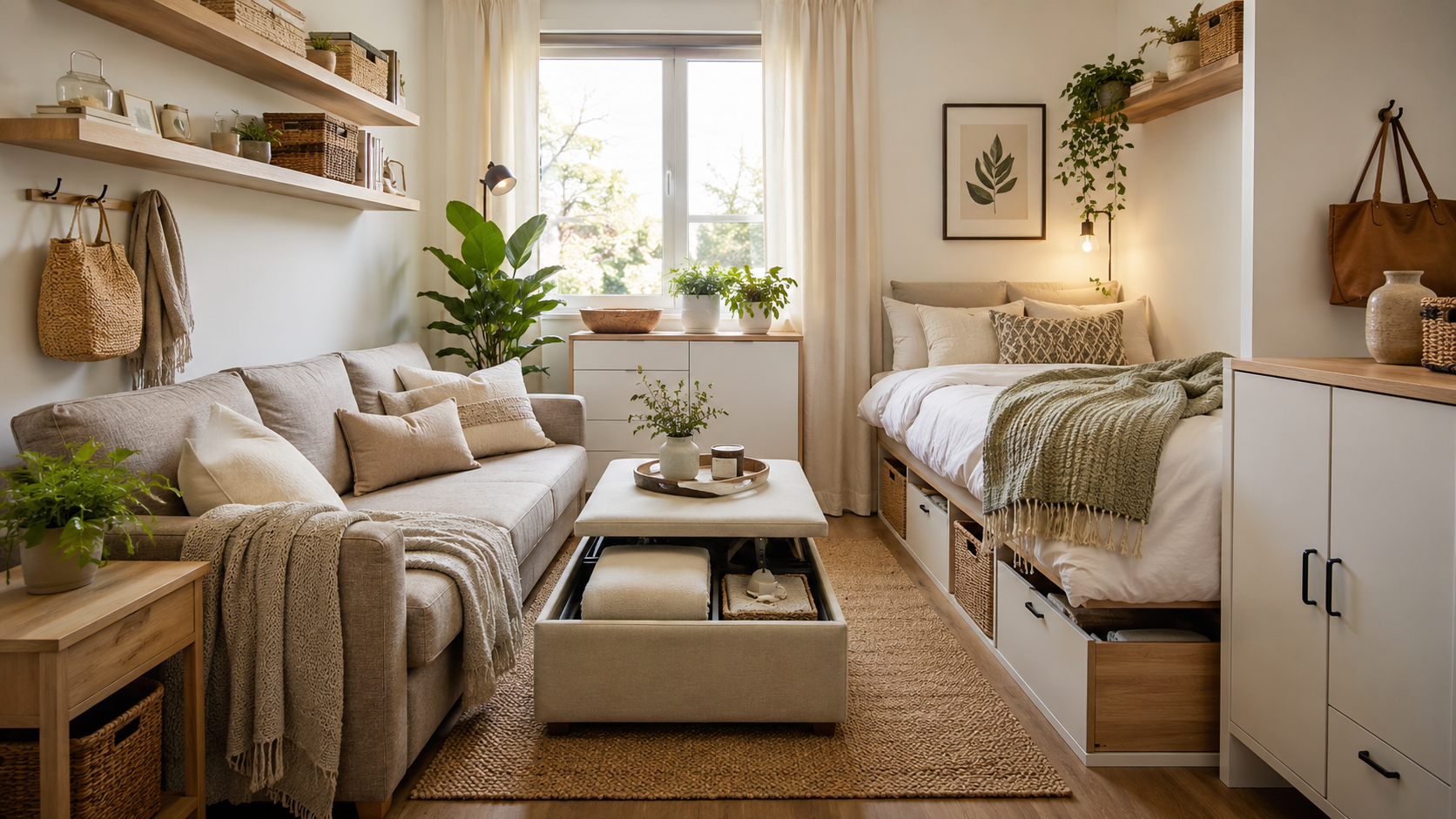
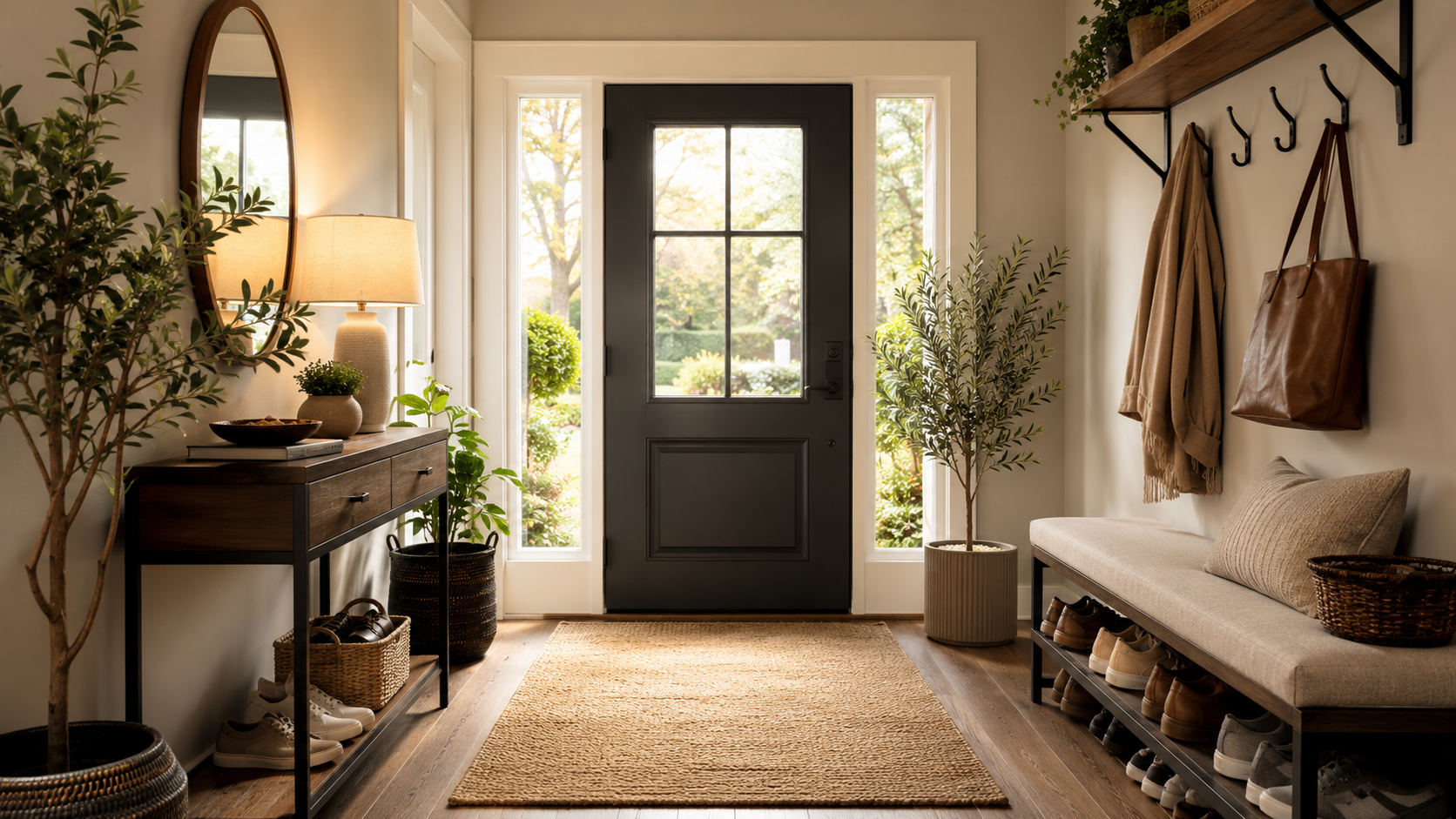
For instance, a storage bench can provide seating and hidden space for shoes, blankets, or household items. A sofa bed can serve as daily seating and occasional guest sleeping space. A folding table can be used for meals, work, or hobbies.
Additionally, beds with drawers, nesting tables, extendable dining tables, and ottomans with storage are practical options. These pieces help you use the home more efficiently without making it feel crowded.
Overall, multifunctional furniture supports flexibility, which is essential in small spaces.
Clearly, walls are valuable in small homes. When floor space is limited, vertical storage can help keep objects organized without taking up too much room.
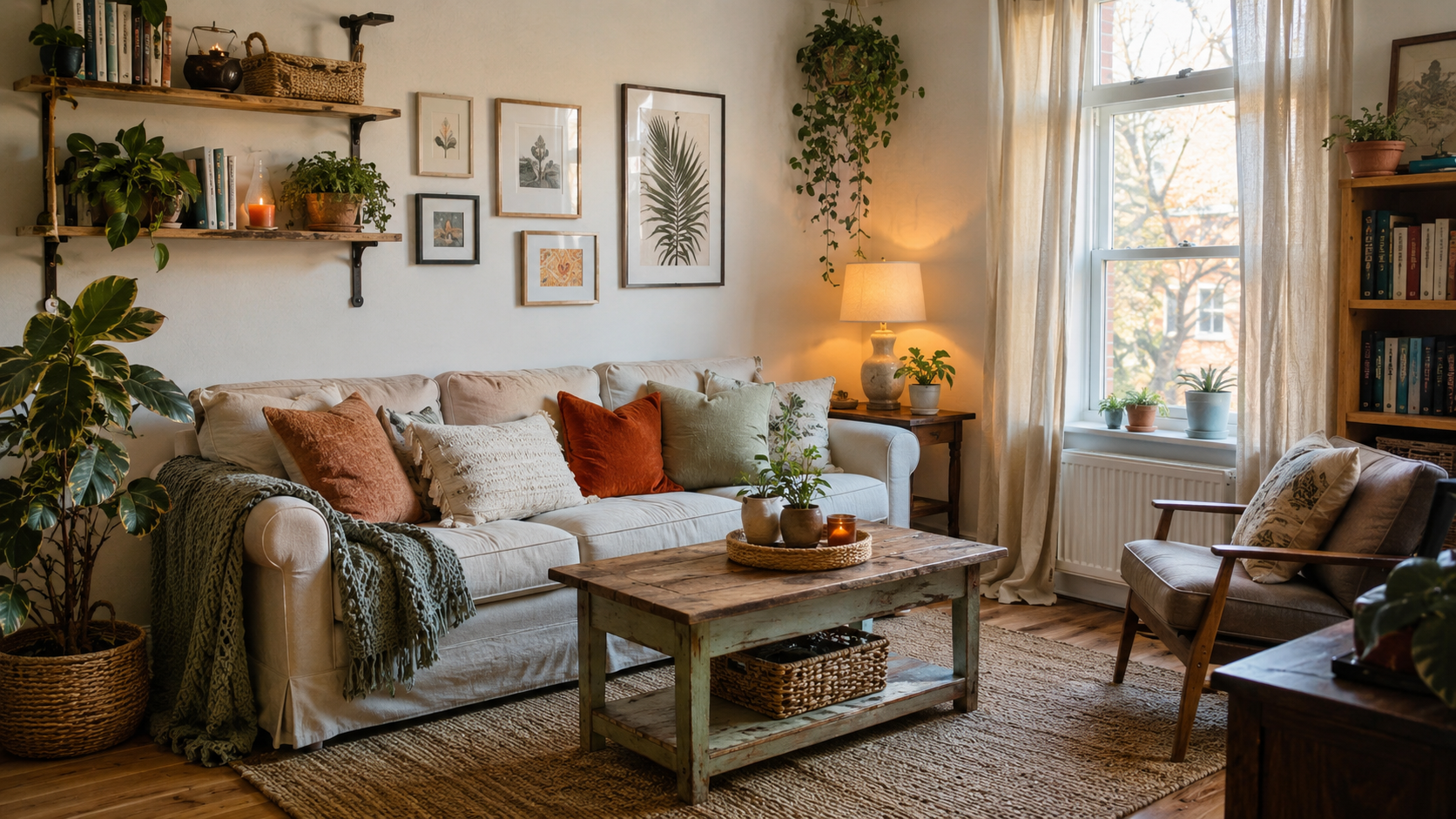
For example, wall shelves can hold books, plants, baskets, kitchen items, bathroom products, or decorative objects. Hooks can organize bags, coats, towels, keys, hats, and light tools.
Moreover, tall cabinets can store more items while using less floor area. In kitchens, bathrooms, laundry rooms, and bedrooms, vertical storage can make a big difference.
However, use walls with balance. Too many shelves or objects can make the room feel busy. The goal is to create useful storage without making the space visually heavy.
Another important tip is to keep surfaces as clear as possible. Tables, countertops, desks, shelves, and bedside tables can quickly collect random items.
To prevent this, give every object a specific place. Keys can stay in a small tray near the entrance. Remote controls can stay in a basket or drawer. Kitchen utensils can stay in cabinets or containers. Papers can be filed or recycled.
Additionally, clear surfaces make small spaces look larger and cleaner. Even if the room is simple, a clean table or countertop creates a sense of order.
Therefore, make it a habit to clear surfaces at the end of each day. This small action helps the whole home feel more organized.
Certainly, hidden storage is very useful for small spaces because it keeps necessary items out of sight. When too many things are visible, the home may feel cluttered even if everything is technically organized.
For example, use storage boxes under the bed, baskets inside cabinets, drawers under benches, or closed furniture in the living room. These options help store items without creating visual clutter.
Also, choose decorative storage when items need to stay visible. Baskets, fabric boxes, wooden crates, and simple containers can be both beautiful and practical.
Most importantly, hidden storage should still be organized. If boxes become places for random objects, they will eventually create more confusion.
Sometimes, small homes need different functions in the same room. A living room may also be an office. A bedroom may include a study corner. A balcony may be used for gardening and relaxation.
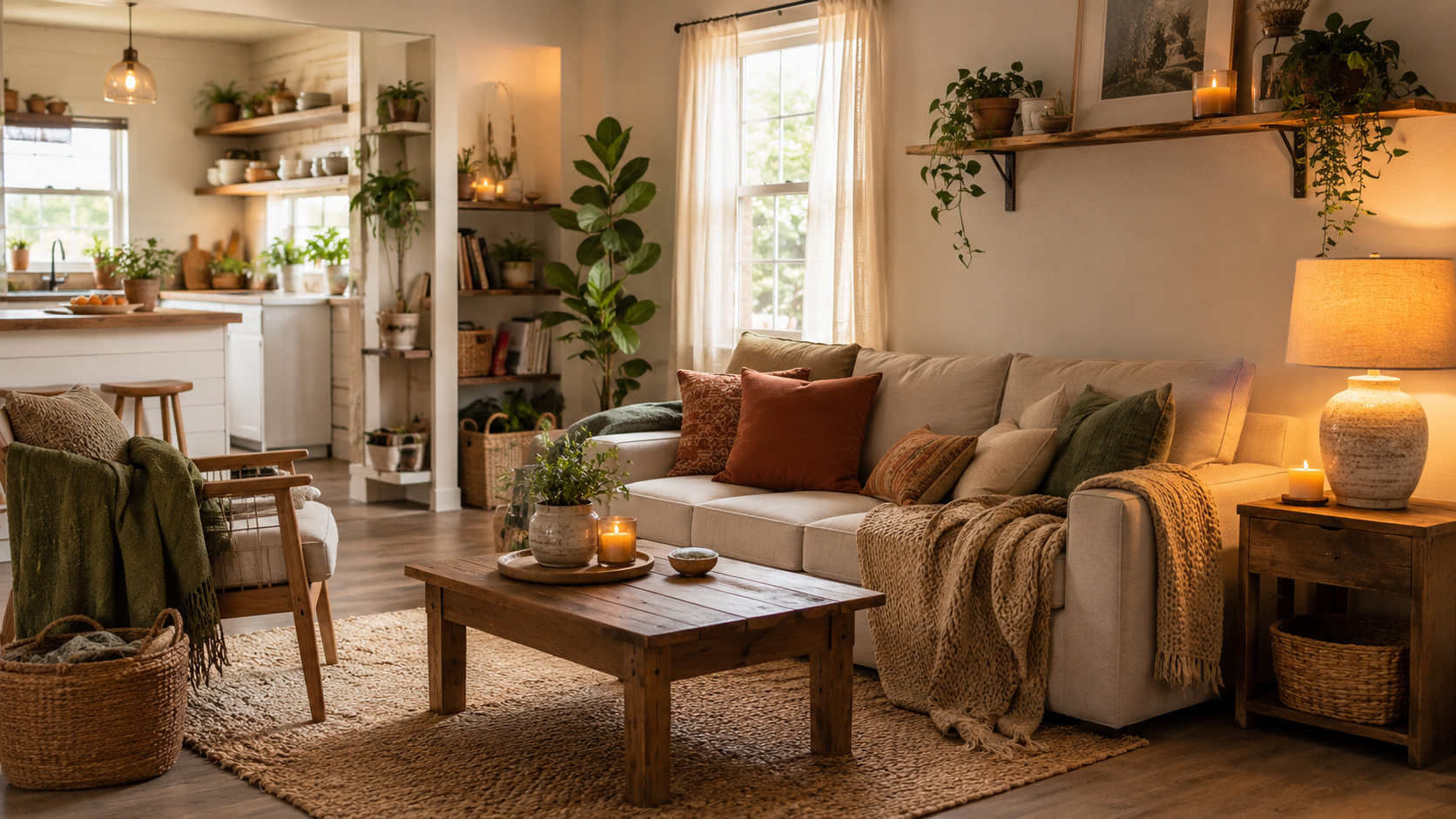
In these cases, divide spaces visually without making them feel closed. Rugs, shelves, curtains, lighting, plants, or furniture placement can help define areas.
For instance, a rug can separate the living area from the dining area. A small shelf can divide a workspace from a bedroom. A plant stand can create a soft separation between a balcony garden and a seating area.
Nevertheless, avoid heavy dividers that block light or movement. In small spaces, open visual flow helps the home feel larger.
Importantly, lighting can make a small home feel more spacious and comfortable. Dark areas often appear smaller, while bright rooms feel more open.
Firstly, use natural light whenever possible. Keep windows clean, use light curtains, and avoid placing large furniture in front of windows. Sunlight can make the entire room feel fresher.
Secondly, add artificial lighting in layers. A ceiling light may not be enough. Table lamps, floor lamps, wall lights, and under-shelf lighting can make the room more functional and cozy.
Additionally, use lighting to define areas. A lamp near a chair can create a reading corner. A pendant light above a small table can create a dining area. Soft lighting near the bed can create a relaxing atmosphere.
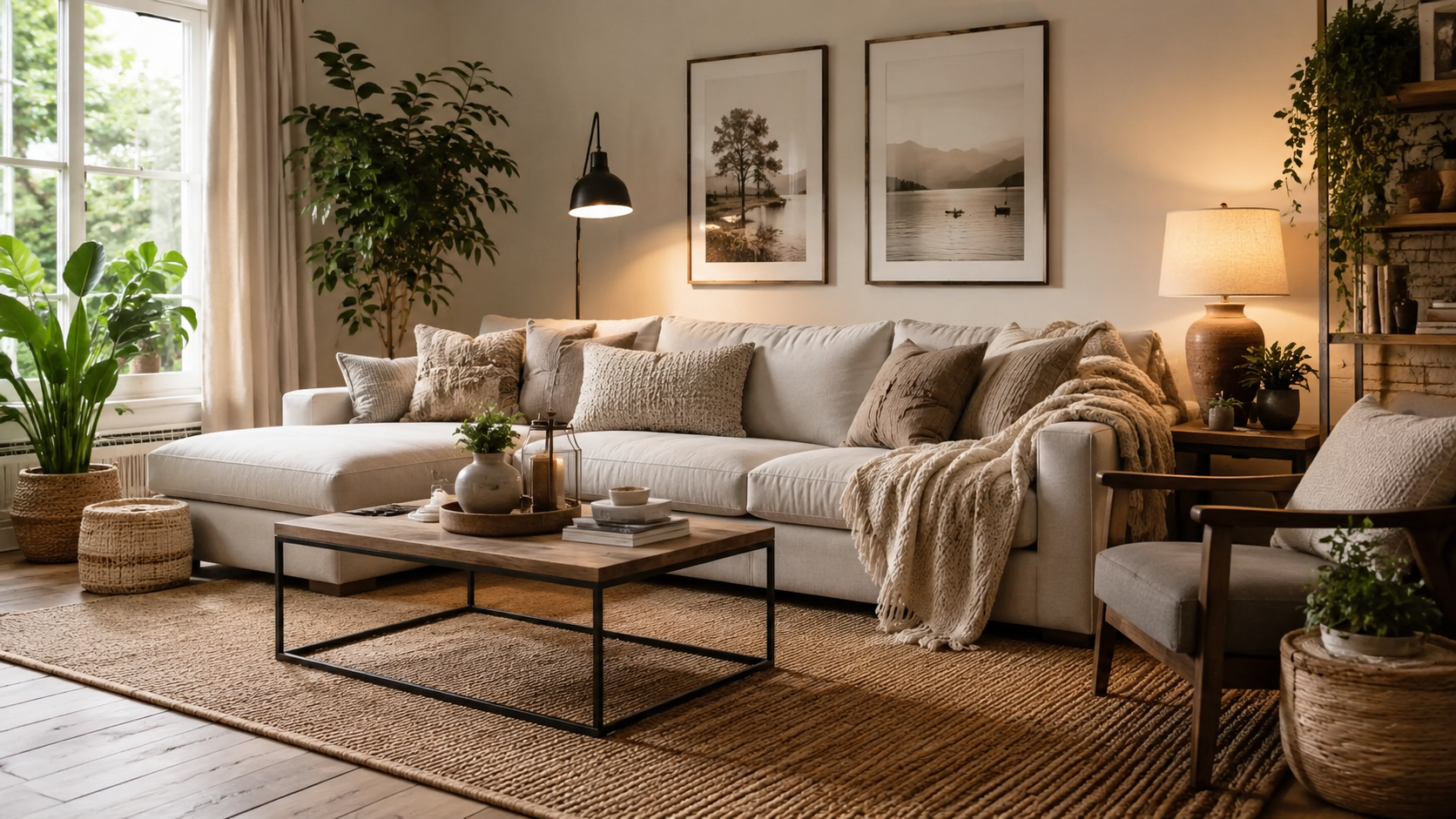
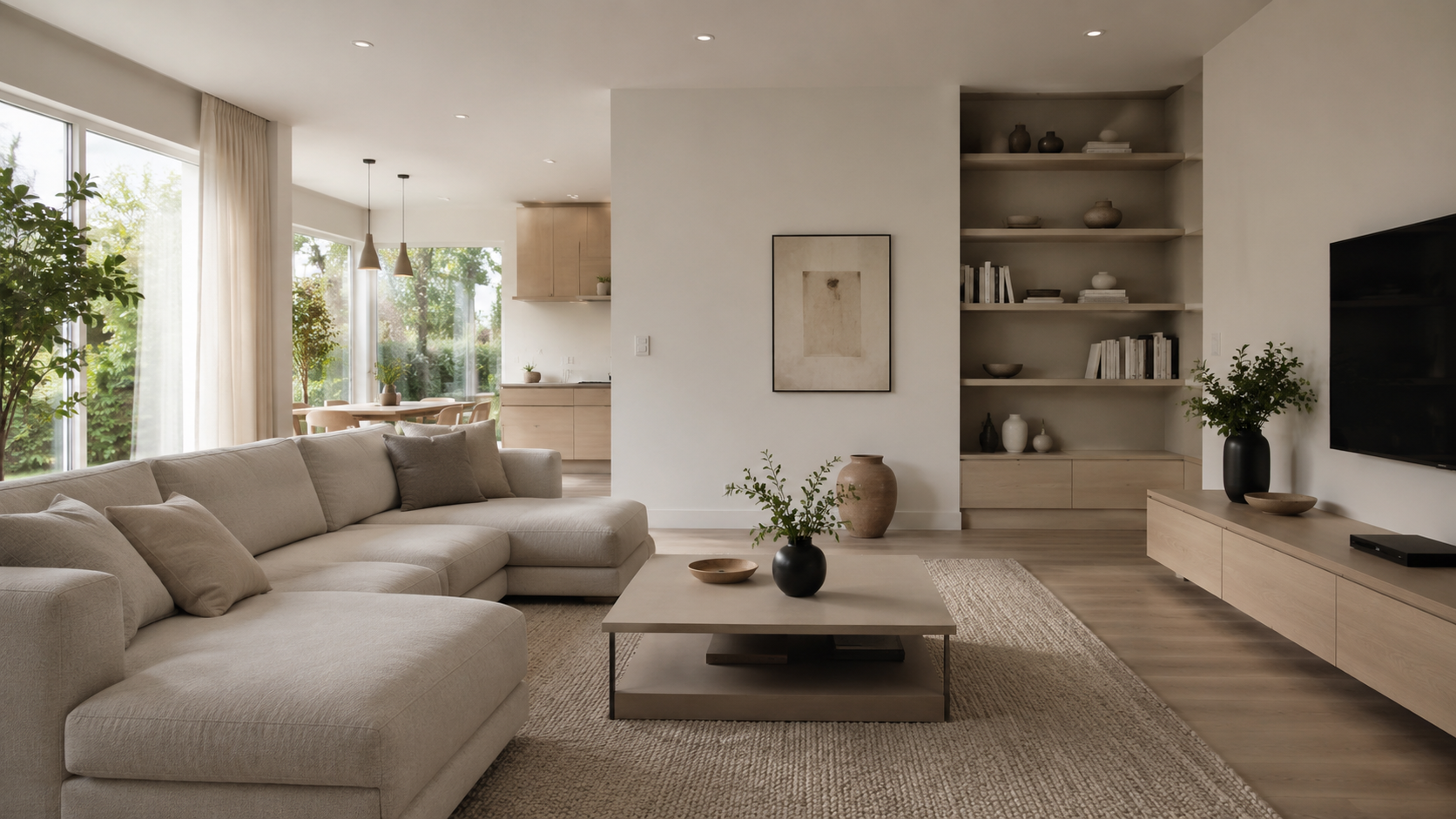
Generally, light colors help small spaces feel larger. White, cream, beige, soft gray, pale green, and light blue can reflect light and create a peaceful feeling.
However, small spaces do not have to be boring. You can add color through cushions, rugs, artwork, curtains, plants, or small decorative items. The key is to avoid too many competing colors.
For example, a neutral room with green plants and warm wood details can feel natural and balanced. A light-colored bedroom with soft blue accents can feel calm and fresh.
Moreover, using similar colors throughout the home can create continuity. This makes small spaces feel connected instead of divided.
Interestingly, mirrors can help small spaces appear larger by reflecting light and creating depth. They are especially useful in narrow hallways, small living rooms, compact bedrooms, and bathrooms.
For best results, place a mirror across from a window or near a light source. This helps spread brightness around the room.
Additionally, mirrors can be decorative. A simple mirror above a console table, a round mirror in the bathroom, or a tall mirror in the bedroom can improve both function and style.
However, avoid placing mirrors where they reflect clutter. A mirror should reflect light, beauty, or open space, not a messy corner.
Clearly, small kitchens need careful organization because space is limited and daily use is frequent. A crowded kitchen can make cooking stressful and cleaning harder.
First, keep countertops as open as possible. Store appliances that are not used daily. Leave only essential items visible, such as a coffee maker, fruit bowl, or basic utensil holder.
Next, use cabinet organizers, drawer dividers, hooks, and stackable containers. These tools help make better use of cabinets and drawers.
Additionally, organize items by function. Keep pans near the stove, dishes near the serving area, and food storage near the pantry. This makes cooking more practical.
Finally, review the kitchen regularly. Remove broken utensils, repeated items, expired food, and containers without lids.
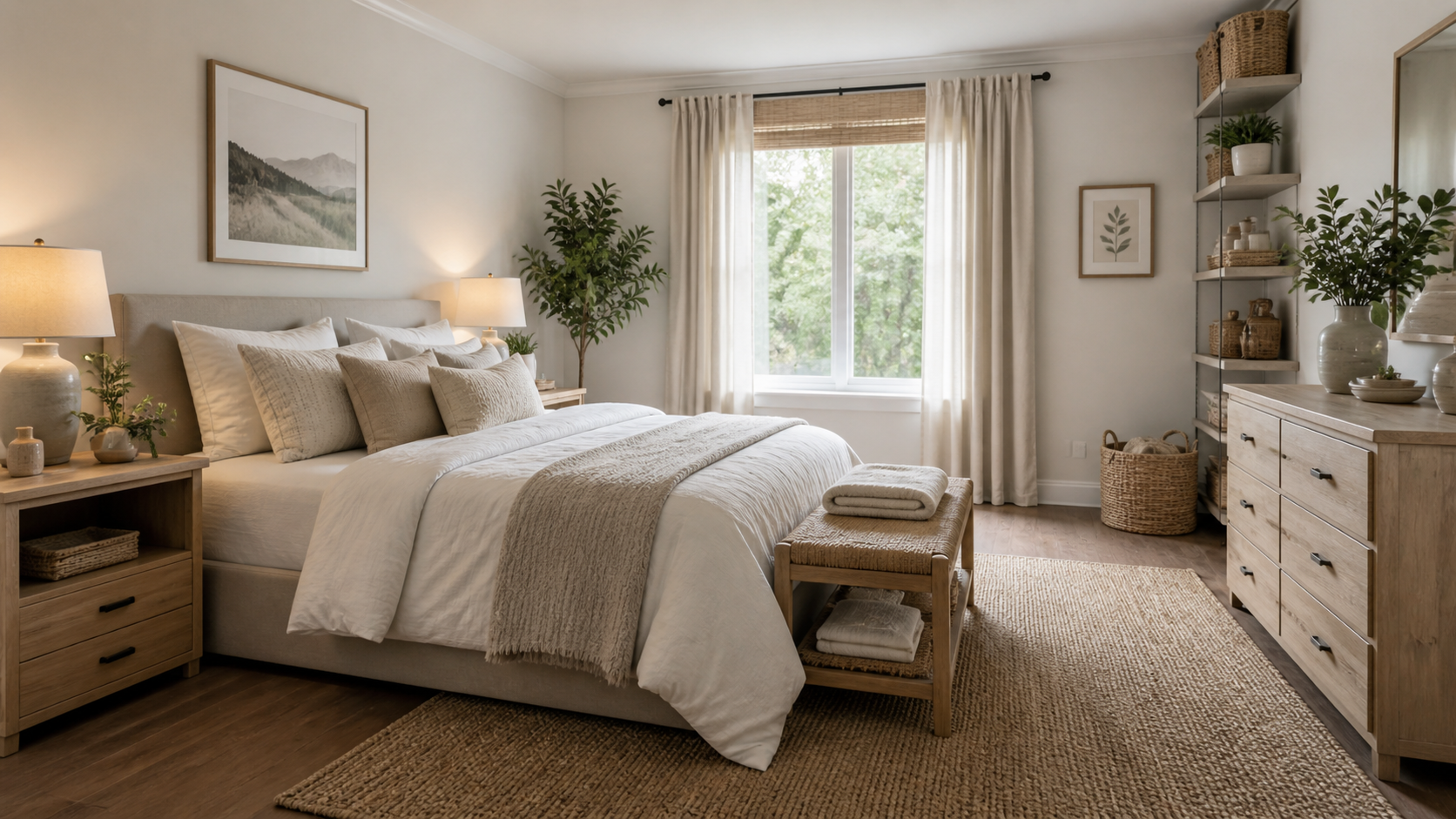
Naturally, a small bedroom should be peaceful and easy to use. Since the bed often takes up most of the space, the rest of the room needs to be planned carefully.
Firstly, use under-bed storage for items such as seasonal clothes, extra bedding, shoes, or luggage. This helps use space that is often wasted.
Secondly, choose bedside solutions that match the room size. A narrow table, wall-mounted shelf, or small stool can replace a large nightstand.
Moreover, keep decorations simple. A clean bed, soft lighting, a small plant, and a few personal items can make the bedroom cozy without overcrowding it.
Also, avoid using the bedroom as a storage area for unrelated objects. This keeps the room calmer and more relaxing.
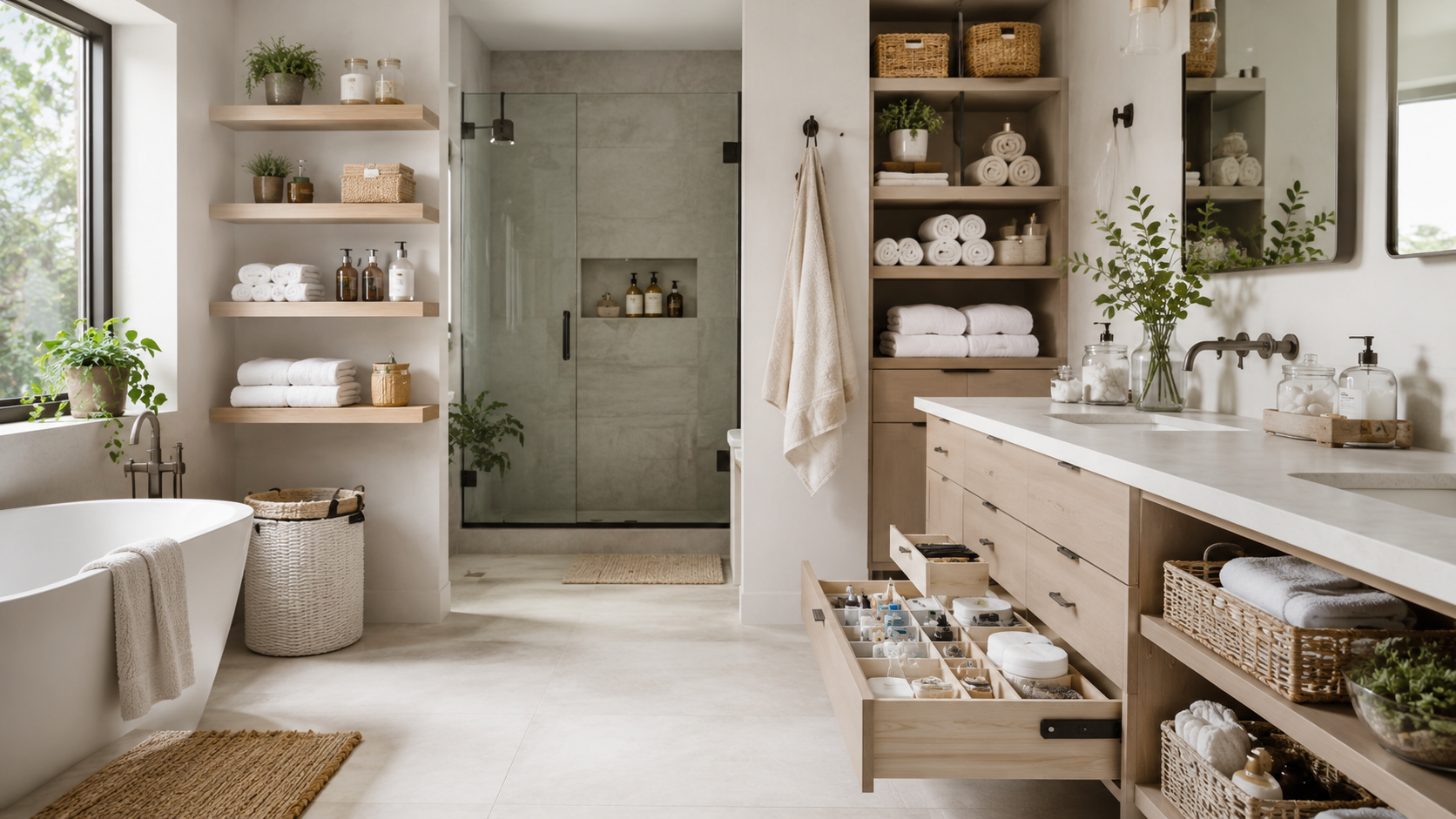
Usually, bathrooms are among the smallest spaces in a home, so smart organization is essential. Personal care products, towels, cleaning items, and hygiene products can quickly create clutter.
First, keep the sink area clear. Store daily products in a small tray or organizer and move extra items to cabinets or baskets.
Next, use wall shelves, hooks, over-the-door storage, or narrow cabinets. These options help store items without taking too much floor space.
Additionally, choose light colors, clean towels, and simple accessories. A small bathroom can look more pleasant when it is visually calm and organized.
Furthermore, maintain good ventilation to avoid humidity and keep the space fresher.
Since this is a home and garden topic, outdoor corners should not be ignored. A small balcony, porch, or backyard corner can become a useful and pleasant extension of the home.
First, decide the purpose of the space. It can be a small garden, a reading corner, a breakfast area, or a place to relax.
Then, choose compact outdoor furniture, such as a folding chair, small table, bench, or wall-mounted shelf. These pieces can provide function without taking up too much room.
Additionally, use vertical gardening. Hanging pots, wall planters, shelves, and plant stands can create a green area even in limited space.
Finally, keep the area clean and organized. Remove dry leaves, unused pots, broken items, and unnecessary objects regularly.
Often, corners are underused in small homes. However, they can become practical storage or decoration areas when planned well.
For example, a corner shelf can hold books, plants, or baskets. A corner desk can create a small workspace. A reading chair with a lamp can turn an empty corner into a cozy area.
Moreover, corners can be used for tall plants, small cabinets, laundry baskets, or decorative stands. The best option depends on the room’s function.
However, avoid filling every corner. Some empty space is important to keep the home feeling open and comfortable.
Ultimately, small spaces require consistent maintenance. Because there is less room, clutter appears quickly. A few objects out of place can make the entire room feel messy.
Therefore, create a short daily reset. Spend a few minutes returning items to their places, clearing tables, organizing the kitchen, and checking the floor.
Additionally, follow the one-minute rule. If a task takes less than one minute, do it immediately. Hang a coat, put away a cup, close a drawer, or return a book to the shelf.
Over time, these small habits keep your home functional and prevent clutter from becoming overwhelming.
Unfortunately, some habits make small spaces harder to use. One common mistake is buying furniture before measuring. This can result in pieces that are too large or impractical.
Another mistake is using too many decorative objects. Even beautiful items can create visual clutter when there are too many of them.
Additionally, ignoring storage can cause daily mess. Every small home needs practical places for essential items.
Finally, avoid blocking light and movement. A small home feels better when people can move comfortably and when light can flow through the rooms.
In conclusion, making better use of small spaces at home is possible with planning, organization, and smart choices. A small home does not need to feel crowded or uncomfortable. With the right strategies, it can become practical, beautiful, and pleasant.
Overall, the most important steps are to reduce excess, choose furniture carefully, use vertical space, create hidden storage, improve lighting, and keep surfaces clear. These simple actions can make a major difference in how your home looks and functions.
Finally, remember that small spaces can be full of comfort and personality. When each item has a purpose and each area is used wisely, your home becomes easier to maintain and more enjoyable to live in.