Home Maintenance Tips to Prevent Common Household Problems

Firstly, the accumulation of objects at home is a common problem that can happen slowly and almost without notice. One day, a drawer is full of old papers. Another day, the kitchen cabinets are crowded with containers. Later, clothes, tools, decorations, bags, and unused items begin to take over different areas of the house. Over time, the home can feel smaller, heavier, and harder to maintain.
Moreover, clutter does not always appear because people are careless. In many cases, objects accumulate because there is no clear system for deciding what should enter the home, where items should stay, and when unnecessary things should leave. Without simple habits, even a clean house can quickly become disorganized.
Therefore, this guide will show you how to avoid the accumulation of objects at home. You will learn how to declutter with intention, control new purchases, organize storage areas, create routines, and keep your home more practical, comfortable, and pleasant.
To begin with, it is important to understand why clutter happens. Objects usually accumulate when they enter the home faster than they leave. This can include clothes, kitchen items, papers, toys, decorations, cleaning products, tools, garden supplies, and personal belongings.
Additionally, many people keep items because they believe they may need them someday. While it is reasonable to keep useful and important things, saving too many unused objects can make the home crowded and difficult to manage.
Furthermore, emotional attachment can also contribute to accumulation. Gifts, old memories, souvenirs, and inherited items may feel difficult to remove, even when they are no longer useful. The goal is not to eliminate everything meaningful, but to choose intentionally what deserves space in your home.
Before anything else, avoid trying to declutter the entire house in one day. This can be overwhelming and may cause frustration. A better approach is to create a simple plan and work one area at a time.
For example, you can start with one drawer, one shelf, one cabinet, one closet section, or one small room. Completing a small area gives you motivation and helps you see progress quickly.
Then, write down the main areas where objects accumulate. Common places include kitchen counters, wardrobes, bathroom cabinets, laundry areas, entrance tables, storage rooms, garages, and garden corners.
Overall, a clear plan makes decluttering more manageable and helps prevent the same clutter from returning.
Importantly, decluttering becomes easier when you use clear categories. Instead of deciding randomly, separate items into groups such as keep, donate, recycle, repair, relocate, or discard.
Firstly, the “keep” category should include items that are useful, in good condition, and used regularly. These objects deserve a proper place in the home.
Secondly, the “donate” category is for items that are still in good condition but no longer serve your routine. Clothes, books, kitchenware, decorations, and small household items can often be donated if they are clean and usable.
Additionally, the “relocate” category is for things that belong in the house but are in the wrong room. For instance, garden gloves in the kitchen or bathroom products in the bedroom should return to the correct area.
Certainly, one of the simplest ways to avoid accumulation is to follow the one-in, one-out rule. This means that whenever you bring something new into the home, you remove one similar item.
For example, if you buy a new shirt, consider donating an old one. If you buy a new mug, remove one that is chipped or never used. If you buy new storage containers, review the old ones and keep only what is necessary.
Moreover, this habit helps maintain balance. It prevents the home from becoming fuller every time you shop or receive something new.
Additionally, the one-in, one-out rule encourages more conscious decisions. Before buying, you may ask yourself whether the new item is truly worth making space for.
Often, clutter begins with impulse purchases. Small items may seem harmless at the moment, but they can accumulate quickly. Decorations, kitchen tools, clothes, organizers, beauty products, and seasonal items often enter the home without a real plan.
To avoid this, pause before buying. Ask yourself whether the item has a clear purpose, whether you already own something similar, and where it will be stored.
Additionally, avoid buying items only because they are discounted. A low price does not make an unnecessary object useful. If it creates clutter, it may cost more in space and maintenance than it saves in money.
Ultimately, buying less and choosing better is one of the most effective ways to keep the home organized.
Clearly, objects accumulate when they do not have a proper place. If an item has no home, it usually ends up on tables, chairs, counters, floors, or random drawers.
Therefore, every item should have a defined location. Keys may stay on a tray near the entrance. Cleaning products may stay in the laundry area. Garden tools may stay in a storage box or outdoor cabinet. Documents may stay in labeled folders.
Furthermore, the location should be practical. Items used daily should be easy to reach. Items used occasionally can stay in less accessible storage. This makes it easier to return objects after using them.
Overall, a home stays organized when every item has a logical destination.
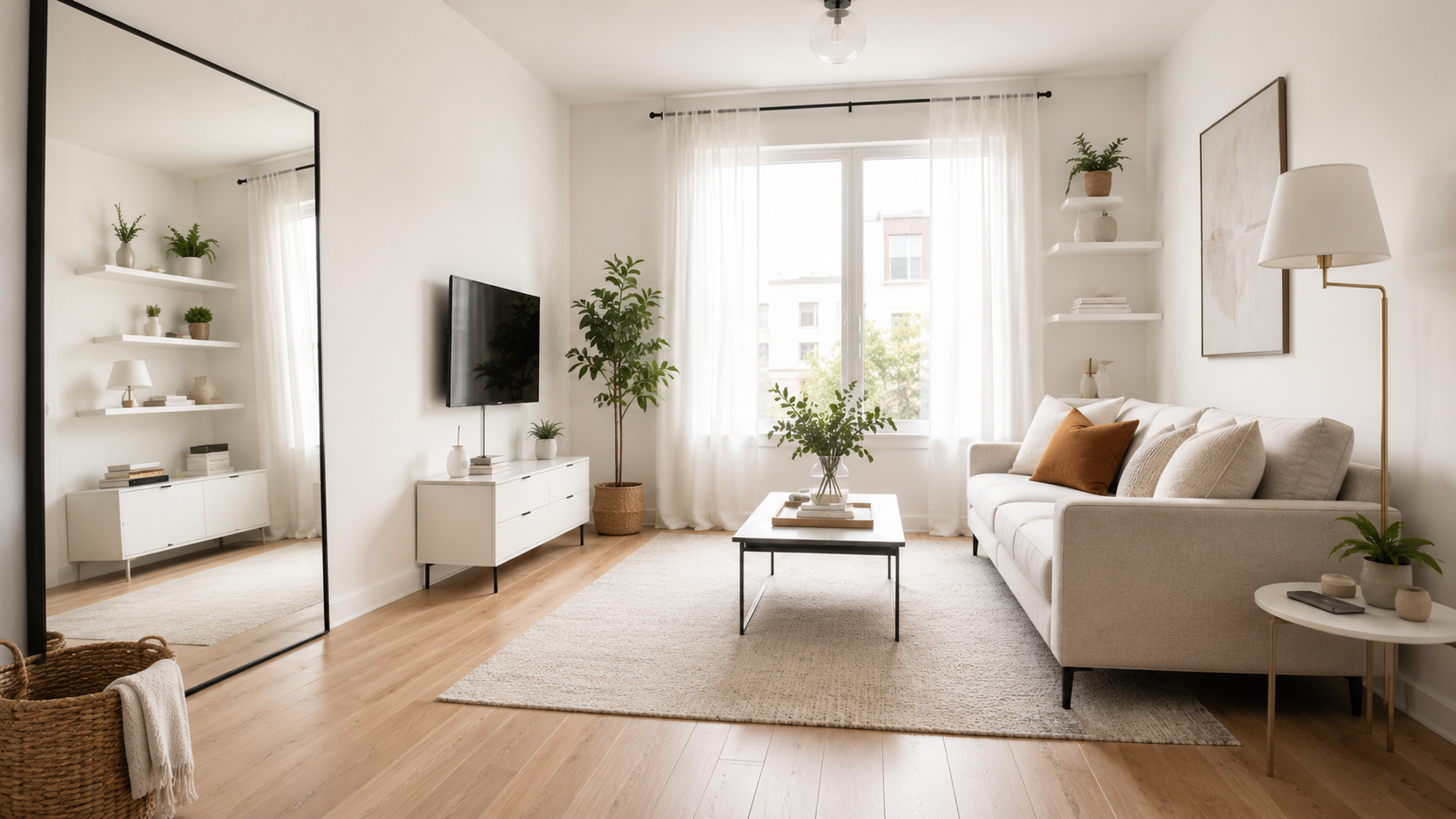
Another important habit is keeping surfaces clear. Tables, counters, shelves, desks, and cabinets often become temporary storage areas. Unfortunately, temporary clutter can quickly become permanent.
To prevent this, create a daily surface reset. At the end of the day, walk through the home and clear visible surfaces. Return objects to their places, recycle papers, wash dishes, and remove items that do not belong.
Moreover, clear surfaces make the home look cleaner and more spacious. Even if the house is simple, empty and organized surfaces create a feeling of order.
Additionally, avoid placing decorative objects on every surface. A few carefully chosen items can make the home beautiful without making cleaning harder.
Certainly, paper clutter is one of the most common forms of accumulation. Bills, receipts, school papers, manuals, notes, envelopes, magazines, and documents can quickly pile up.
First, create a paper station. This can be a small tray, folder, drawer, or file box. The goal is to prevent papers from spreading around the house.
Next, sort papers regularly. Recycle what is unnecessary, file important documents, and take action on papers that require attention. Avoid leaving papers in piles for weeks.
Additionally, reduce paper entering the home when possible. Digital statements, online manuals, and electronic reminders can help reduce the amount of physical paper you need to store.
Unfortunately, many people believe a home is organized if clutter is hidden inside cabinets, closets, or storage rooms. However, overcrowded storage areas can create frustration and make it difficult to find anything.
Instead, storage should be easy to use. You should be able to open a cabinet, see what is inside, remove an item, and return it without difficulty.
Furthermore, avoid filling every shelf completely. Empty space is useful because it allows movement and flexibility. A cabinet packed from front to back is usually a sign that too many items are being kept.
Therefore, review storage areas regularly and remove items that are no longer necessary.
Importantly, organizing by category helps prevent accumulation. When similar items are stored together, you can see how much you actually own.
For example, keep all cleaning products in one area, all garden tools in one section, all batteries and small tools together, all documents in one file, and all kitchen containers in one cabinet.
Moreover, this prevents duplicate purchases. If you cannot see what you have, you may buy more of the same item. Grouping items by category saves money and space.
Additionally, categories make it easier for everyone in the home to return items correctly.
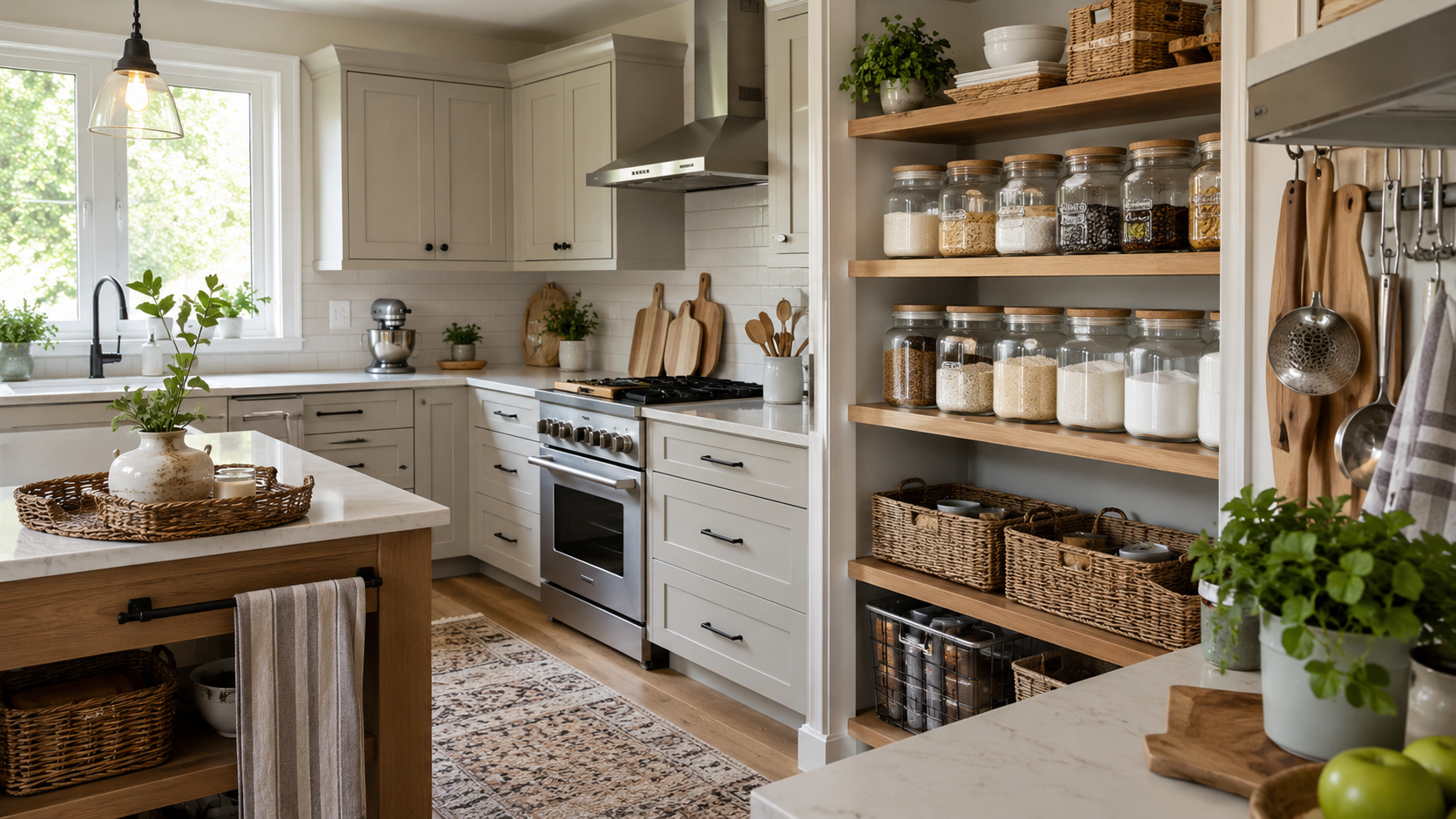
Naturally, the kitchen is one of the areas where objects accumulate most often. Extra mugs, plastic containers, old utensils, expired food, unused appliances, and repeated tools can take over cabinets and drawers.
To avoid this, review one kitchen area each week. Check a drawer, pantry shelf, cabinet, or refrigerator section. Remove expired food, broken utensils, and items that are no longer useful.
Additionally, be careful with storage containers. Keep only containers with matching lids and remove damaged or incomplete pieces.
Overall, a kitchen works better when it contains what you truly use.
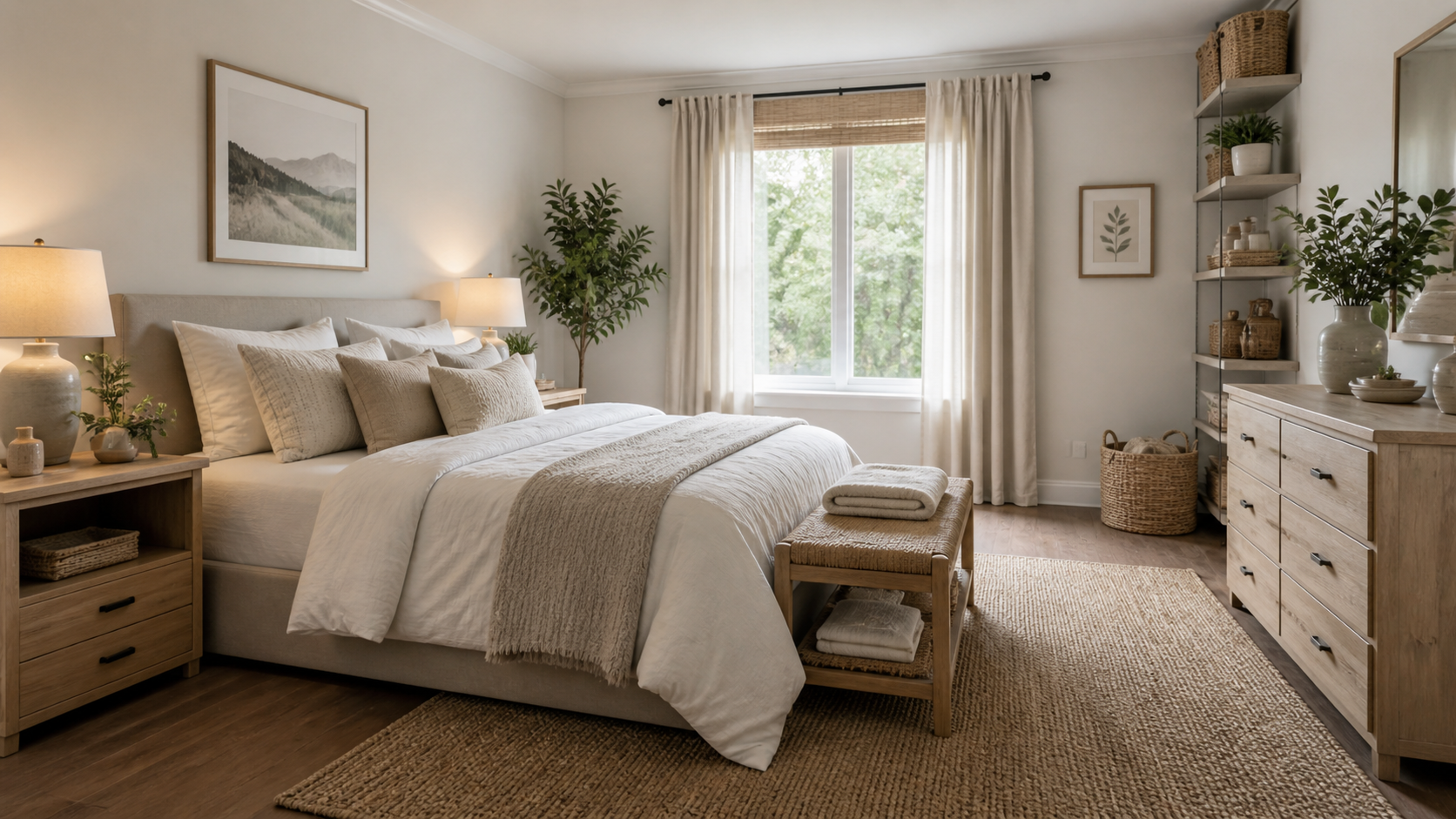
Similarly, wardrobes can accumulate clothes, shoes, bags, and accessories over time. Many items remain because of habit, guilt, or the idea that they might be useful someday.
First, review clothes by category. Look at shirts, pants, jackets, shoes, bags, and accessories separately. This makes the process easier.
Next, remove items that no longer fit, are uncomfortable, damaged, or never worn. Clothes in good condition can be donated or passed on.
Additionally, avoid using the wardrobe as storage for unrelated household objects. A wardrobe should make dressing easier, not become a hidden clutter zone.
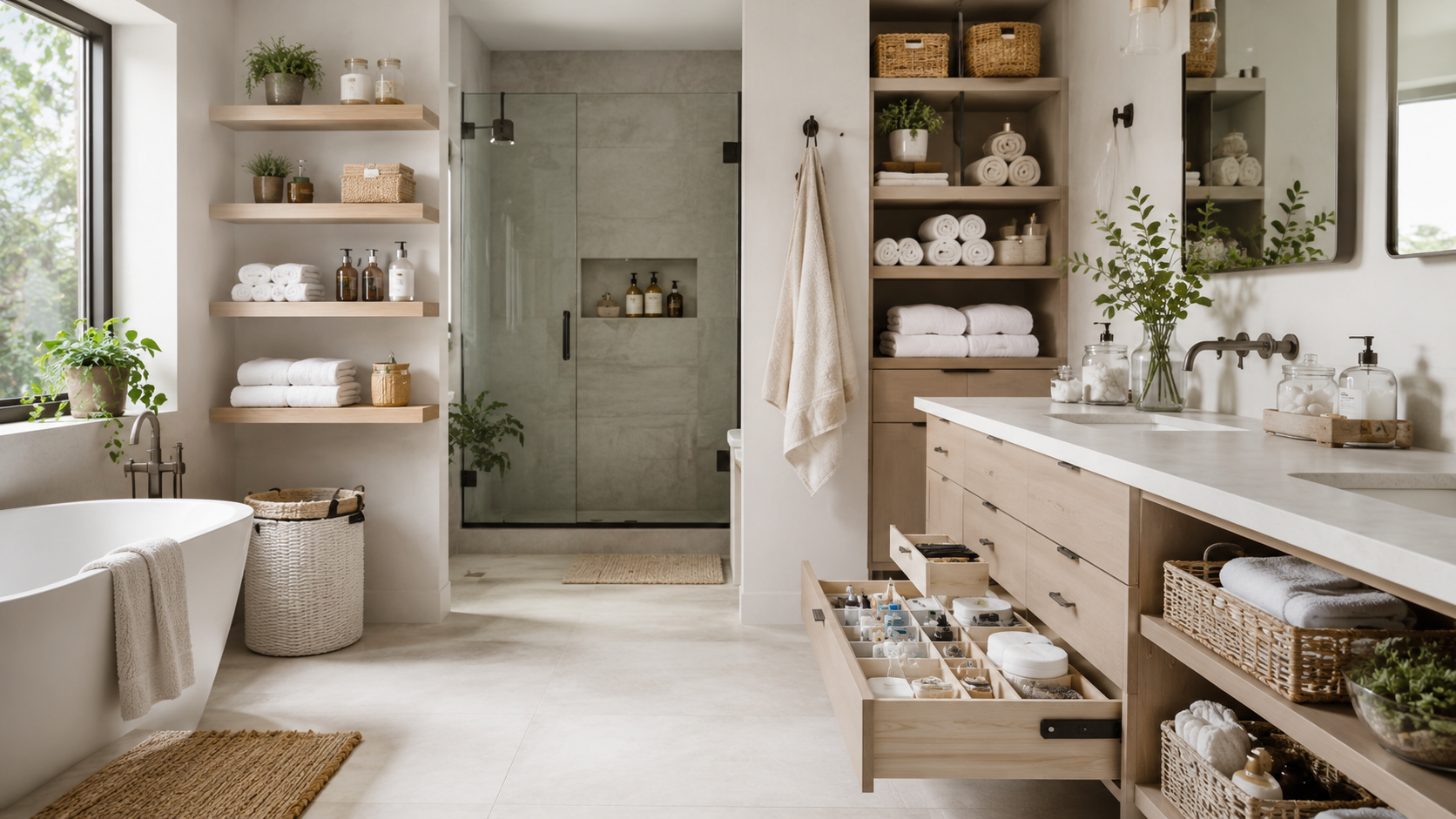
Usually, bathrooms are small, so accumulation becomes visible quickly. Personal care products, cosmetics, towels, cleaning supplies, and empty packages can crowd the sink, shower, and cabinets.
To prevent this, keep only daily products accessible. Extra products can stay in a cabinet or basket. Empty bottles should be removed immediately.
Moreover, check expiration dates on cosmetics, skincare products, and personal care items. Products that are old, empty, or no longer used should not take up space.
Additionally, avoid buying too many backup products unless you have a clear storage area and will use them within a reasonable time.
Clearly, cleaning products can accumulate in laundry areas, cabinets, and under sinks. Many people buy multiple products for similar purposes and forget what they already own.
First, gather all cleaning products in one place and group them by function. You may find duplicates or products that are rarely used.
Next, keep a basic cleaning kit with the items you actually need. Store products safely and avoid overcrowding shelves.
Furthermore, check what you have before shopping. This prevents unnecessary purchases and keeps your laundry area more organized.
Since this is a home and garden topic, outdoor items also need attention. Plant pots, soil bags, watering cans, gloves, seeds, tools, decorations, and garden supplies can accumulate quickly.
To manage them, create a specific garden storage area. Use shelves, boxes, hooks, or a small outdoor cabinet. Keep tools clean and group similar items together.
Additionally, remove broken pots, dry plant material, empty packages, and damaged tools. Outdoor clutter can make patios, balconies, and gardens look neglected.
Moreover, review garden supplies before buying new ones. You may already have pots, seeds, soil, or tools available.
A helpful habit is keeping a donation box in a closet, laundry area, or storage space. This makes it easier to remove items gradually instead of waiting for a major decluttering day.
For example, when you notice a shirt you no longer wear, a book you no longer need, or a decoration that does not match your home, place it in the donation box.
Once the box is full, donate the items as soon as possible. Avoid letting the donation box become another form of clutter.
Overall, this habit keeps unnecessary objects moving out of the home.
Ultimately, avoiding accumulation requires regular maintenance. You do not need to declutter every day, but you should review areas consistently.
For instance, you can declutter one small area each week. One drawer, one shelf, one cabinet, or one basket is enough. Small sessions are easier to complete and less stressful.
Additionally, seasonal reviews can help. At the beginning of a new season, review clothes, garden supplies, decorations, cleaning products, and storage areas.
Over time, regular decluttering prevents clutter from becoming a large problem.
Importantly, if more than one person lives in the home, everyone should understand the organization system. Otherwise, clutter may return quickly.
First, make storage simple and visible. Labels, baskets, shelves, and clear categories help everyone know where items belong.
Next, create easy rules. Shoes go in the shoe area, papers go in the paper station, dishes go to the kitchen, and tools return to their box.
Additionally, involve children when appropriate. Simple tasks, such as putting toys in baskets or placing clothes in the laundry bin, can help build good habits.
Surprisingly, buying organizers too early can make clutter worse. Boxes, baskets, and containers are useful, but they should come after decluttering.
First, remove what you do not need. Then, observe what remains and decide what type of storage is necessary.
Otherwise, you may end up organizing unnecessary objects or buying containers that do not fit your space.
Therefore, remember this order: declutter first, organize second, buy storage only if needed.
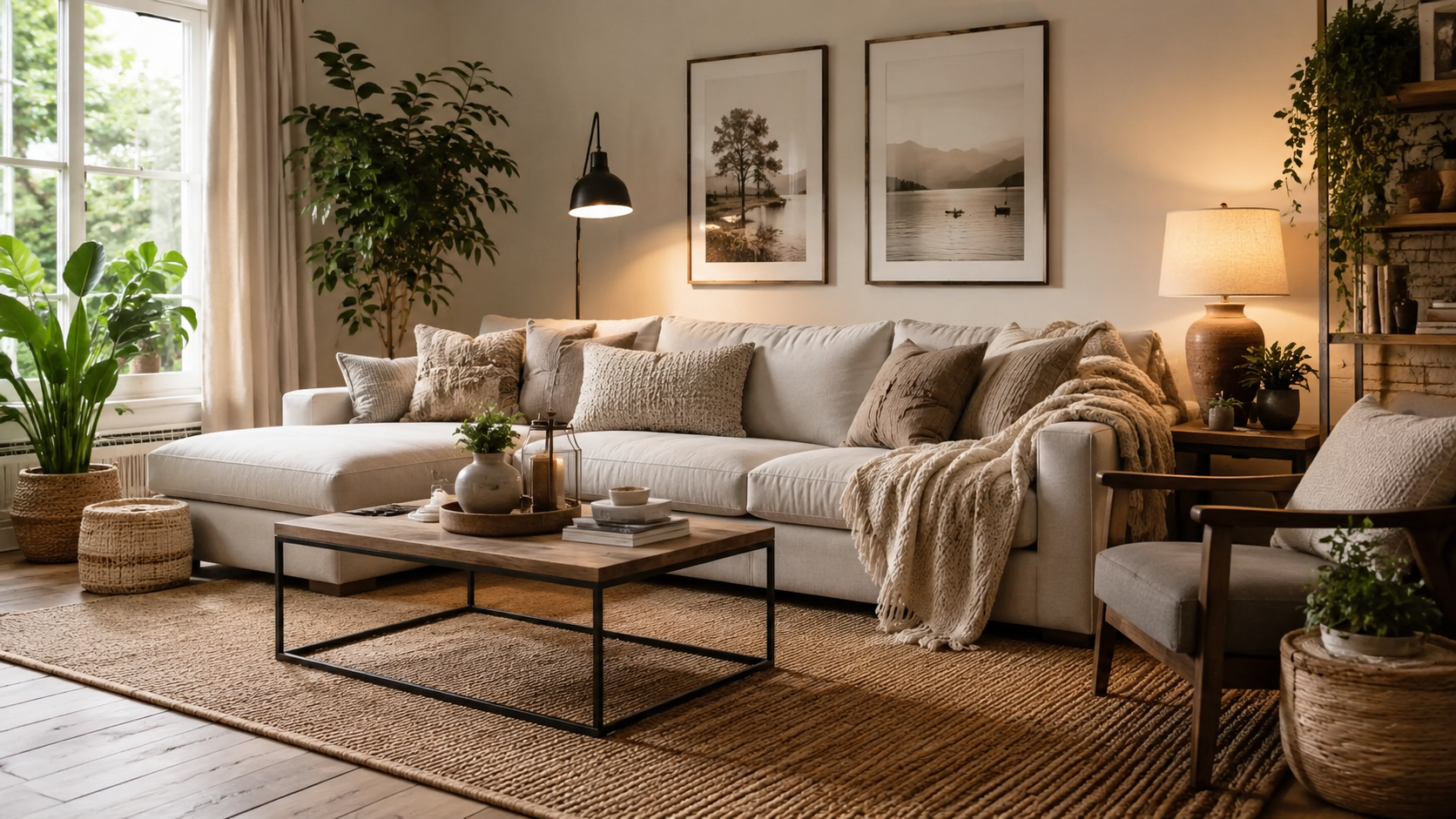
Finally, avoiding object accumulation is not about having an empty home. It is about creating a home that supports your routine and feels pleasant to live in.
A practical home contains items that are useful, beautiful, meaningful, or necessary. It does not need to be perfect, but it should be manageable.
Moreover, when the home has less excess, cleaning becomes easier, rooms feel larger, and daily life becomes calmer.
Ultimately, the goal is not to remove everything, but to make space for what truly matters.
In conclusion, avoiding the accumulation of objects at home is possible with simple habits and consistent decisions. Clutter grows when items enter the home without control, when objects have no proper place, and when storage areas are not reviewed regularly.
Overall, the best strategies are to declutter often, control impulse purchases, follow the one-in, one-out rule, organize by category, keep surfaces clear, and create simple systems for papers, clothes, kitchen items, cleaning products, and garden supplies.
Finally, remember that an organized home is easier to clean, more comfortable to live in, and more pleasant to enjoy. By choosing what stays in your home with intention, you create more space, more calm, and more functionality in everyday life.