Home Maintenance Tips to Prevent Common Household Problems

Firstly, home maintenance is one of the most important habits for keeping a house safe, comfortable, and functional. Many household problems do not happen suddenly. They often begin as small issues, such as a slow drain, a loose handle, a small leak, a dusty filter, or a crack in a wall. When these details are ignored, they can become larger and more expensive problems over time.
Moreover, maintaining a home does not mean doing complicated repairs every week. In most cases, simple inspections, regular cleaning, and quick preventive actions are enough to avoid many common issues. A well-maintained home is easier to clean, more pleasant to live in, and less stressful to manage.
Therefore, this guide will share practical home maintenance tips to prevent common household problems. You will learn how to care for plumbing, electrical areas, walls, floors, windows, doors, appliances, outdoor spaces, and garden areas in a simple and organized way.
Before anything else, home maintenance becomes easier when you create a routine. Without a schedule, small tasks are often forgotten until something stops working or becomes visibly damaged.
To begin, divide maintenance tasks into weekly, monthly, seasonal, and annual checks. Weekly tasks can include cleaning drains, checking trash areas, observing leaks, and keeping floors clean. Monthly tasks can include checking filters, inspecting cabinets, testing doors and windows, and reviewing cleaning supplies.
Additionally, seasonal tasks may include preparing the garden, checking outdoor areas, cleaning gutters, inspecting humidity, and adjusting the home for warmer or colder months. Annual tasks may involve deeper inspections of roofs, walls, appliances, and safety systems.
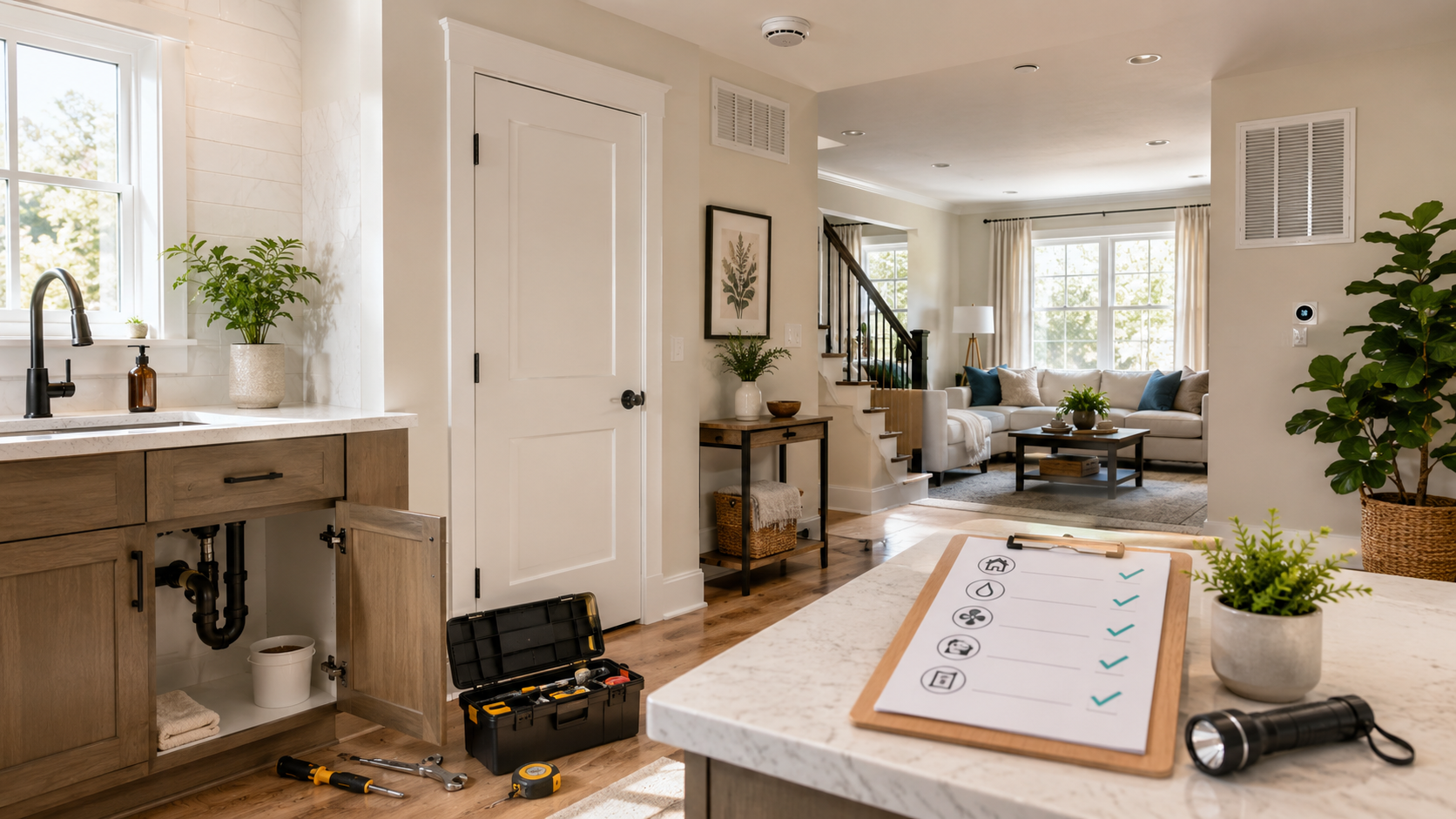
Overall, a simple checklist can help you remember what needs attention and prevent small problems from becoming serious.
Importantly, water leaks are among the most common household problems. Even a small leak can cause stains, unpleasant smells, wasted water, and damage to cabinets, floors, or walls.
First, check under sinks in the kitchen, bathroom, and laundry area. Look for moisture, water marks, moldy smells, or damaged cabinet surfaces. These signs may indicate a slow leak.
Next, observe faucets, showerheads, toilets, and outdoor taps. A dripping faucet may seem minor, but it can waste water and indicate worn parts.
Additionally, pay attention to walls and ceilings. Stains, peeling paint, or damp spots may suggest hidden moisture. If you notice these signs, it is better to investigate early instead of waiting for the problem to grow.
Naturally, drains need regular care because they collect soap residue, hair, food particles, grease, and dirt. When drains are ignored, they can become slow, smelly, or clogged.
In the kitchen, avoid pouring cooking oil or grease down the sink. Grease can stick inside pipes and create blockages over time. Instead, collect it properly and dispose of it according to local guidance.
In the bathroom, use drain covers to reduce hair buildup in showers and sinks. Remove visible hair and residue regularly before they move deeper into the drain.
Moreover, if a drain becomes slow, address it early. A slow drain is usually easier to solve than a fully blocked one. Regular cleaning and careful use help keep plumbing working better.
Clearly, ventilation is essential for preventing humidity, mold, and unpleasant odors. Rooms that stay closed for too long can feel stuffy and may develop moisture problems.
Firstly, open windows whenever possible to allow fresh air to circulate. This is especially useful in bathrooms, bedrooms, kitchens, and laundry areas.
Secondly, use exhaust fans in bathrooms and kitchens if available. These fans help remove steam, cooking smells, and moisture from the air.
Additionally, avoid drying wet clothes in poorly ventilated rooms for long periods. Damp fabrics can increase humidity and make the space feel less fresh.
Overall, good ventilation helps protect walls, furniture, fabrics, and indoor comfort.
Certainly, mold and humidity can affect the appearance and comfort of a home. They often appear in bathrooms, kitchens, laundry areas, closets, and corners with poor airflow.
To prevent this, keep surfaces dry whenever possible. Wipe bathroom walls, shower areas, and sinks when moisture accumulates. Clean spills quickly and avoid leaving damp towels on floors or furniture.
Furthermore, move furniture slightly away from walls if a room has poor ventilation. This allows air to circulate and reduces trapped moisture.
Additionally, check closets and cabinets regularly. A musty smell can be an early sign of humidity. Keeping storage areas organized and not overcrowded can help improve airflow.
Often, doors and windows are ignored until they become difficult to open, noisy, loose, or poorly sealed. Regular inspection can prevent comfort and security problems.
First, check if doors close properly. Tight hinges, loose handles, or misaligned frames can make daily use frustrating. Small adjustments may prevent bigger issues.
Next, observe windows for cracks, damaged seals, or difficulty opening. Good windows help with ventilation, natural light, temperature control, and safety.
Additionally, clean window tracks and door frames. Dust and dirt can accumulate and make movement harder. A clean track helps sliding windows and doors work better.
Generally, walls show early signs of home problems. Cracks, stains, peeling paint, and damp areas should not be ignored.
Firstly, inspect walls while cleaning or organizing rooms. Small marks and scratches can often be cleaned or touched up easily. However, stains caused by water should be investigated.
Moreover, peeling paint in bathrooms or kitchens may indicate excess moisture. Improving ventilation and reducing humidity can help protect painted surfaces.
Additionally, avoid placing furniture directly against walls in humid areas. Leaving a small gap can improve airflow and reduce the risk of marks or moisture buildup.
Clearly, floors receive daily use and need regular care. Dirt, moisture, furniture movement, and wrong cleaning products can damage flooring over time.
First, clean floors according to their material. Tile, wood, laminate, vinyl, and stone may require different products and methods. Using the wrong cleaner can leave stains or damage finishes.
Next, use mats near entrances to reduce dirt brought from outside. This is especially helpful if your home has a garden, balcony, or backyard.
Additionally, place felt pads under furniture legs to prevent scratches. When moving furniture, lift it instead of dragging it across the floor.
Naturally, appliances last longer when they are cleaned and used correctly. Refrigerators, washing machines, ovens, microwaves, and air conditioners all need basic maintenance.
For the refrigerator, clean shelves, remove expired food, and check door seals. A clean and well-sealed refrigerator works better and helps keep food organized.
For the washing machine, wipe the exterior, clean filters when required, and leave the door open after use if recommended. This helps reduce odors and moisture.
For the oven and microwave, clean spills before they harden. Food residue can create smells and make cleaning more difficult later.
Overall, following the manufacturer’s instructions is always important for appliance care.
Importantly, electrical maintenance should always be handled with care. You do not need to do advanced electrical work to maintain your home, but you should observe signs of problems.
First, check outlets, switches, and cords for visible damage. Loose outlets, flickering lights, burning smells, or sparks should never be ignored.
Additionally, avoid overloading outlets with too many devices. Using multiple appliances in one outlet can create risk and reduce safety.
Most importantly, call a qualified professional for electrical repairs. Electrical problems should not be handled without proper knowledge and tools.
If your home has gutters, outdoor drains, or water channels, they should be checked regularly. Leaves, soil, branches, and debris can block water flow and cause moisture problems.
Firstly, inspect gutters after storms or windy days. Blocked gutters can cause water to overflow and affect walls, roofs, or outdoor areas.
Next, keep outdoor drains free from leaves and garden waste. This helps prevent water from pooling near the house.
Additionally, observe how rainwater moves around your home. Water should flow away from walls and foundations when possible. Standing water can create damage and attract pests.
Certainly, the roof is one of the most important parts of a home. While you may not inspect it closely every day, signs of roof problems can appear inside the house.
For example, ceiling stains, damp spots, peeling paint, or dripping water during rain may indicate a roof issue. These signs should be checked quickly.
Moreover, after strong winds or storms, observe if there are visible damaged tiles, loose materials, or debris on the roof area. Do not climb or attempt risky inspections without proper safety.
Additionally, regular professional inspections can be helpful, especially for older homes or areas with heavy rain.
Since this is a home and garden topic, outdoor maintenance is also important. Gardens, yards, balconies, and patios affect the beauty and health of the home.
First, remove dry leaves, dead plants, broken pots, and garden waste regularly. This keeps outdoor areas cleaner and reduces clutter.
Next, trim plants when needed. Overgrown branches can block paths, reduce airflow, or touch walls and windows.
Additionally, check plant pots for proper drainage. Excess water in pots can damage surfaces and attract insects. Healthy plants and clean outdoor areas make the home more pleasant.
Naturally, pests are often attracted by food residue, standing water, clutter, and hidden spaces. Preventive habits can reduce the chance of unwanted insects or small animals entering the home.
Firstly, keep the kitchen clean. Store food properly, wipe counters, wash dishes, and remove trash regularly.
Secondly, avoid standing water in plant pots, buckets, drains, or outdoor containers. Water accumulation can create problems, especially in warm climates.
Additionally, seal small openings when possible. Gaps around doors, windows, pipes, or walls can allow pests to enter. If a pest problem becomes serious, professional help may be necessary.
Clearly, basic tools are useful for small household tasks, but they should be stored properly. Loose tools in drawers, laundry areas, or garden corners can create mess and safety risks.
To organize them, use a toolbox, shelf, pegboard, or labeled container. Keep common items such as a hammer, screwdriver, measuring tape, flashlight, and simple repair materials together.
Moreover, store sharp or heavy tools away from children and pets. Garden tools should also be cleaned before storage to prevent dirt from spreading.
Overall, organized tools make small maintenance tasks easier and safer.
Often, small furniture problems are easy to fix when noticed early. Loose screws, unstable chairs, damaged shelves, and weak handles can become bigger issues if ignored.
First, check chairs, tables, cabinets, shelves, and beds occasionally. Tighten loose screws and repair small issues before furniture becomes unsafe.
Next, observe cabinet doors, drawer tracks, and handles. Daily use can loosen parts over time.
Additionally, avoid overloading shelves and cabinets. Too much weight can damage furniture and create safety problems.
Finally, seasonal maintenance helps prepare your home for changes in weather and routine. Each season may bring different needs.
During warmer months, check fans, air conditioning, garden watering systems, outdoor furniture, and ventilation. Clean balconies and prepare shaded areas if needed.
During colder or rainy periods, check humidity, roof signs, windows, doors, drainage, rugs, and indoor airflow. Make sure outdoor areas do not collect water.
Additionally, seasonal reviews are a good time to declutter storage areas, organize garden supplies, wash curtains, and refresh home textiles.
In conclusion, home maintenance is one of the best ways to prevent common household problems. Small inspections and simple habits can help you avoid leaks, mold, clogged drains, damaged floors, appliance issues, and outdoor problems.
Overall, the most important steps are to create a maintenance routine, check for leaks, keep drains clean, improve ventilation, care for floors and walls, organize tools, maintain appliances, and inspect outdoor areas regularly.
Finally, remember that a well-maintained home is not about perfection. It is about paying attention to small details before they become larger problems. With consistent care, your home can stay safer, cleaner, more comfortable, and easier to enjoy every day.