How to Improve Natural Light and Ventilation at Home

Firstly, the living room is one of the most important areas of the home. It is often the place where families gather, guests are welcomed, conversations happen, and moments of rest take place. Because of this, the living room should be beautiful, comfortable, and functional at the same time.
However, many people find it difficult to balance decoration and practicality. A living room can look beautiful but feel uncomfortable. It can be comfortable but disorganized. It can also be functional but visually plain. The good news is that you do not need a large budget or professional design knowledge to improve this space.
Therefore, this guide will show you how to transform your living room with simple and practical ideas. You will learn how to organize furniture, choose colors, improve lighting, reduce clutter, add comfort, and create a space that works well for your daily routine.
Before anything else, you need to understand how your living room is used. Every home is different, and the best living room design is the one that fits your lifestyle.
For example, some families use the living room mainly to watch television. Others use it to receive visitors, read books, work from home, play with children, or relax after a long day. In some homes, the living room also connects with the dining area, entrance, balcony, or kitchen.
Therefore, observe your routine before making changes. Ask yourself what activities happen in this room every day. Once you understand the purpose of the space, it becomes easier to choose furniture, storage, lighting, and decoration.
Firstly, a beautiful and functional living room begins with less clutter. Too many objects can make the room feel smaller, heavier, and harder to clean. Even expensive furniture and decorations lose their impact when the space is visually crowded.
To begin, remove items that do not belong in the living room. Clothes, dishes, papers, shoes, bags, and random objects should return to their proper places. Then, review the items that are supposed to stay in the room, such as books, decorations, blankets, remote controls, toys, and electronics.
Additionally, decide what should remain visible and what should be stored. A few decorative pieces can make the room attractive, but too many items can create visual noise. Keep only what is useful, beautiful, or meaningful.
Next, furniture layout has a major impact on the comfort and functionality of the living room. A poorly arranged room can make movement difficult and reduce the usefulness of the space.
First, identify the main focus of the room. This could be the television, a window, a fireplace, a bookshelf, or a conversation area. Then, arrange the main seating pieces around that focal point.
Moreover, leave enough space for movement. People should be able to walk through the living room without bumping into furniture. Avoid blocking doors, windows, or natural pathways.
Also, think about conversation. Sofas and chairs should not be too far from each other. A good arrangement makes it easy for people to talk, relax, and feel connected.
Certainly, the sofa is usually the main piece of furniture in the living room. It affects the appearance, comfort, and functionality of the entire space.
When choosing a sofa, consider the size of the room first. A large sofa may look comfortable, but it can overwhelm a small living room. On the other hand, a very small sofa may not provide enough seating for the people who use the space.
Additionally, choose a fabric and color that match your lifestyle. Light fabrics can make the room look fresh and elegant, but they may require more care. Darker or neutral fabrics can be more practical for families, pets, or frequent use.
Furthermore, comfort should always matter. A beautiful sofa is not useful if it is uncomfortable. Test the seat depth, back support, and fabric texture whenever possible before making a decision.
Naturally, colors have a strong influence on how a living room feels. The right color palette can make the space look more beautiful, balanced, and comfortable.
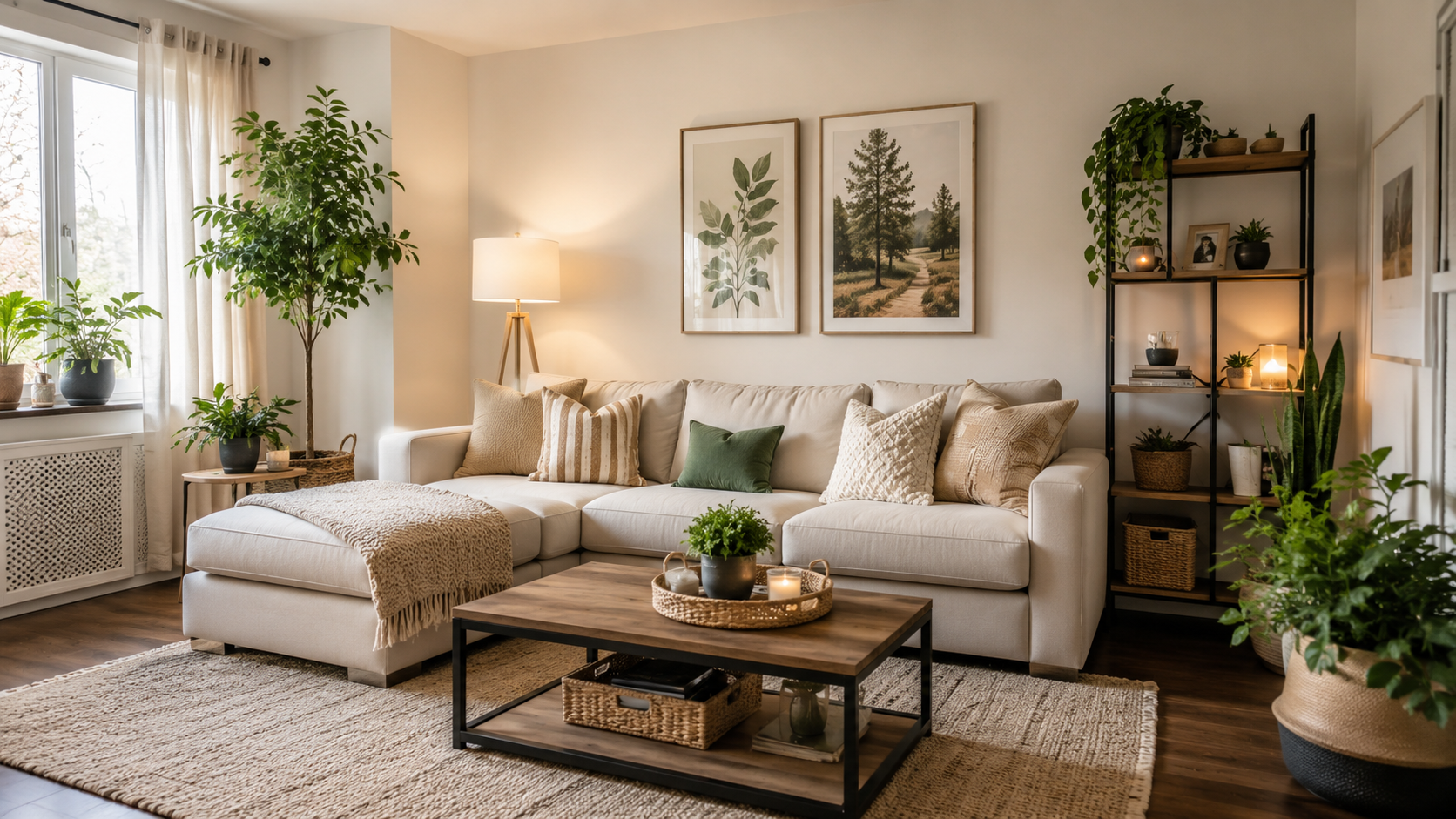
For a calm atmosphere, neutral colors such as white, beige, gray, cream, and soft brown work very well. These tones are easy to combine and make the room feel lighter. They also allow you to add personality through cushions, rugs, art, plants, and decorative objects.
However, you do not need to use only neutral colors. Soft green, blue, terracotta, mustard, or warm earthy tones can add charm and character. The secret is to choose a limited color palette and repeat it throughout the room.
For example, if you choose beige, white, and green, you can use green in pillows, plants, wall art, or small accessories. This creates visual harmony without making the decoration look confusing.
Importantly, lighting can completely change the appearance of a living room. A well-lit room feels more welcoming, functional, and pleasant.
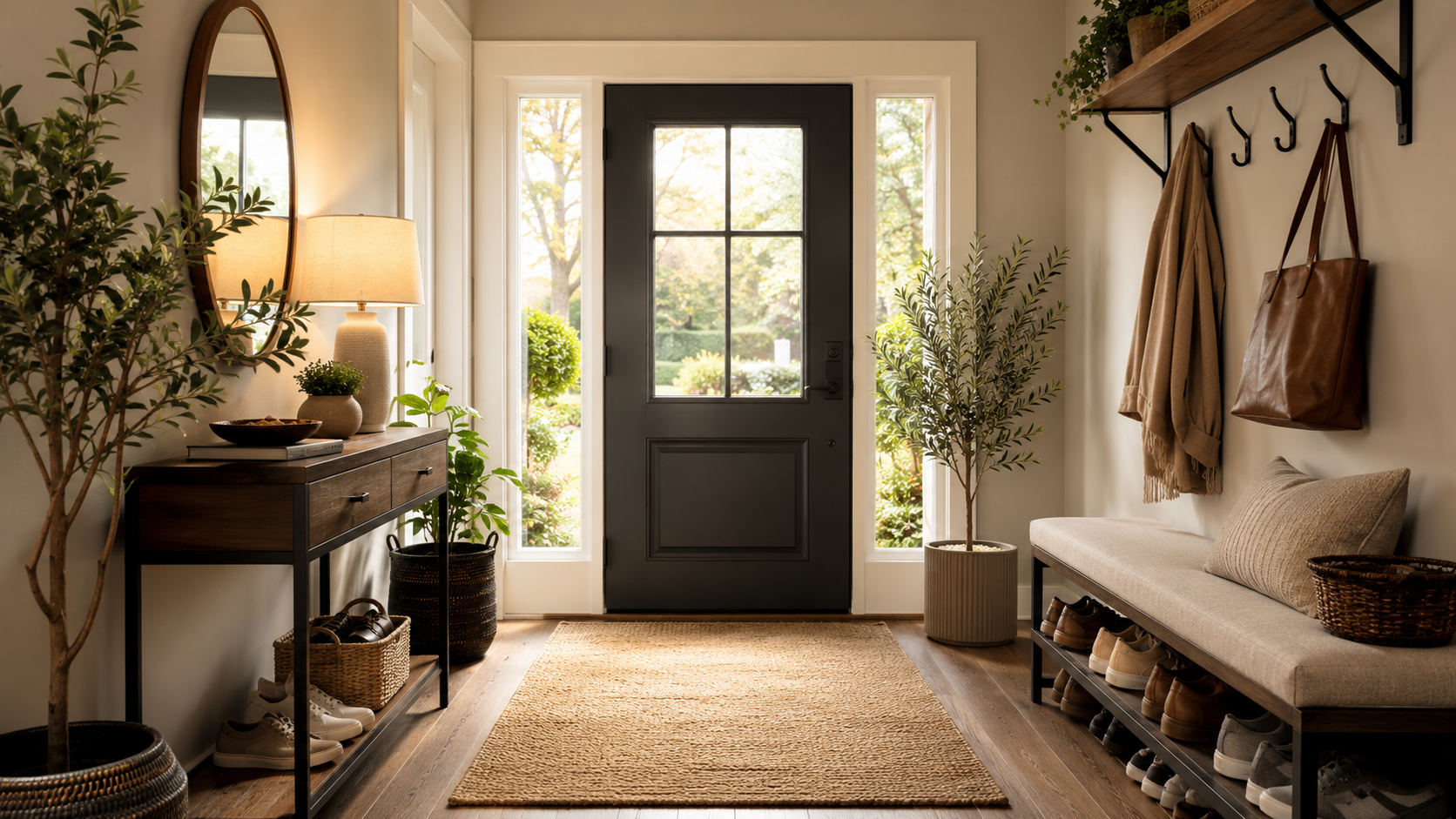
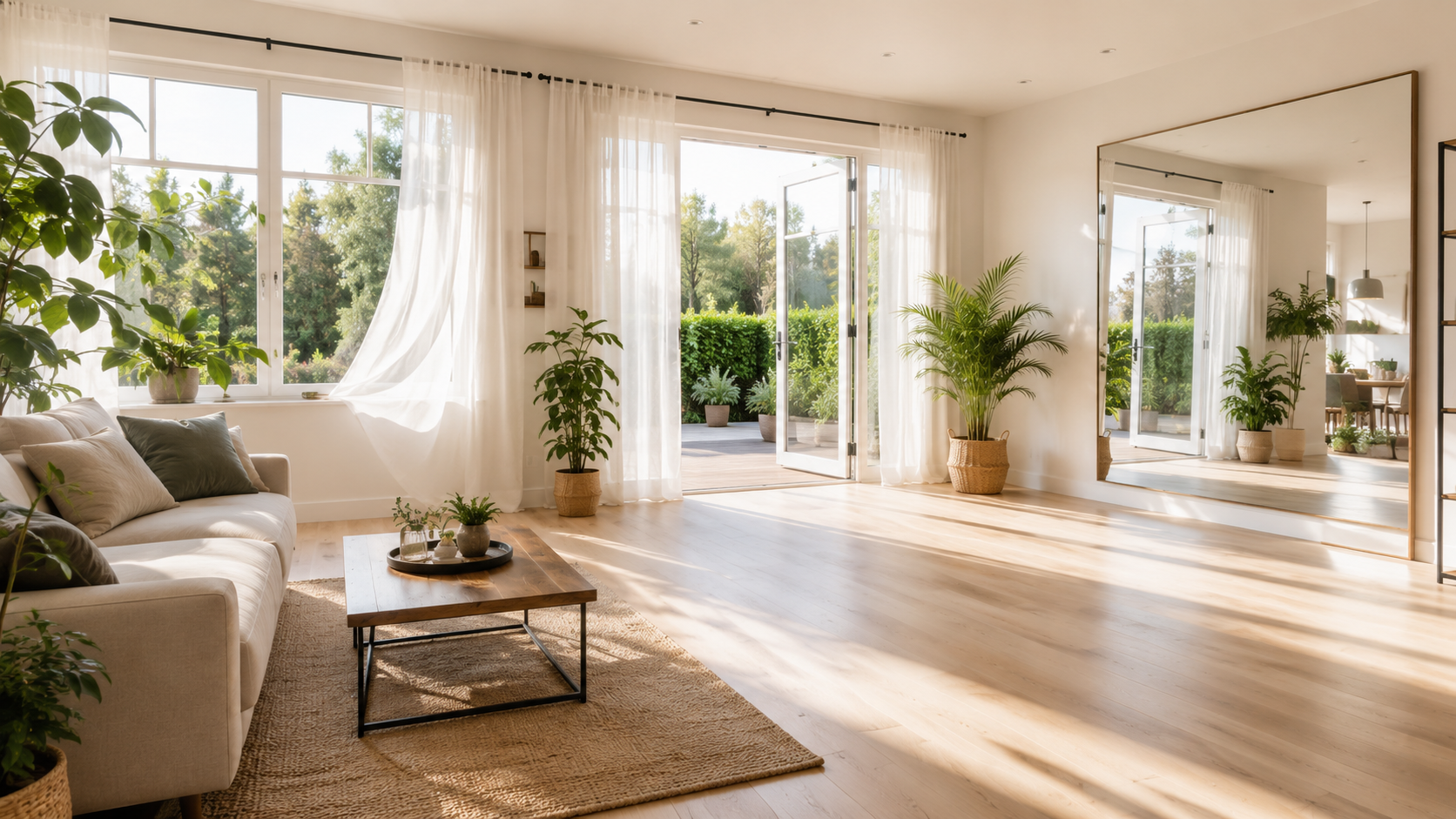
Firstly, take advantage of natural light. Keep windows clean, avoid heavy curtains when possible, and use light fabrics that allow sunlight to enter. Natural light makes the room feel larger and more cheerful.
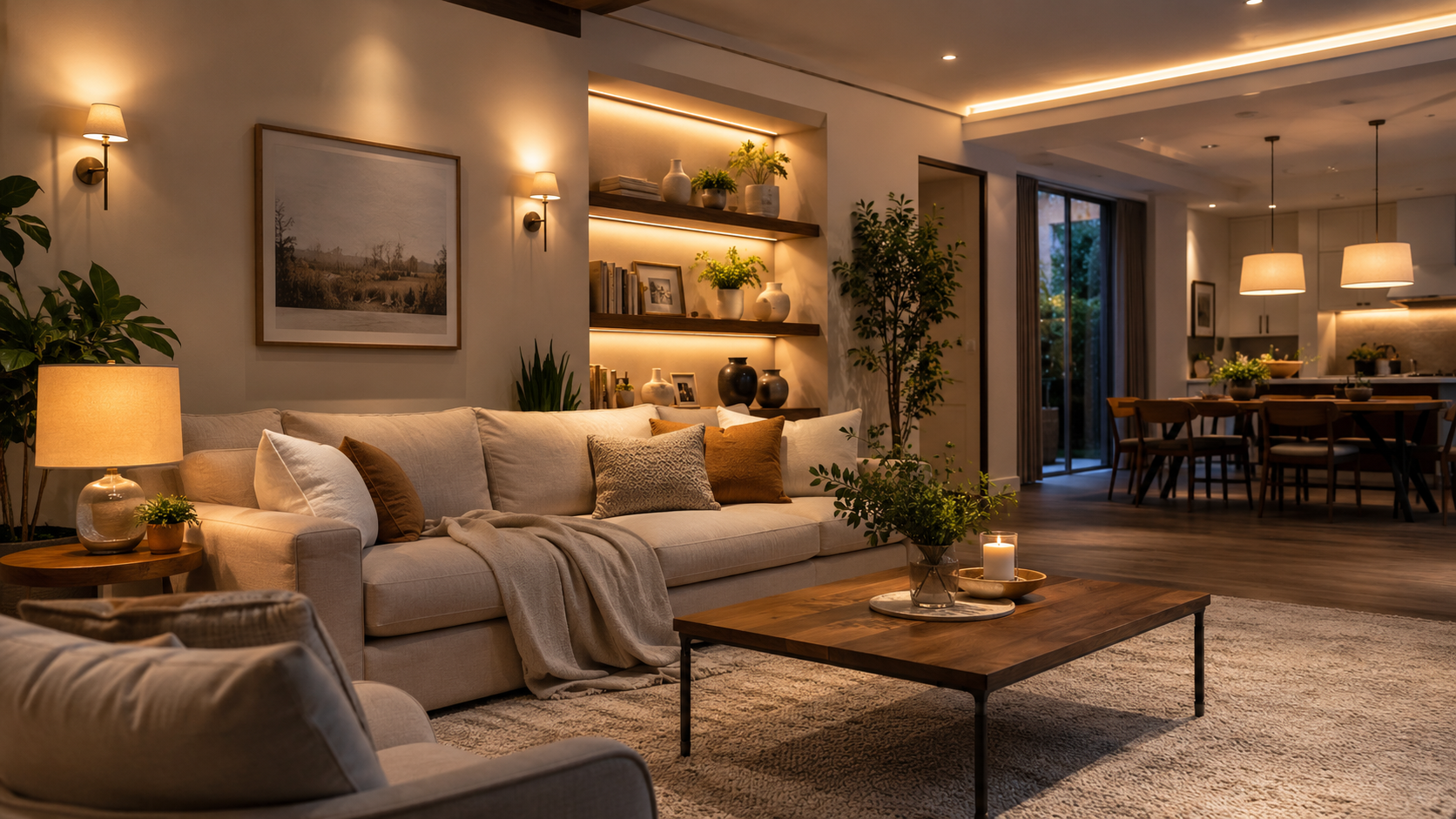
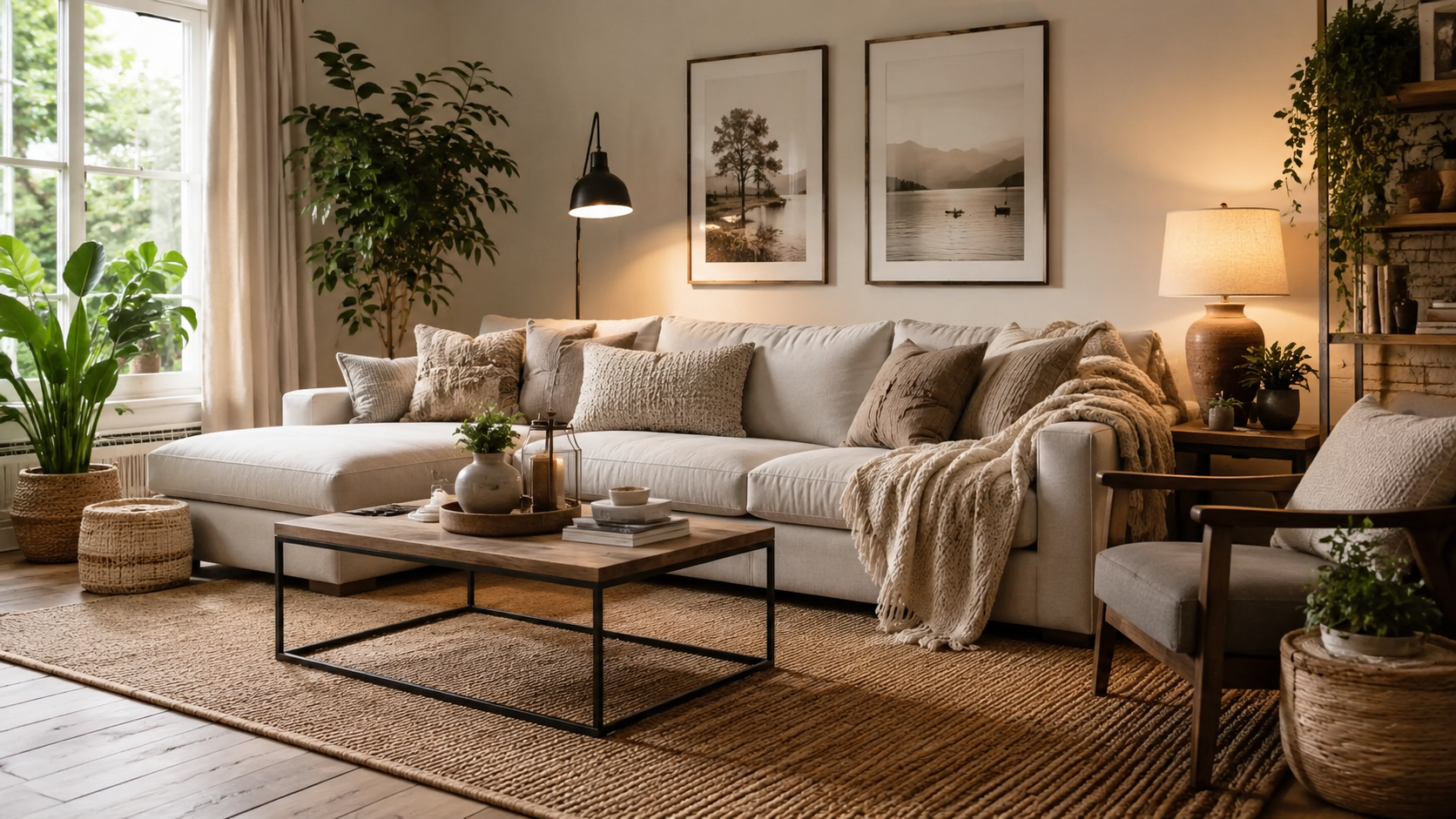
Secondly, use more than one source of artificial light. A single ceiling light may not be enough to create comfort. Floor lamps, table lamps, wall lights, and indirect lighting can make the room feel warmer and more inviting.
Additionally, choose lighting according to activity. Stronger light is useful for reading or working. Softer light is better for relaxing, watching television, or receiving guests in the evening.
Another simple way to make the living room more beautiful and comfortable is by adding a rug. A rug helps define the seating area, adds texture, and makes the room feel cozier.
When selecting a rug, consider size carefully. A rug that is too small can make the space feel disconnected. Ideally, the front legs of the sofa and chairs should rest on the rug, creating a unified area.
Moreover, choose a material that fits your routine. Soft rugs are comfortable but may require more cleaning. Flatweave or low-pile rugs can be easier to maintain, especially in homes with children or pets.
Also, use the rug to add color or pattern if the rest of the room is simple. A beautiful rug can become one of the main decorative elements of the living room.
Additionally, cushions and throws are affordable ways to change the look of the living room. They add comfort, color, texture, and personality without requiring major changes.
For example, you can use cushions in different sizes and fabrics to make the sofa more inviting. Linen, cotton, velvet, and knitted textures can create visual interest.
However, avoid using too many cushions. If people have to remove several pillows before sitting down, the decoration may not be practical. Balance beauty with comfort.
Similarly, a throw blanket can make the room feel warmer and more relaxed. It can be placed over the sofa, an armchair, or inside a decorative basket.
Certainly, plants are excellent for making a living room more beautiful and pleasant. They bring freshness, color, and a natural touch to the space.
If you are a beginner, choose easy-care plants that adapt well indoors. Some popular options include snake plants, pothos, peace lilies, zamioculcas, and spider plants. These plants can usually tolerate indoor conditions with proper care.
Moreover, consider the amount of light in your living room before choosing plants. Some plants need bright indirect light, while others can survive in lower light. Placing the right plant in the right spot helps keep it healthy.
Additionally, use decorative pots to match your home style. Ceramic, clay, woven baskets, and simple neutral pots can add beauty without making the space look crowded.
Unfortunately, electronics and cables can make a living room look messy even when the rest of the space is clean. Televisions, routers, video game consoles, speakers, chargers, and remote controls need organization.
First, hide or organize cables whenever possible. Cable clips, boxes, sleeves, or furniture with cable openings can help reduce visual clutter.
Next, create a specific place for remote controls and small electronic accessories. A tray, drawer, or small basket can prevent these items from getting lost.
Also, avoid keeping unused electronics in the living room. Old devices, broken chargers, and unnecessary cables should be removed or stored properly.
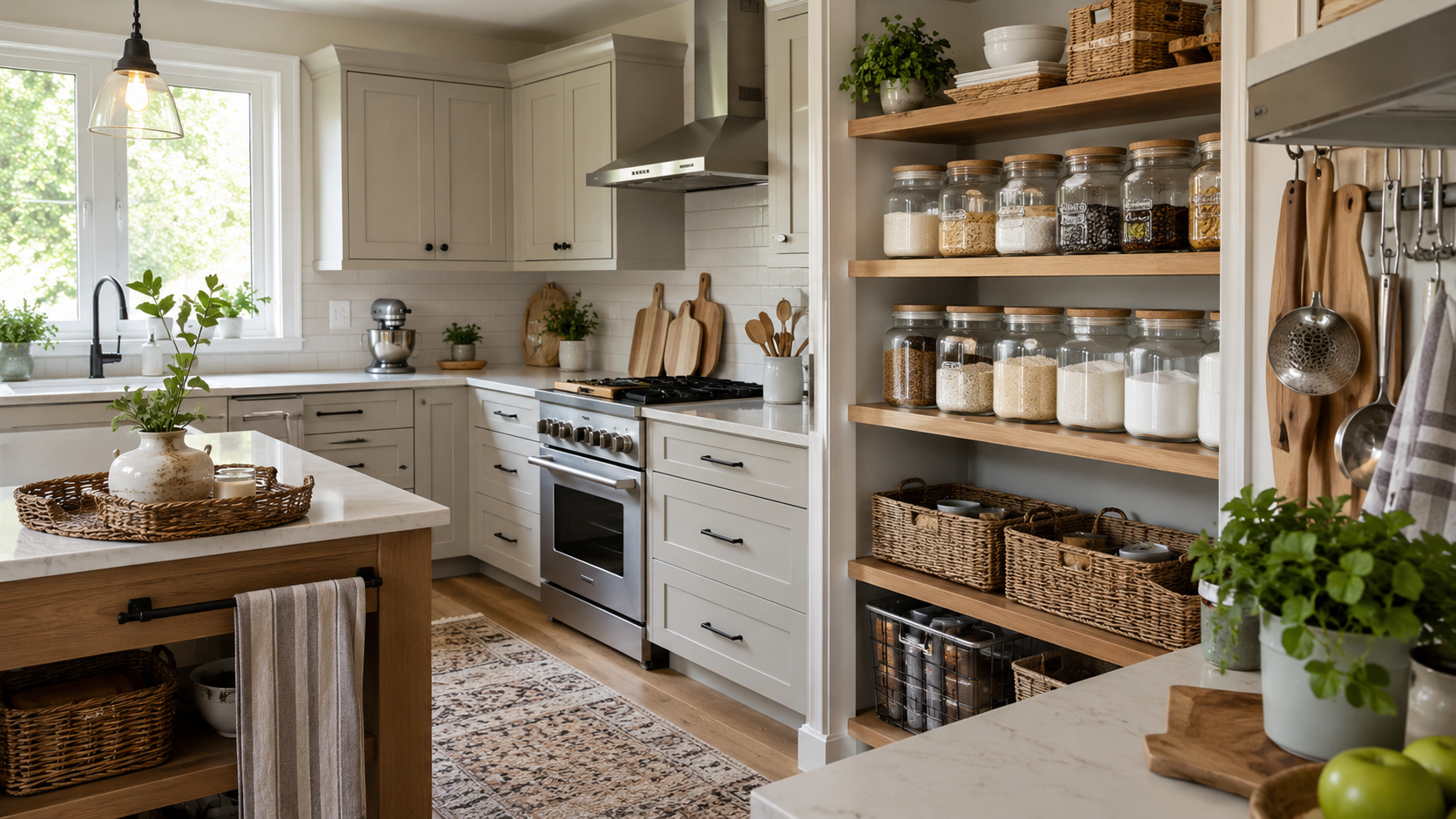
Clearly, a functional living room needs good storage. Without storage, objects quickly accumulate on tables, sofas, shelves, and floors.
For this reason, choose furniture that helps with organization. TV stands with drawers, coffee tables with compartments, storage benches, sideboards, and baskets are useful options.
Furthermore, use storage according to your needs. If you have children, baskets can store toys. If you enjoy reading, shelves can organize books. If you use blankets often, a decorative basket near the sofa can keep them accessible.
Most importantly, storage should be easy to use. If it is difficult to put things away, clutter will return quickly.
Besides furniture, walls also influence the beauty of the living room. Empty walls can make the space feel unfinished, while overcrowded walls can make it feel busy.
To decorate simply, choose wall art, framed photos, mirrors, shelves, or a decorative clock. These elements can add personality without taking up floor space.
For small rooms, mirrors are especially useful because they reflect light and can make the space feel larger. Place a mirror where it reflects natural light or a pleasant view.
Additionally, keep wall decoration balanced. A large piece of art above the sofa can look elegant. A gallery wall can also work well if the frames and colors are coordinated.
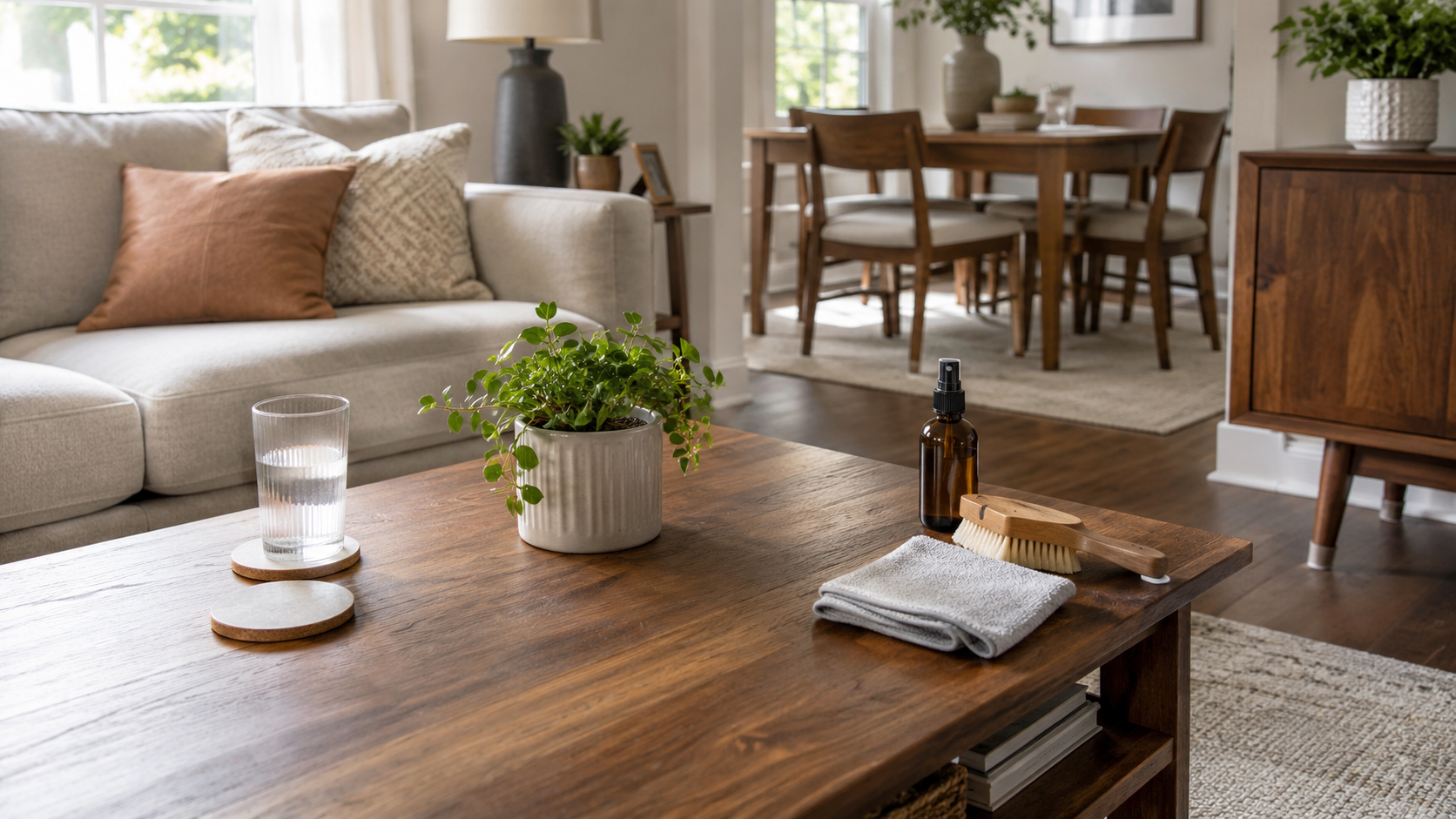
Practically, a beautiful living room should also be easy to clean. If the decoration is too complicated, maintenance becomes difficult and the space may quickly lose its charm.
Therefore, avoid too many small decorative objects. They collect dust and make cleaning slower. Choose fewer pieces with more impact.
Also, select materials that match your lifestyle. Washable cushion covers, easy-to-clean rugs, durable sofa fabrics, and simple surfaces can make daily care much easier.
In addition, create a quick cleaning routine. Dust surfaces, organize the sofa, return items to their places, and clean the floor regularly. These small actions keep the room pleasant every day.
Ultimately, comfort is what makes a living room truly enjoyable. A room can be stylish, but if it does not feel welcoming, it will not be used with pleasure.
To create coziness, use soft textures, warm lighting, comfortable seating, natural elements, and pleasant colors. A cozy living room invites people to relax and spend time there.
Moreover, include personal touches. Family photos, favorite books, handmade items, travel memories, or meaningful decorations can make the room feel more authentic.
However, keep balance. Personal items should add warmth without creating clutter. Choose the pieces that truly matter and display them with care.
If your living room is small, functionality becomes even more important. Every piece of furniture should have a purpose.
First, choose furniture with suitable proportions. Avoid oversized sofas, bulky tables, and heavy cabinets. Slim furniture, light colors, and raised legs can make the room feel more open.
Next, use vertical space. Shelves, wall-mounted cabinets, and hooks can help organize items without occupying too much floor space.
Additionally, use multifunctional pieces. A storage ottoman, nesting tables, or a sofa bed can add flexibility to a small living room.
In conclusion, making your living room more beautiful, comfortable, and functional is possible with simple and thoughtful changes. You do not need to spend a lot of money or replace everything at once. Small improvements in layout, lighting, organization, colors, and storage can transform the entire space.
Overall, the best living room is the one that fits your lifestyle. It should support your daily activities, welcome your guests, offer comfort, and reflect your personal taste.
Finally, remember that beauty and functionality should work together. When your living room is organized, cozy, easy to clean, and pleasant to use, it becomes one of the most valuable spaces in your home.