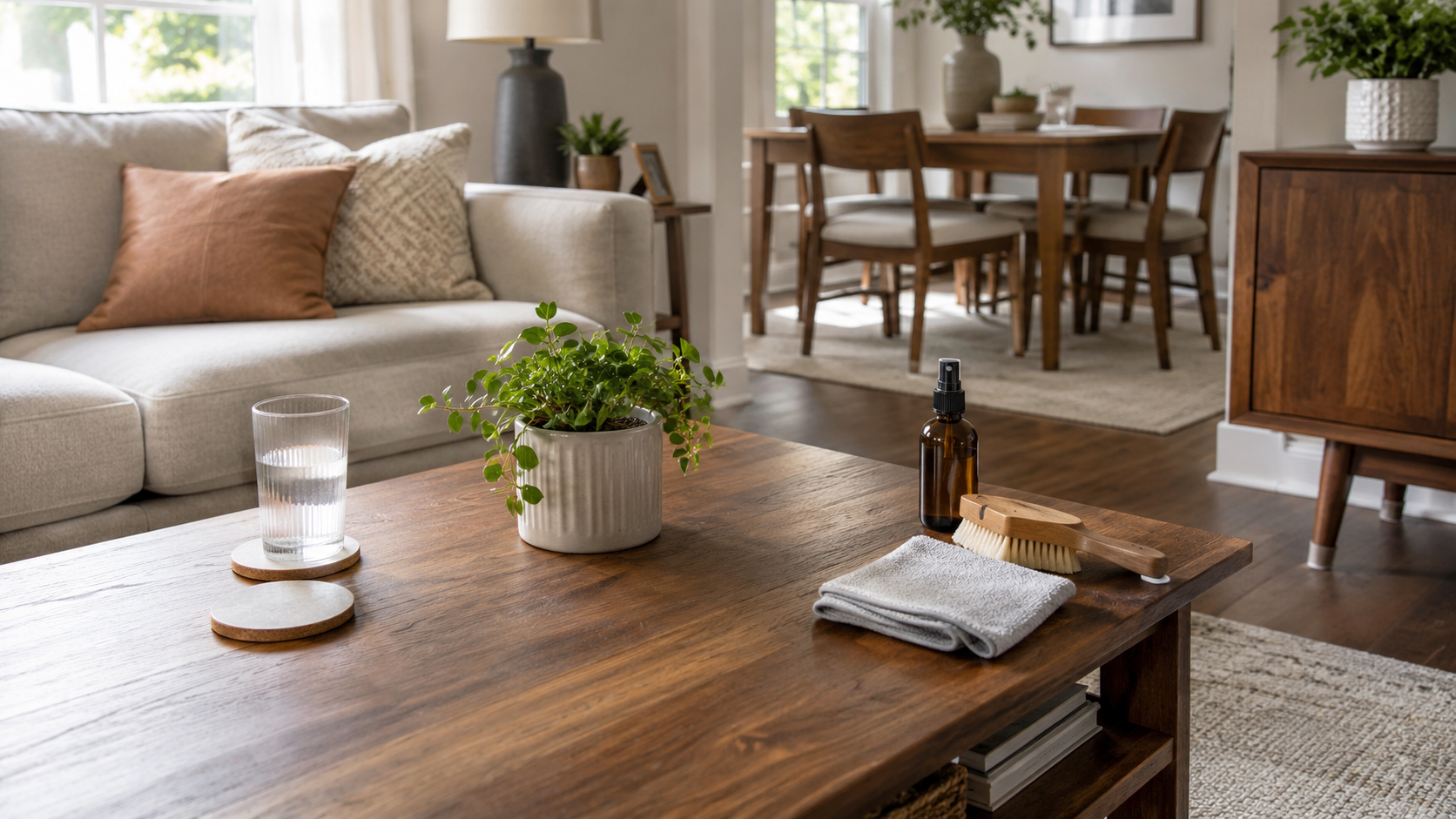
How to Take Better Care of Your Furniture and Make It Last Longer

Firstly, furniture is an important part of every home. Sofas, tables, chairs, cabinets, beds, shelves, wardrobes, and outdoor pieces help create comfort, organization, and beauty in daily life. Because furniture is used every day, it needs proper care to stay in good condition for a longer time.
Moreover, taking care of furniture does not require complicated techniques or expensive products. In many cases, simple habits such as cleaning regularly, avoiding excess moisture, protecting surfaces, tightening screws, and using furniture correctly can prevent damage and extend the life of each piece.
Therefore, this guide will show you how to take better care of your furniture and make it last longer. You will learn practical tips for cleaning, protecting, organizing, and maintaining different types of furniture in your home.
Before anything else, it is important to understand what your furniture is made of. Different materials require different types of care. Wood, MDF, metal, glass, fabric, leather, plastic, bamboo, and outdoor materials do not all react the same way to water, heat, sunlight, and cleaning products.
For example, solid wood may need protection from excess moisture and direct sunlight. Fabric sofas may require vacuuming and stain prevention. Glass tables need gentle cleaning to avoid scratches and marks. Metal furniture may need protection from rust, especially in humid areas.
Additionally, when possible, check the manufacturer’s care instructions. These instructions can help you choose the right cleaning method and avoid products that may damage the furniture.
Naturally, regular cleaning is one of the easiest ways to preserve furniture. Dust, food crumbs, body oils, pet hair, humidity, and dirt can accumulate over time and affect the appearance and durability of each piece.
Firstly, dust furniture frequently with a soft cloth. Microfiber cloths are usually useful because they collect dust without scratching surfaces. For delicate pieces, avoid rough cloths or abrasive sponges.
Next, clean spills immediately. Liquids can leave stains, damage finishes, or enter small openings. The faster you clean a spill, the lower the chance of permanent damage.
Additionally, avoid using too much water when cleaning furniture. Many materials, especially wood and MDF, can swell, stain, or weaken when exposed to excess moisture.
Certainly, wooden furniture brings warmth and beauty to a home, but it needs careful maintenance. Wood can be affected by water, sunlight, heat, and scratches.
First, use coasters under cups and glasses. Water rings can mark wooden surfaces and may be difficult to remove. Placemats and tablecloths can also help protect dining tables during meals.
Moreover, avoid placing hot pans, mugs, or appliances directly on wood. Heat can damage the finish or leave marks. Use trivets or heat-resistant mats instead.
Additionally, keep wooden furniture away from strong direct sunlight when possible. Sunlight can fade colors and dry out some finishes over time. Curtains, blinds, or furniture placement can help reduce exposure.
Importantly, many modern homes use furniture made from MDF or particleboard. These materials can be practical and affordable, but they are usually more sensitive to moisture than solid wood.
To protect them, avoid soaking surfaces with water. Use a slightly damp cloth when needed and dry the area right away. Water can cause swelling, peeling, or deformation if it enters edges or joints.
Furthermore, be careful with heavy weight. Shelves, cabinets, and drawers made from these materials may bend or weaken if overloaded. Distribute weight evenly and avoid placing very heavy objects on thin shelves.
Also, check screws and hinges regularly. Over time, doors and drawers may loosen with daily use. Small adjustments can prevent bigger damage.
Usually, sofas, armchairs, dining chairs, and benches with fabric upholstery need regular care because they collect dust, crumbs, hair, and odors.
Firstly, vacuum upholstered furniture regularly using a suitable attachment. This helps remove dust and small particles before they settle deeper into the fabric.
Next, clean stains as soon as possible according to the fabric type. Avoid rubbing aggressively because this can spread the stain or damage the fabric. Instead, blot gently with a clean cloth.
Additionally, rotate cushions when possible. This helps distribute wear more evenly and prevents one area from becoming flat or faded faster than the rest.
Clearly, leather and faux leather furniture can look elegant, but they require specific care. They can crack, peel, fade, or dry out when exposed to harsh conditions.
First, keep leather furniture away from direct sunlight and intense heat. Sunlight can fade the surface, while heat can dry it out.
Next, clean with a soft cloth and products suitable for the material. Avoid strong chemicals, abrasive tools, or excessive water. For real leather, a proper conditioner may be useful according to the manufacturer’s guidance.
Moreover, avoid placing sharp objects on leather or faux leather surfaces. Keys, tools, pet claws, and rough accessories can scratch or tear the material.
Importantly, moisture is one of the biggest enemies of many types of furniture. It can cause stains, swelling, mold, rust, unpleasant smells, and structural damage.
For this reason, keep furniture away from damp walls, leaking windows, and areas with poor ventilation. If a room tends to be humid, leave a small space between furniture and the wall to allow air circulation.
Additionally, dry wet surfaces quickly. If water spills on a table, cabinet, or shelf, wipe it immediately. Do not allow damp cloths or wet objects to sit on furniture for long periods.
Furthermore, improve ventilation in bathrooms, kitchens, bedrooms, and laundry areas. Fresh air helps protect furniture and keeps the home more comfortable.
Naturally, sunlight can brighten a home, but strong direct sunlight can damage furniture over time. Fabrics may fade, wood may discolor, and some materials may become dry or brittle.
To reduce damage, use curtains, blinds, or window films in rooms that receive intense sunlight. You can also rearrange furniture so delicate pieces are not directly exposed for many hours each day.
Additionally, rotate decorative objects on shelves and tables. If one area is always covered and another is always exposed, the surface may fade unevenly.
Overall, sunlight does not need to be avoided completely, but furniture should be protected from excessive exposure.
Often, furniture gets damaged because it is used in ways it was not designed for. Chairs are used as ladders, tables hold too much weight, drawers are forced open, and shelves are overloaded.
To prevent damage, use each piece according to its purpose. Avoid standing on chairs, sitting on delicate tables, or placing heavy appliances on furniture that cannot support them.
Moreover, teach everyone in the home to use furniture carefully. Small daily habits, such as closing drawers gently and not leaning back on chairs, can prevent damage over time.
Additionally, if a piece feels unstable, stop using it until it is checked or repaired.
Certainly, furniture can loosen over time with daily use. Chairs may wobble, cabinet doors may become misaligned, drawers may slide poorly, and table legs may feel unstable.
For this reason, check screws, hinges, handles, and joints regularly. Tightening a loose screw is a simple action that can prevent larger structural problems.
Additionally, do not ignore wobbling furniture. A chair or table that moves too much may become unsafe. Fixing small issues early helps the piece last longer.
However, avoid forcing screws into damaged holes. If the furniture is weakened, it may need proper repair or reinforcement.
Clearly, moving furniture incorrectly can cause scratches, broken legs, damaged floors, and weakened joints. Even strong furniture can be damaged if dragged or lifted poorly.
Firstly, remove items from drawers, shelves, and cabinets before moving furniture. This reduces weight and prevents objects from falling.
Next, lift furniture instead of dragging it whenever possible. If the piece is heavy, ask for help and use proper moving tools. Dragging furniture can damage both the piece and the floor.
Additionally, protect corners and surfaces with blankets or padding when moving furniture between rooms or homes.
Importantly, shelves and drawers have weight limits. When they are overloaded, they can bend, break, or become difficult to use.
For example, books are heavy and should be distributed carefully across shelves. Heavy kitchen items should be placed on strong lower shelves. Drawers should not be packed so tightly that they are hard to open.
Moreover, avoid using fragile shelves for heavy appliances, tools, or large containers. If a shelf begins to bend, reduce the weight immediately.
Overall, balanced storage protects furniture and makes organization easier.
Practically, protective accessories can help furniture last longer. Felt pads under chair and table legs can prevent floor scratches and reduce friction. Table covers, placemats, and coasters can protect surfaces from heat, moisture, and stains.
Additionally, sofa covers or washable throws can protect upholstery from pets, children, food crumbs, and daily wear. This is especially useful in busy homes.
Moreover, outdoor furniture covers can protect pieces from rain, dust, sunlight, and garden debris when they are not in use.
Ultimately, small protective items can prevent damage and reduce cleaning work.
Clearly, heat can damage many materials. Wooden furniture may dry or crack, fabric may fade, and some plastic or synthetic materials may deform.
Therefore, avoid placing furniture too close to heaters, fireplaces, ovens, or strong appliances that produce heat. If furniture must stay near a heat source, create enough distance and protection.
Additionally, do not place hot items directly on furniture surfaces. Use heat-resistant mats, trivets, or trays to protect tables, counters, and cabinets.
Over time, heat protection helps preserve both appearance and structure.
Since this is a home and garden topic, outdoor furniture also deserves attention. Patio chairs, garden benches, balcony tables, and outdoor shelves face more exposure than indoor furniture.
First, clean outdoor furniture regularly to remove dust, leaves, soil, bird droppings, and moisture. Outdoor dirt can damage surfaces if left for too long.
Next, protect furniture from rain and strong sunlight when possible. Use covers, shaded areas, or storage during harsh weather.
Additionally, choose care methods according to material. Metal may need rust prevention, wood may need sealing or oiling, and plastic may need gentle washing. Proper care keeps outdoor spaces more beautiful and functional.
Naturally, scratches are common on tables, shelves, cabinets, and chairs. Some scratches happen from daily use, but many can be prevented.
For instance, avoid sliding rough objects across furniture surfaces. Lift decorations, trays, appliances, and tools instead of dragging them.
Moreover, use trays under decorative items, especially on delicate surfaces. A tray can protect the furniture and make cleaning easier.
Additionally, keep sharp objects away from furniture. Keys, scissors, gardening tools, and metal accessories should not be placed directly on delicate surfaces.
Certainly, spills are part of daily life, especially in kitchens, dining rooms, living rooms, and outdoor areas. However, quick action can prevent stains and damage.
First, blot liquid spills instead of spreading them. Use a clean cloth and absorb the liquid gently. Avoid rubbing aggressively, especially on fabric or porous surfaces.
Next, dry the area completely. Moisture left behind can damage finishes or create odors.
Additionally, for specific stains, use the correct cleaning method for the material. A product that works on tile may not be safe for wood, fabric, or leather.
If you have pets, furniture care may require extra attention. Pet hair, claws, accidents, and chewing can affect sofas, rugs, chairs, and wooden pieces.
To reduce damage, provide pets with suitable beds, scratching posts, toys, and comfortable areas of their own. This can help redirect natural behavior away from furniture.
Additionally, use washable covers on sofas and chairs if needed. Vacuum pet hair regularly and clean accidents quickly to prevent odors and stains.
Moreover, trim pet nails when appropriate and safe, or ask a professional for help. This can reduce scratches on fabric, leather, and wood.
Finally, furniture lasts longer when care becomes part of your home routine. You do not need to inspect every piece every day, but regular attention helps.
For example, dust surfaces weekly, vacuum upholstery, check screws monthly, clean spills immediately, and review outdoor furniture seasonally.
Additionally, deep clean furniture occasionally based on material and use. Sofas, dining chairs, cabinets, and outdoor pieces may need extra care from time to time.
Overall, small maintenance habits are easier than repairing major damage later.
In conclusion, taking better care of your furniture is one of the best ways to protect your home, save money, and keep each room beautiful and functional. Furniture is part of daily life, and simple care can make it last much longer.
Overall, the most important steps are to clean regularly, protect surfaces, avoid excess moisture, reduce sunlight damage, use furniture properly, tighten screws, prevent scratches, and care for each material according to its needs.
Finally, remember that furniture care does not need to be complicated. With consistent habits and a little attention, your sofas, tables, chairs, cabinets, beds, and outdoor pieces can remain comfortable, attractive, and useful for many years.