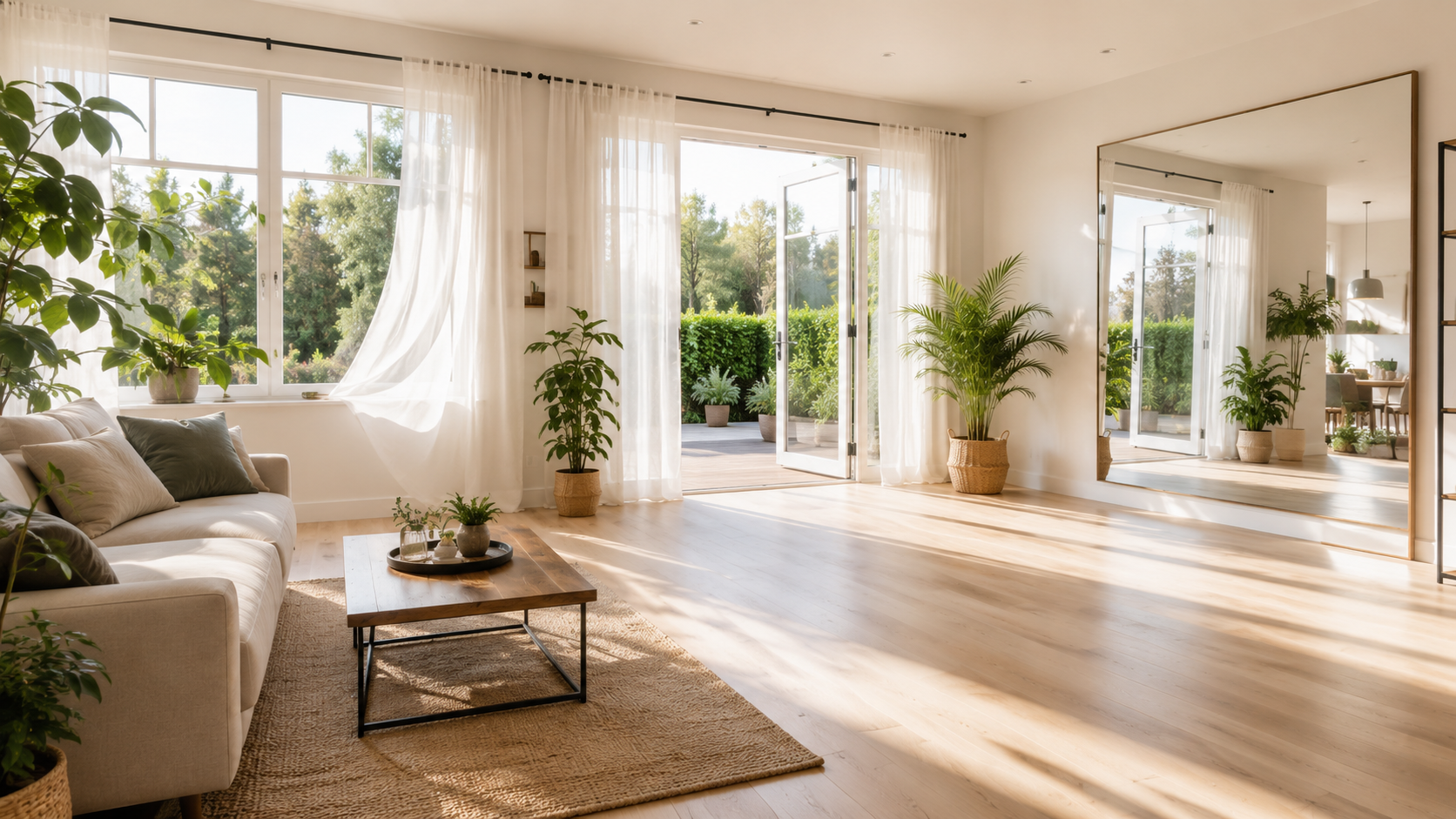
How to Improve Natural Light and Ventilation at Home

Firstly, natural light and ventilation are two essential elements for creating a more comfortable, pleasant, and functional home. A bright and well-ventilated house feels fresher, cleaner, and more inviting. On the other hand, dark and poorly ventilated rooms can feel heavy, humid, and less comfortable to use every day.
Moreover, improving natural light and airflow does not always require renovations or expensive changes. In many homes, simple adjustments such as cleaning windows, rearranging furniture, choosing lighter curtains, using mirrors, and keeping rooms organized can make a noticeable difference.
Therefore, this guide will show you how to improve natural light and ventilation at home in practical ways. You will learn how to make rooms brighter, increase airflow, reduce humidity, choose better colors, use plants correctly, and create a fresher indoor environment.
To begin with, natural light can completely change the feeling of a room. A space with good daylight usually feels larger, cleaner, and more welcoming. Even simple rooms can look more beautiful when sunlight enters naturally.
Additionally, natural light helps highlight colors, textures, furniture, plants, and decorative details. A well-lit room can make your home feel more open and visually balanced without needing many decorative objects.
Furthermore, daylight can help reduce the need for artificial lighting during the day. This can make your home feel more efficient and pleasant, especially in areas such as living rooms, kitchens, bedrooms, and home offices.
Naturally, ventilation is just as important as light. Fresh air helps remove odors, reduce humidity, and make rooms feel more comfortable. When air does not circulate well, spaces can become stuffy and unpleasant.
Moreover, poor ventilation can contribute to moisture problems in bathrooms, kitchens, laundry areas, closets, and bedrooms. Humidity may cause musty smells, stains, and discomfort if it is not controlled.
Therefore, improving airflow is a practical part of home maintenance. A well-ventilated home is easier to keep fresh, clean, and enjoyable throughout the day.
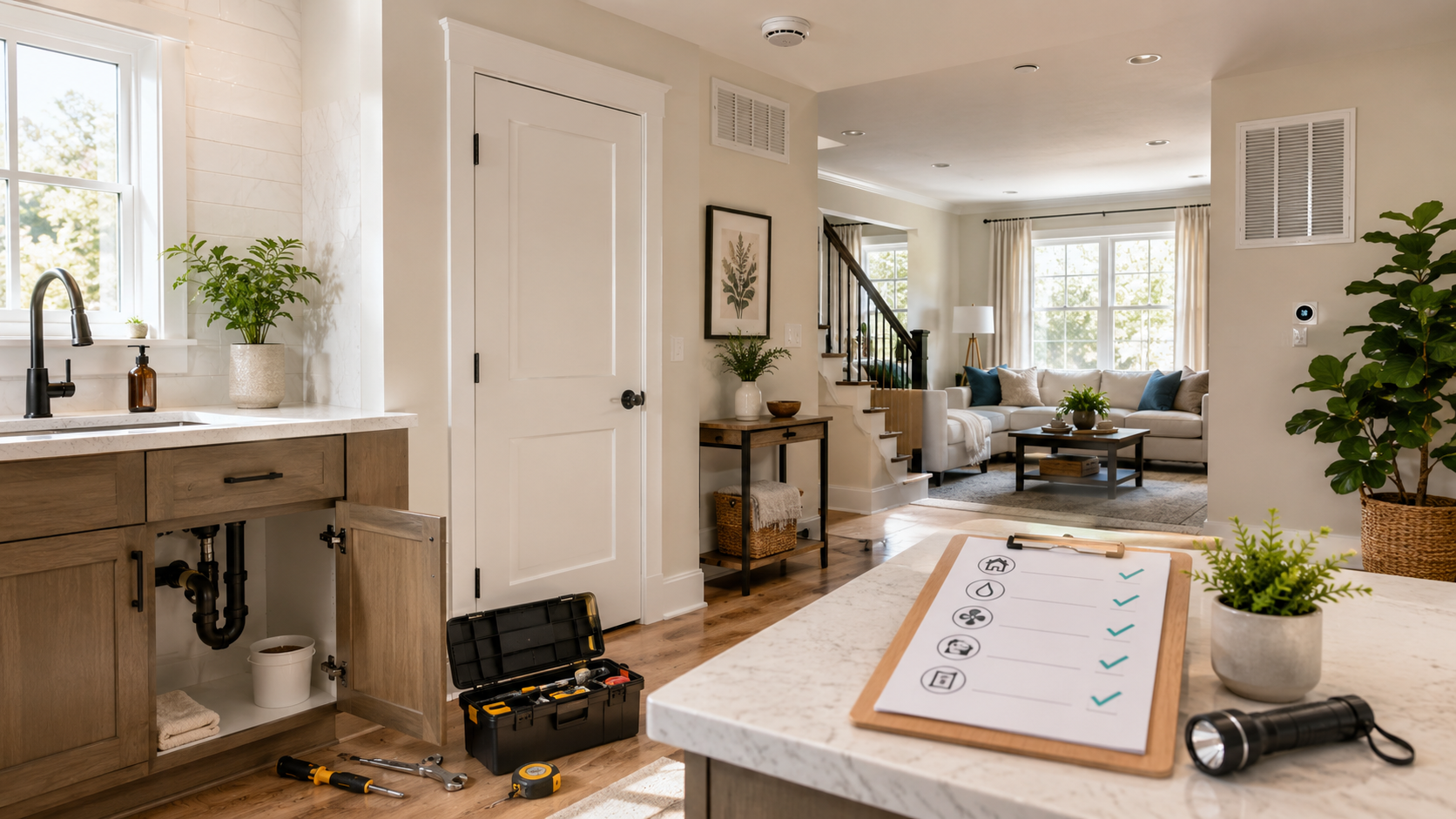
Before anything else, walk through your home and observe how light and air move through each space. Notice which rooms receive the most sunlight, which areas stay dark, and which spaces feel closed or humid.
For example, a bedroom may have a window but still feel dark because heavy curtains block daylight. A living room may feel stuffy because furniture blocks airflow. A bathroom may stay humid because the window is rarely opened.
Additionally, pay attention to the time of day. Some rooms receive morning light, while others receive afternoon light. Understanding this pattern helps you use each space better and make smarter decoration decisions.
Firstly, clean windows are one of the simplest ways to improve natural light. Dust, fingerprints, water spots, and outdoor dirt can reduce the amount of light entering the home.
To improve brightness, clean glass, window frames, and tracks regularly. Even if the room layout stays the same, clean windows can make the space feel fresher and brighter.
Moreover, do not forget windows in less-used areas, such as laundry rooms, bathrooms, hallways, and storage spaces. These areas also benefit from better light and ventilation.
Overall, window cleaning is a low-cost habit that improves the appearance and comfort of the entire home.
Certainly, curtains affect both lighting and ventilation. Heavy or dark curtains can block sunlight and reduce airflow, especially in small rooms.
For brighter rooms, choose light fabrics that allow daylight to pass through. Sheer curtains, linen-style curtains, or light cotton curtains can soften the light without making the room dark.
Additionally, use heavier curtains only when necessary, such as in bedrooms that need more privacy or light control. Even then, you can combine sheer curtains with heavier panels, allowing flexibility during the day.
Furthermore, keep curtains open whenever possible to let sunlight and fresh air enter. This simple habit can make rooms feel much more comfortable.
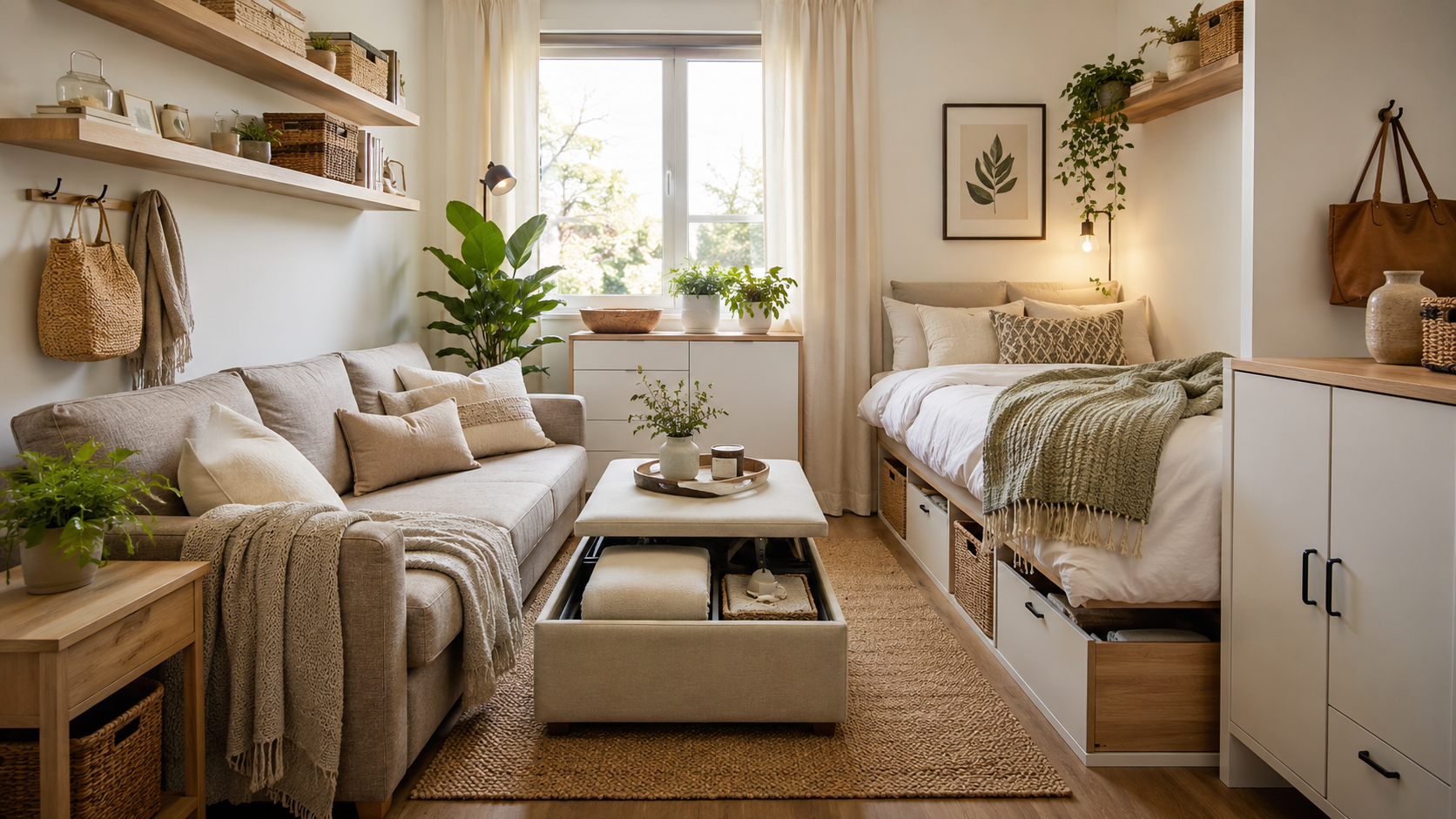
Often, furniture placement blocks natural light and airflow without people realizing it. Large sofas, wardrobes, shelves, and cabinets placed in front of windows can make rooms darker and less ventilated.
To solve this, move tall or bulky furniture away from windows when possible. Keep window areas open so light can spread through the room and air can circulate more freely.
Moreover, place lower furniture near windows if you need to use that area. A small bench, low table, or plant stand may work better than a large cabinet.
Additionally, avoid overcrowding window corners. The more open the window area is, the brighter and fresher the room will feel.
Interestingly, mirrors are excellent tools for improving natural light. They reflect brightness and can make rooms feel larger and more open.
For best results, place a mirror where it can reflect daylight from a window. A mirror across from or near a window can help distribute light throughout the room.
Additionally, mirrors can be used in narrow hallways, small bedrooms, living rooms, bathrooms, and entrances. They add function and decoration at the same time.
However, avoid placing mirrors where they reflect clutter. A mirror should reflect light, plants, open space, or a pleasant view to create a better effect.
Generally, light colors help rooms feel brighter because they reflect more light. White, cream, beige, soft gray, pale green, and light blue are good choices for creating a fresh atmosphere.
However, this does not mean your home must be completely white. You can use warm neutrals as a base and add color through cushions, plants, rugs, artwork, and decorative objects.
Furthermore, light-colored furniture can also help. A dark and heavy sofa may make a small room feel closed, while lighter furniture can create a softer visual effect.
Overall, color choices can influence how much natural light seems to spread through the home.
Importantly, clutter can make rooms feel darker and more closed. Too many objects on shelves, tables, floors, and windowsills can block light and interrupt airflow.
To improve the feeling of space, keep surfaces clear. Remove unnecessary objects from window areas, tables, counters, and shelves. A more open room allows light to travel better.
Additionally, avoid placing too many decorative items in small rooms. A few well-chosen objects can create beauty without making the space feel crowded.
Ultimately, organization improves both appearance and comfort. A clean and open room usually feels brighter, fresher, and easier to live in.
Naturally, opening windows is one of the simplest ways to improve ventilation. However, opening them strategically can make airflow much better.
For example, open windows on opposite sides of the home when possible. This creates cross-ventilation, allowing fresh air to enter from one side and leave through another.
Additionally, if your home has windows in different rooms, open interior doors to help air move between spaces. Even a small opening can improve circulation.
Moreover, open windows during cooler parts of the day if the weather is hot. Morning and evening airflow can refresh the home without making it too warm.
Clearly, ventilation is not only about windows. Air also needs space to move from one room to another. Closed doors, crowded furniture, and blocked pathways can reduce airflow.
To improve circulation, keep interior doors open when privacy is not needed. This helps air move through bedrooms, living rooms, hallways, and shared areas.
Additionally, avoid placing large furniture in narrow passages. Airflow follows open paths, so keeping pathways clear can make the home feel less stuffy.
Furthermore, use fans when natural airflow is limited. A fan can help move air between rooms and make a space feel more comfortable.
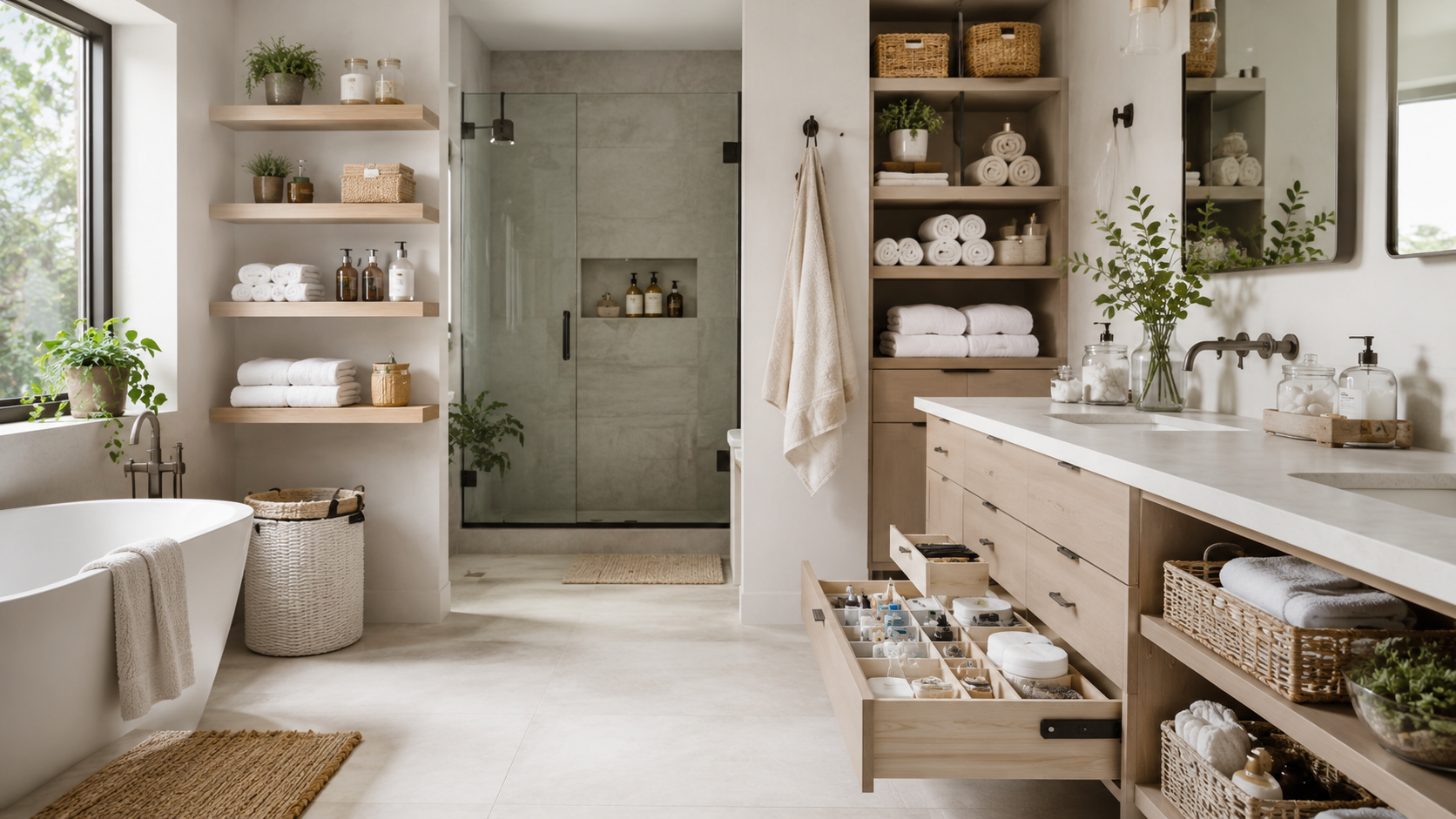
Usually, bathrooms need extra ventilation because they are exposed to moisture every day. Showers, sinks, damp towels, and closed spaces can create humidity quickly.
First, open the bathroom window after showers whenever possible. If there is an exhaust fan, use it during and after bathing to help remove steam.
Next, avoid leaving wet towels on the floor or in piles. Hang them properly so they can dry faster.
Additionally, keep bathroom surfaces clean and dry. Wiping excess moisture from the sink, mirror, or shower area can help keep the room fresher.
Certainly, kitchens also need good ventilation because cooking creates steam, heat, grease, and odors. Without airflow, smells can spread through the home and surfaces may feel sticky over time.
To improve kitchen ventilation, open a window while cooking when possible. Use an exhaust fan or range hood if available.
Moreover, clean grease-prone areas regularly, such as the stove, backsplash, cabinets near the cooking area, and range hood filters. Good cleaning supports better air quality and freshness.
Additionally, avoid letting trash accumulate in the kitchen. Taking out waste regularly helps prevent unpleasant odors and keeps the space more pleasant.
Importantly, laundry areas can become humid because of wet clothes, washing machines, buckets, mops, and cleaning cloths. Without ventilation, the space may develop musty smells.
First, keep the laundry area window open when possible, especially after washing clothes or cleaning the floor.
Next, allow mops, cloths, and buckets to dry before storing them in closed cabinets. Damp items can create unpleasant odors.
Additionally, avoid overcrowding the laundry area with products and tools. A more organized space allows air to circulate better.
Definitely, plants can make a home feel fresher and more natural. However, they should be used wisely so they do not block light or crowd the room.
For example, place plants near windows where they receive the right amount of light, but avoid covering the entire window with large leaves or too many pots.
Additionally, choose plants according to each room’s light conditions. Some plants need bright indirect light, while others tolerate lower light. Matching the plant to the space helps it stay healthy.
Moreover, avoid overwatering plants. Too much water can increase humidity, damage furniture, and create problems in pots without proper drainage.
Often, closets and cabinets receive little airflow. This can cause musty smells, especially in humid climates or crowded storage areas.
To improve freshness, avoid overfilling wardrobes, kitchen cabinets, bathroom cabinets, and storage closets. Leave some space so air can circulate around items.
Additionally, open closet doors occasionally to allow air exchange. This is especially useful for wardrobes, linen closets, and cabinets near bathrooms or laundry areas.
Furthermore, store only clean and dry items. Damp towels, wet shoes, or recently washed items should not be placed inside closed storage until fully dry.
Interestingly, reflective surfaces can help distribute light. Glass tables, glossy tiles, metal details, and light-colored surfaces can make rooms feel brighter.
However, balance is important. Too many reflective surfaces can create glare or make a room feel cold. Use them as accents rather than covering every area.
For example, a glass coffee table, light ceramic vase, mirror, or glossy backsplash can support brightness without overwhelming the room.
Overall, small reflective details can improve the sense of light and openness.
Since this is a home and garden topic, outdoor areas also affect natural light and ventilation. Overgrown plants, crowded balconies, and blocked windows can reduce airflow and daylight.
First, trim plants that block windows or doorways. This allows more light to enter and helps air move better.
Next, organize balconies and patios. Avoid placing too many pots, furniture pieces, or storage boxes in front of doors and windows.
Additionally, keep outdoor windowsills and garden areas clean. Removing dry leaves, dirt, and unnecessary objects can improve both the appearance and function of your home.
Naturally, heavy furniture can make rooms feel darker and more closed. This is especially true in small spaces or rooms with limited natural light.
To create a lighter feeling, choose furniture with slim shapes, raised legs, open shelves, or lighter colors. These pieces allow more light and air to move through the room visually and physically.
Additionally, avoid placing too many large pieces in one room. A balanced layout makes the space feel more open and comfortable.
Moreover, furniture does not need to be expensive to look light. Sometimes simply rearranging existing pieces can create a better flow.
If your home has air vents, ceiling fans, or exhaust fans, make sure they are not blocked by furniture, curtains, dust, or stored objects.
First, clean vents and fan blades regularly. Dust can reduce performance and spread particles through the room.
Next, keep furniture away from airflow paths. A sofa, cabinet, or curtain placed too close to a vent can reduce circulation.
Additionally, use ceiling fans properly according to the season and room needs. Fans can help distribute air and make the home feel more comfortable.
Finally, a simple morning routine can improve both ventilation and the feeling of freshness at home.
For example, open bedroom windows after waking up, open curtains to let daylight in, air out bedding, and allow fresh air to move through the house for a short period.
Additionally, open kitchen or living room windows while doing morning tasks. This helps remove nighttime stuffiness and refresh indoor air.
Over time, this habit can make the home feel brighter, cleaner, and more pleasant every day.
Unfortunately, some habits reduce natural light and ventilation without people noticing. One common mistake is using heavy curtains all day. Another is placing large furniture in front of windows.
Additionally, keeping rooms overcrowded can block airflow and make cleaning harder. Closed closets full of damp items can also create unpleasant smells.
Furthermore, ignoring outdoor areas can reduce brightness. Plants, storage items, and balcony furniture should not block windows and doors.
Therefore, improving light and ventilation often begins with removing obstacles and simplifying the space.
In conclusion, improving natural light and ventilation at home can make your house feel brighter, fresher, healthier, and more comfortable. You do not always need major renovations to create a better indoor environment. Small changes can produce meaningful results.
Overall, the best strategies include cleaning windows, using light curtains, rearranging furniture, adding mirrors, choosing lighter colors, keeping rooms organized, opening windows strategically, and maintaining outdoor areas.
Finally, remember that a bright and well-ventilated home is easier to enjoy every day. With consistent habits and thoughtful adjustments, your home can become more open, pleasant, and welcoming.