How to Take Better Care of Your Furniture and Make It Last Longer

Firstly, creating an easy home cleaning routine is one of the best ways to keep your house clean without feeling overwhelmed. Many people wait until the home becomes very messy before they start cleaning, and this usually makes the task more tiring than it needs to be. A simple routine helps you divide cleaning into smaller actions that are easier to manage.
Moreover, a good cleaning routine does not mean spending hours every day with a broom, mop, and cleaning products. Instead, it means knowing what needs to be done, when it should be done, and how to keep each area of the home under control with practical habits.
Therefore, this guide will show you how to create an easy and realistic home cleaning routine. You will learn how to organize daily, weekly, and monthly tasks, how to clean each room more efficiently, and how to maintain a pleasant home even with a busy schedule.
To begin with, a cleaning routine makes home care easier because it prevents mess from becoming a big problem. When small tasks are done regularly, dirt, clutter, dust, and unpleasant odors do not have enough time to accumulate.
In addition, routines help save time. When you already know what to clean each day, you do not waste energy deciding where to start. This makes cleaning faster and less stressful.
Furthermore, a routine helps keep every room more balanced. Without a plan, some areas may receive too much attention while others are forgotten. For example, you may clean the kitchen every day but forget to organize closets, wash curtains, or clean behind furniture. A cleaning schedule helps avoid this problem.
Before anything else, your home cleaning routine should match your real life. A routine that looks perfect on paper but is impossible to follow will not help you. The best cleaning schedule is simple, flexible, and realistic.
For example, if you work or study all day, you may not have time for long cleaning sessions during the week. In this case, short daily tasks and a slightly longer weekend routine may work better. On the other hand, if you spend more time at home, you may prefer spreading tasks throughout the day.
Also, consider the size of your home, the number of people living there, whether you have pets, and how often each room is used. A small apartment may need a different routine from a large house with a backyard, garden, or outdoor area.
Essentially, an easy cleaning routine works best when tasks are divided by frequency. Some things need to be done every day, while others can be done once a week or once a month.
Firstly, daily tasks are small actions that keep the home under control. These may include making the bed, washing dishes, wiping kitchen counters, taking out trash, putting clothes in the laundry basket, and returning objects to their places.
Secondly, weekly tasks are deeper but still regular. These may include cleaning bathrooms, vacuuming or mopping floors, changing bed sheets, dusting furniture, washing towels, cleaning mirrors, and organizing the refrigerator.
Finally, monthly tasks are the ones that do not need daily attention but are important for long-term cleanliness. These may include cleaning windows, washing curtains, organizing cabinets, cleaning behind appliances, checking storage areas, and deep cleaning the pantry.
Generally, daily cleaning should be quick and simple. The goal is not to deep clean the entire house every day. The goal is to prevent mess from spreading.
In the morning, start with small actions that create order. Make the bed, open windows for fresh air, put dirty clothes in the laundry basket, and take any cups or plates back to the kitchen. These tasks can make the home feel more organized right away.
During the day, clean as you go. After cooking, wipe the counter and wash the dishes. After using something, return it to its place. After receiving mail or papers, decide immediately whether to keep, file, recycle, or discard them.
At night, do a quick reset. Spend a few minutes clearing visible clutter, checking the kitchen, organizing the living room, and preparing the house for the next day. This simple habit can make mornings much easier.
Next, create a weekly cleaning schedule that distributes tasks throughout the week. This avoids the need to clean everything in one exhausting day.
For instance, you can clean bathrooms on Monday, dust furniture on Tuesday, vacuum bedrooms on Wednesday, mop floors on Thursday, organize the kitchen on Friday, do laundry on Saturday, and rest or do a light reset on Sunday.
However, you do not need to follow this exact structure. The best schedule is the one that fits your routine. Some people prefer cleaning one room per day, while others prefer doing all weekly tasks in two or three larger sessions.
Additionally, keep your weekly routine visible. You can write it on paper, use a phone note, or place a small checklist on the refrigerator. A visible routine makes it easier to remember what needs to be done.
Although daily and weekly cleaning are essential, monthly deep cleaning helps maintain the home in better condition. These tasks reach areas that are often forgotten during regular cleaning.
For example, you can clean windows, wash rugs, organize closets, clean light fixtures, wash curtains, wipe baseboards, clean under furniture, and check outdoor areas once a month.
Also, the kitchen may need special monthly attention. Clean the oven, microwave, refrigerator shelves, pantry, and cabinet doors. These areas can collect grease, crumbs, and stains over time.
Similarly, bathrooms may need deeper cleaning of tiles, drains, shower areas, and storage cabinets. Regular maintenance prevents buildup and keeps the bathroom fresher.
Importantly, cleaning by room can make your routine easier to follow. Each room has different needs, so it helps to understand what should be done in each area.
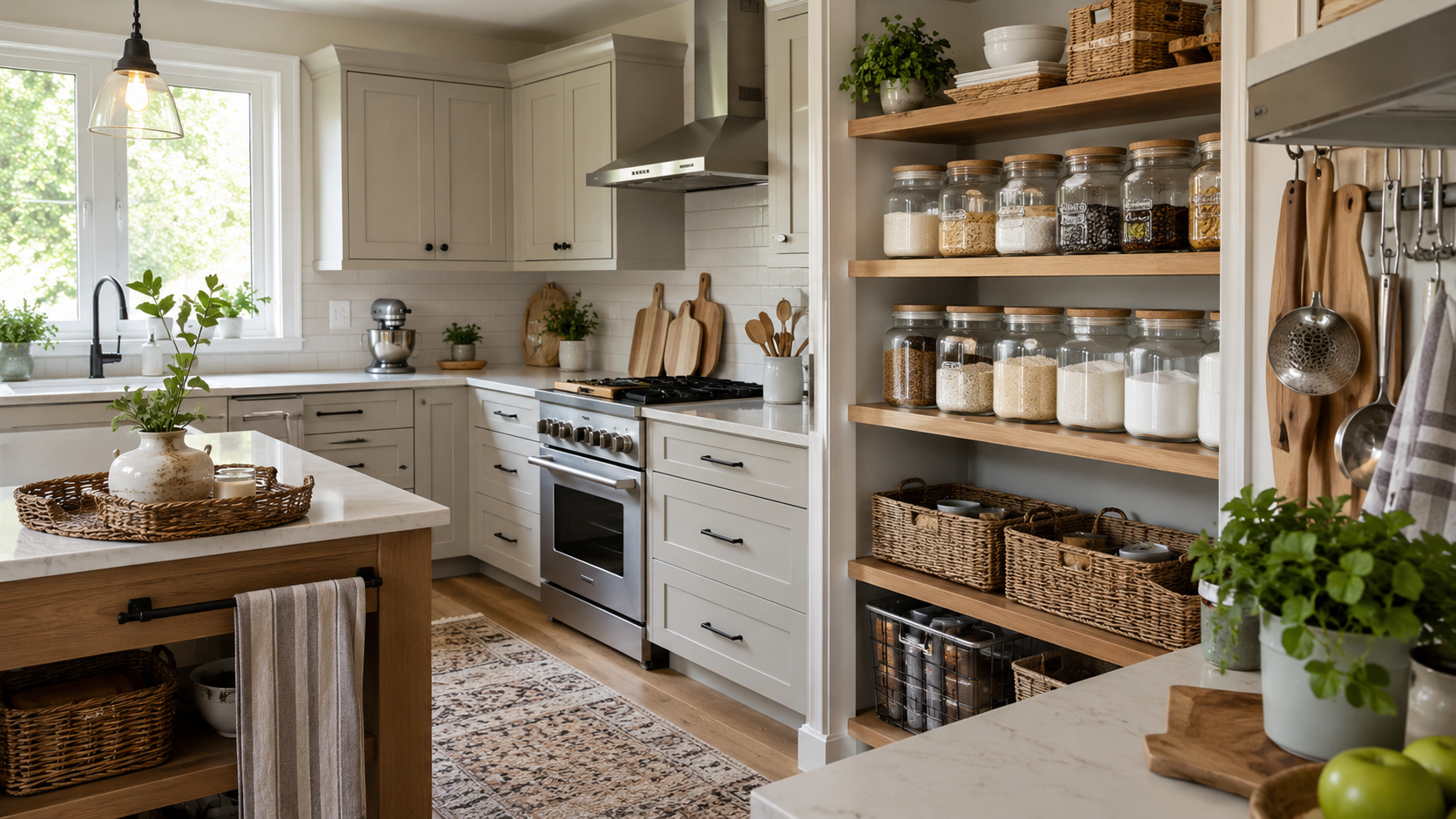
In the kitchen, focus on dishes, counters, sink, stove, refrigerator, pantry, and floor. Since the kitchen is used every day, it should receive daily attention.
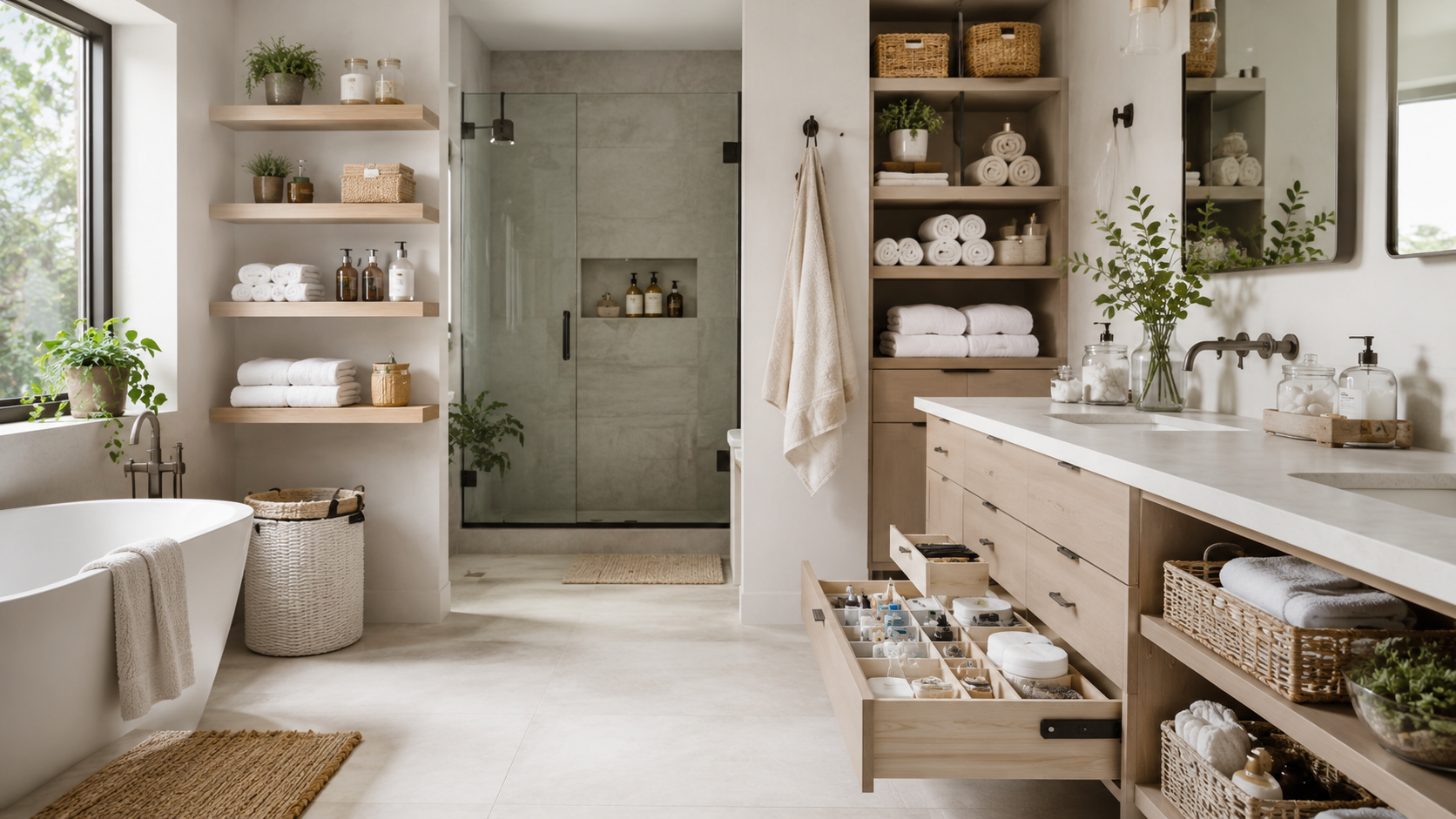
In the bathroom, focus on the sink, mirror, toilet, shower, floor, towels, and personal care products. Moisture and frequent use make bathroom cleaning very important.
In the bedroom, focus on the bed, clothes, bedside table, wardrobe, floor, and dust. A clean bedroom helps create a more relaxing space.
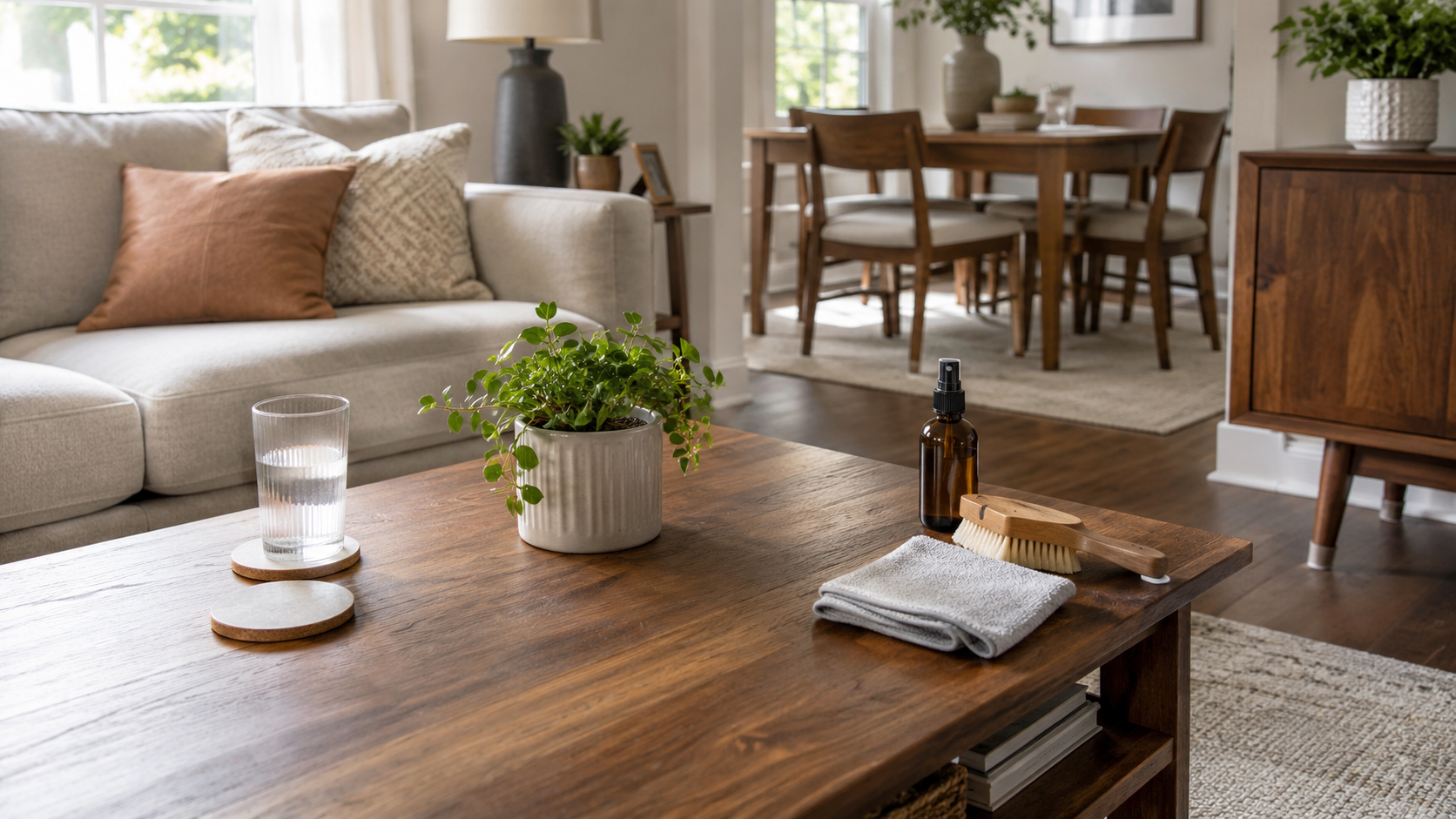
In the living room, focus on clutter, dust, sofas, pillows, blankets, electronics, shelves, and floor. Since this room is often used by everyone, a quick daily reset can help.
In the laundry area, focus on cleaning products, baskets, washing machine, floor, and storage shelves. Keeping this area organized makes laundry and home cleaning easier.
Certainly, your cleaning routine becomes much easier when supplies are organized and easy to find. If you waste time looking for cloths, gloves, brushes, or products, cleaning will feel more difficult.
First, gather your basic supplies in one place. You may need all-purpose cleaner, floor cleaner, glass cleaner, disinfectant, sponges, microfiber cloths, gloves, trash bags, broom, mop, and vacuum cleaner.
Then, separate products by use. Kitchen products, bathroom products, laundry products, and general cleaning products can stay in different baskets or shelves.
Moreover, check your supplies regularly. Replace empty bottles, wash dirty cloths, and remove products you no longer use. This keeps your cleaning area functional and safe.
Sometimes, the hardest part of cleaning is getting started. The 15-minute cleaning method can help because it makes the task feel smaller and more manageable.
Simply, choose one area, set a timer for 15 minutes, and clean as much as you can. You can clear the kitchen counter, organize the living room, fold clothes, clean the bathroom sink, or sweep the floor.
Surprisingly, a lot can be done in 15 minutes. This method is useful on busy days, when you feel tired, or when the house needs a quick improvement before visitors arrive.
Additionally, this method helps build consistency. Even when you cannot complete everything, you still make progress.
Unfortunately, many people create routines that are too complicated. A long list of tasks can look organized, but it may become impossible to follow.
Instead, start with a few essential tasks and add more only when the routine becomes natural. It is better to maintain a simple routine than to abandon a perfect one.
Another mistake is not adapting the routine when life changes. If your work schedule, family routine, or home situation changes, your cleaning routine should change too.
Also, avoid cleaning only when the house is already messy. Waiting too long makes tasks harder. Small daily actions are more effective than occasional emergency cleaning.
Realistically, not every day will be perfect. Some days will be busy, stressful, or tiring. That is why it helps to have a minimum cleaning routine for difficult days.
For example, your minimum routine can include washing dishes, taking out trash, wiping the kitchen counter, putting clothes in the laundry basket, and clearing the main living area.
Even if you do only these basic tasks, your home will remain more manageable. The goal is not perfection. The goal is to prevent the house from becoming overwhelming.
Then, when you have more time, you can return to the full routine.
Additionally, cleaning does not need to feel like punishment. Small changes can make the experience more pleasant.
For instance, you can listen to music, a podcast, or an audiobook while cleaning. You can open windows for fresh air, use cleaning products with mild pleasant scents, or reward yourself with a relaxing moment after finishing.
Furthermore, comfortable clothes and good tools can make cleaning easier. A quality mop, effective cloths, and organized supplies reduce effort and save time.
Most importantly, focus on the result. A clean and organized home brings comfort, peace, and a better environment for daily life.
Clearly, if more than one person lives in the house, cleaning should not depend on only one person. Everyone can help according to their age and ability.
For example, one person can take out the trash, another can wash dishes, another can vacuum, and another can organize the living room. Even small contributions make a big difference.
Besides that, shared responsibility helps keep the home clean for longer. When everyone understands the routine, it becomes easier to maintain order.
Therefore, create simple rules. Items should return to their places, dirty dishes should not stay around the house, and personal belongings should be organized by their owners.
Since this is part of home care, outdoor areas should also be included in your cleaning routine. A balcony, backyard, entrance, or garden can affect the appearance and comfort of the entire home.
First, sweep outdoor areas regularly. Leaves, dust, soil, and garden waste can accumulate quickly. Keeping these spaces clean makes the home feel more welcoming.
Next, organize gardening tools, plant pots, watering cans, and outdoor furniture. When these items have a proper place, the area looks better and becomes easier to use.
Also, check plants during your weekly routine. Remove dry leaves, observe soil moisture, and make sure plants are receiving enough light. Simple care keeps your garden healthier and more beautiful.
Finally, a cleaning routine should not be fixed forever. It should be reviewed and adjusted whenever necessary.
For example, after a few weeks, you may notice that some tasks need to be done more often, while others can be done less frequently. The kitchen may need daily attention, but a storage closet may only need monthly organization.
Additionally, seasonal changes can affect your routine. During rainy periods, floors may get dirty faster. During warmer months, outdoor areas and gardens may need more attention.
Therefore, review your routine regularly and improve it based on your real needs.
In conclusion, creating an easy home cleaning routine is one of the most practical ways to keep your house clean, pleasant, and organized. Instead of waiting for mess to accumulate, you can use small daily habits, weekly tasks, and monthly deep cleaning to maintain your home with less stress.
Overall, the best routine is simple, realistic, and flexible. It should match your schedule, your home size, your family needs, and your lifestyle. You do not need to clean perfectly every day. You only need a system that helps you stay consistent.
Finally, remember that a clean home is built through small actions repeated over time. With a good routine, your home can become more comfortable, functional, and welcoming every day.