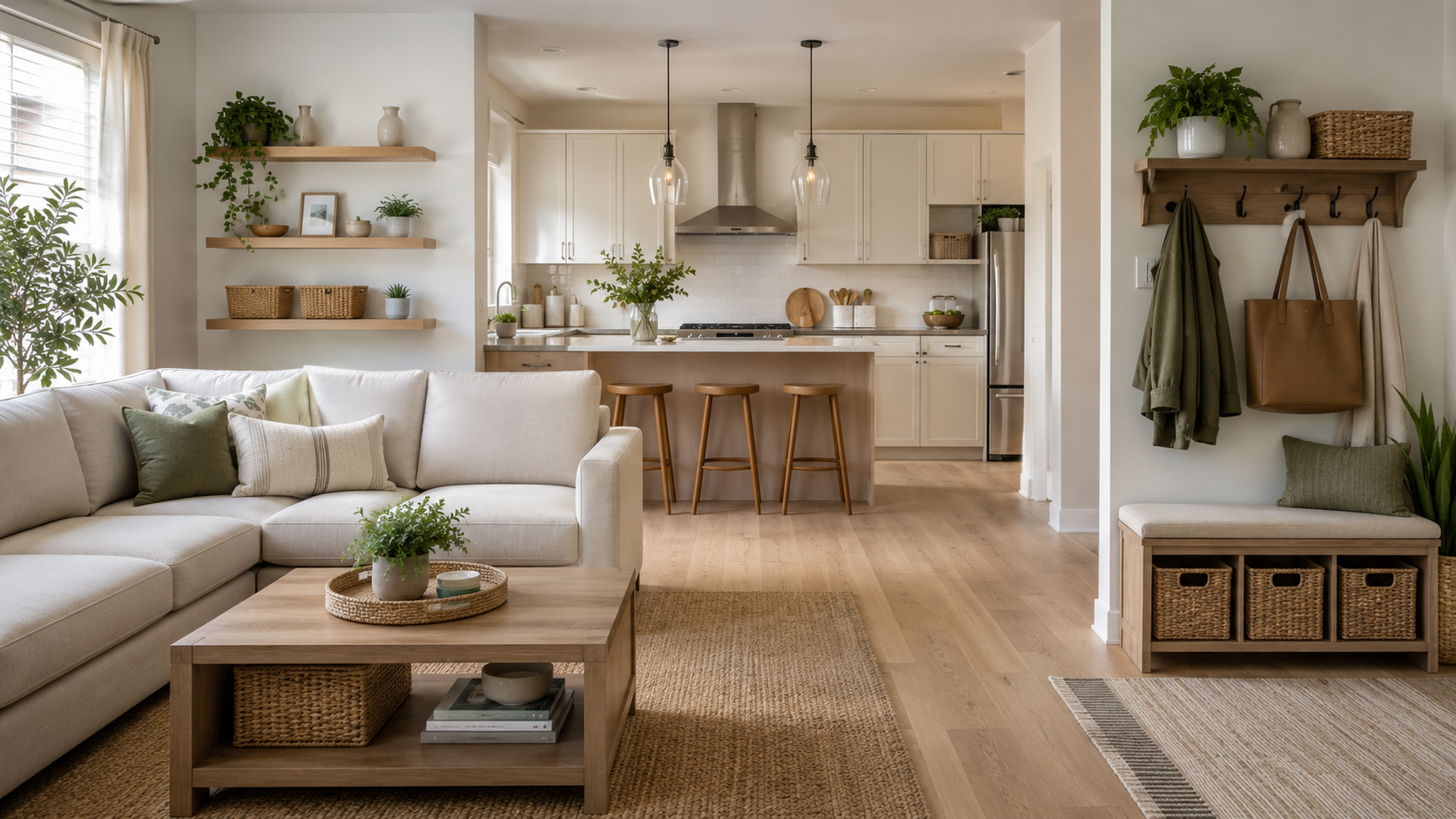
How to Plan a More Organized and Easy-to-Maintain Home

Firstly, organizing every room in your home may seem like a big challenge, especially when each space has different functions, objects, and daily needs. The kitchen needs practical storage for food and utensils. The bedroom needs calm and comfort. The bathroom needs hygiene and simplicity. The living room needs balance between beauty and functionality.
However, a well-organized home does not happen by accident. It is created through simple decisions, practical habits, and smart storage solutions that match your lifestyle. When every room has a clear purpose and every item has a proper place, the entire house becomes easier to clean, maintain, and enjoy.
Therefore, this complete guide will help you organize each room in your home step by step. You will learn how to reduce clutter, improve storage, make daily routines easier, and create a more comfortable living environment.
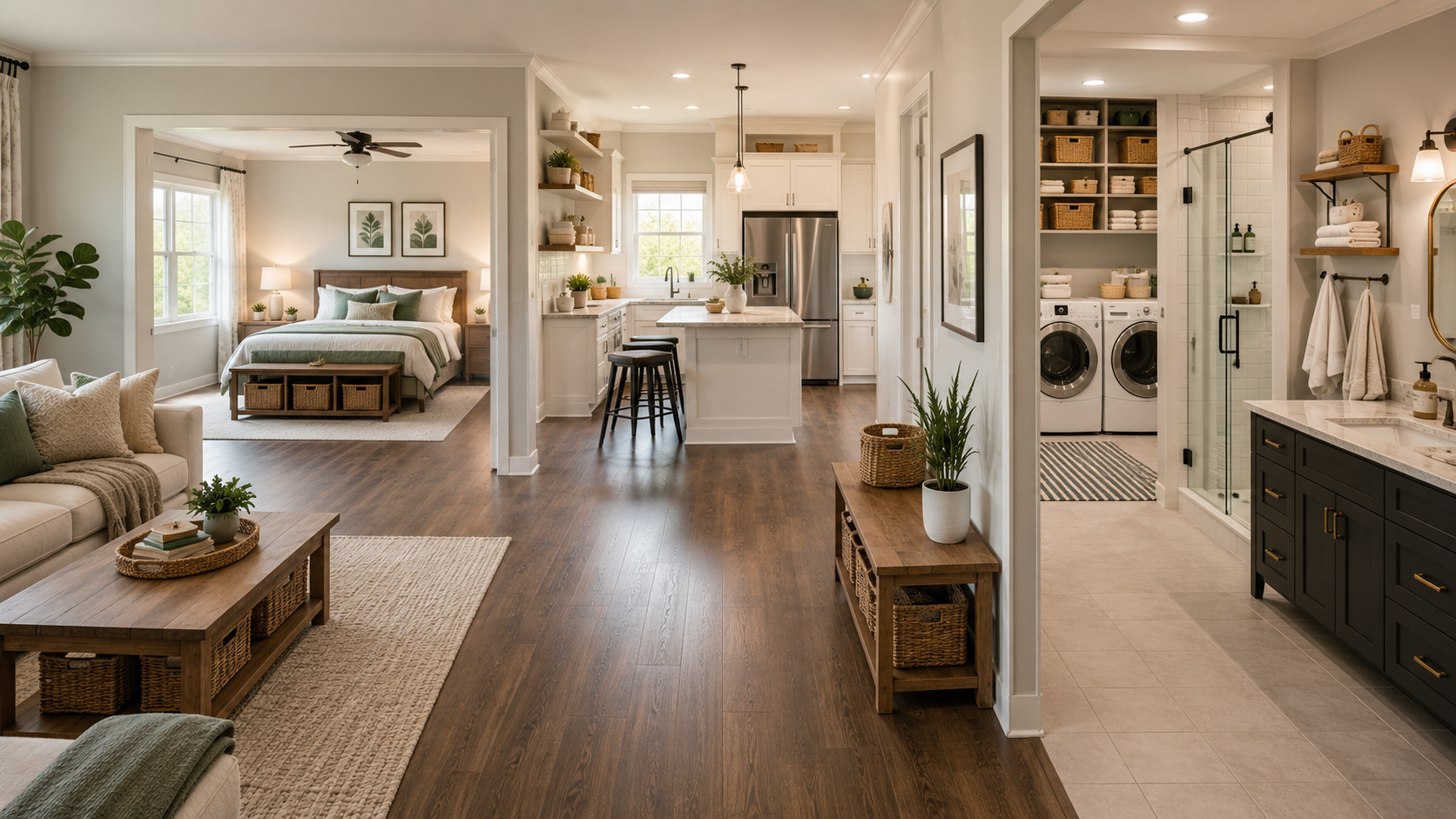
Before anything else, it is important to look at your home as a complete system. Every room is connected in some way. When the entrance is messy, shoes and bags may spread to the living room. When the laundry area is disorganized, clean clothes may pile up in the bedroom. When the kitchen lacks storage, food and utensils may end up on counters.
For this reason, start with a simple plan. Walk through your home and observe which areas create the most stress or waste the most time. Maybe the kitchen cabinets are too full. Maybe the bathroom sink is always crowded. Maybe the living room collects random objects every day.
Then, choose one room at a time. Trying to organize the whole house in one day can be exhausting. Instead, focus on completing one space before moving to the next. This creates visible progress and makes the process easier to continue.
Most importantly, do not organize items you do not need. Decluttering is the first step in every room because too many objects make organization difficult. A cabinet full of unused things will never feel truly functional, no matter how many boxes or baskets you buy.
To begin, separate items into clear categories: keep, donate, recycle, repair, or discard. This method works in any room. Clothes, dishes, papers, cleaning products, decorations, tools, toys, and garden items can all be reviewed using the same process.
Additionally, ask practical questions. Do you use this item regularly? Is it in good condition? Does it belong in this room? Does it make your daily life easier? If the answer is no, it may be time to let it go or move it to a better place.
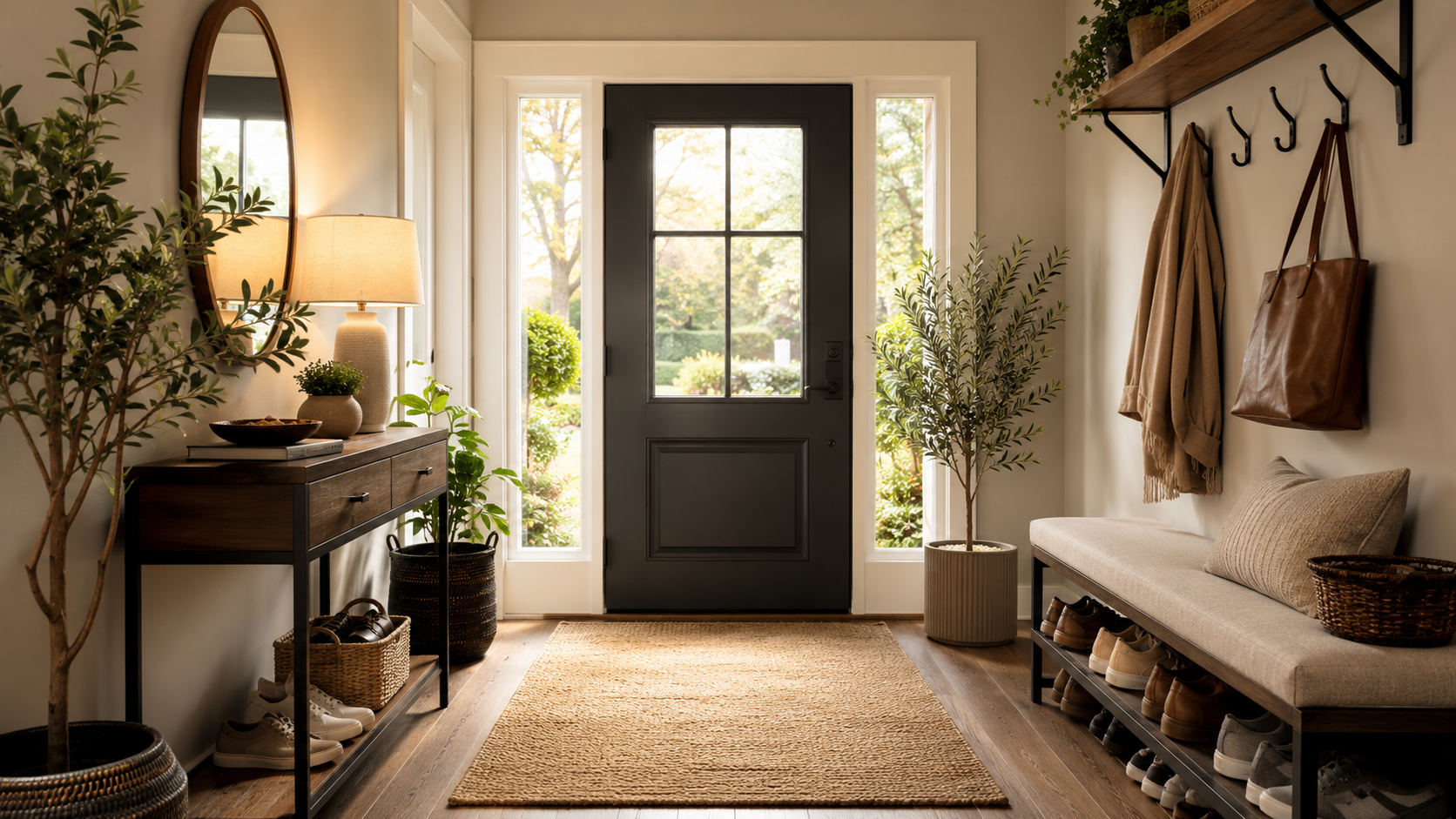
Firstly, the entrance is one of the most important areas of the home because it creates the first impression. It is also the place where daily items often accumulate, such as keys, shoes, bags, umbrellas, mail, and jackets.
Therefore, create a simple drop zone. A small table, wall hooks, a shoe rack, a basket, or a key holder can make the entrance more functional. The goal is to give everyday objects a clear place so they do not spread throughout the house.
Moreover, avoid overcrowding this area. Keep only what is necessary near the door. Seasonal items, extra shoes, old mail, and unused bags should be moved to proper storage. A clean entrance makes the entire home feel more welcoming and organized.
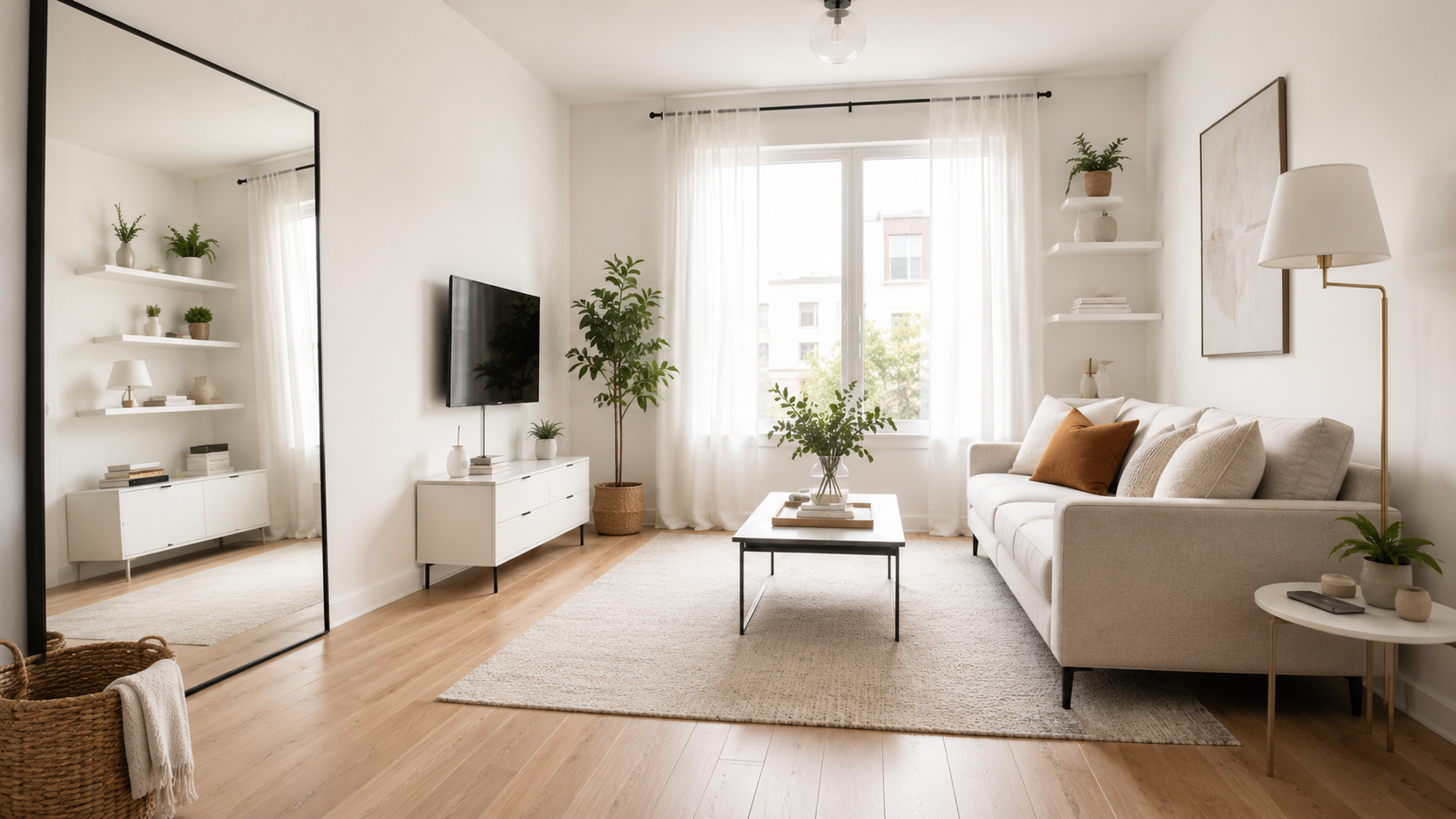
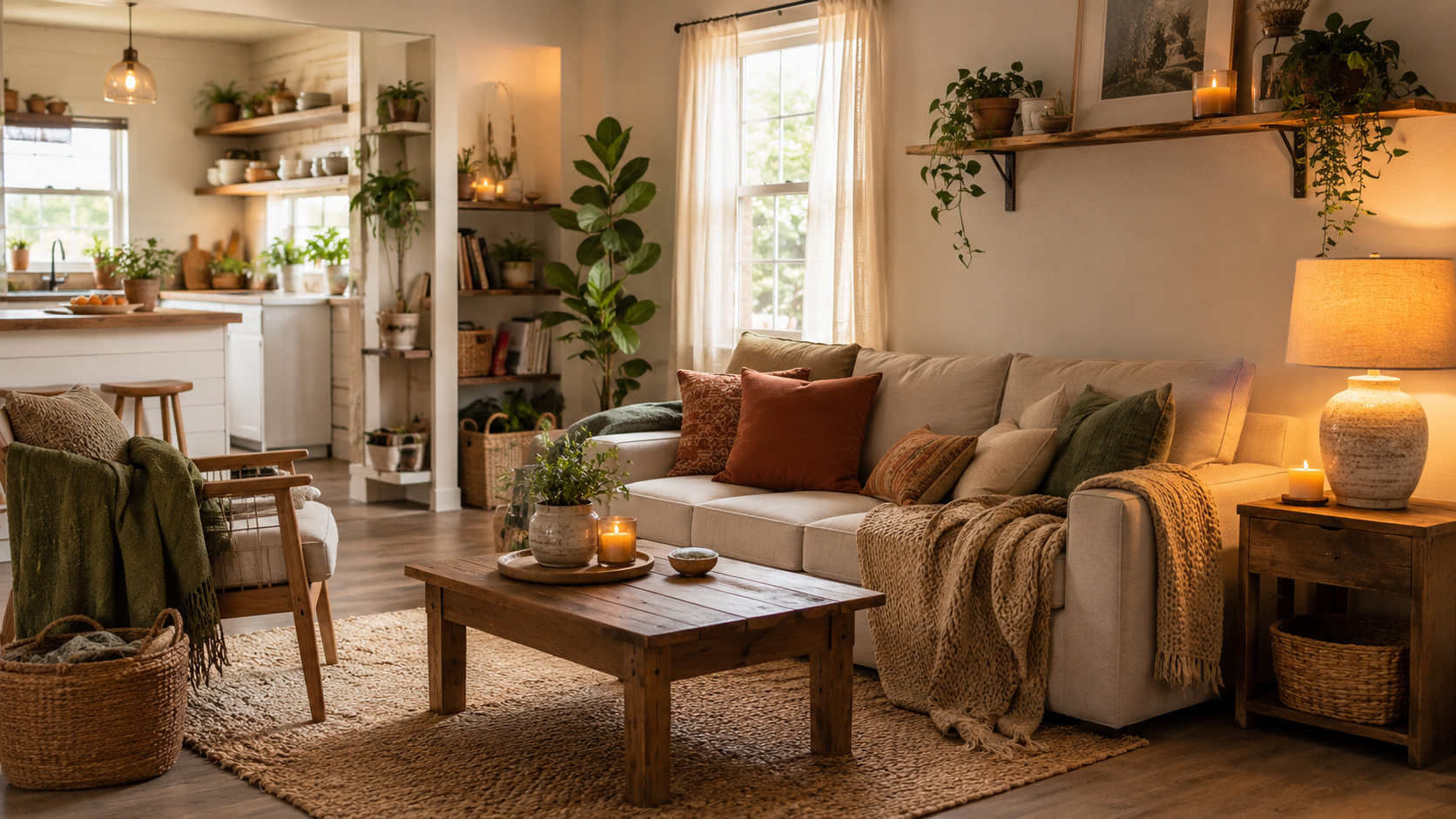
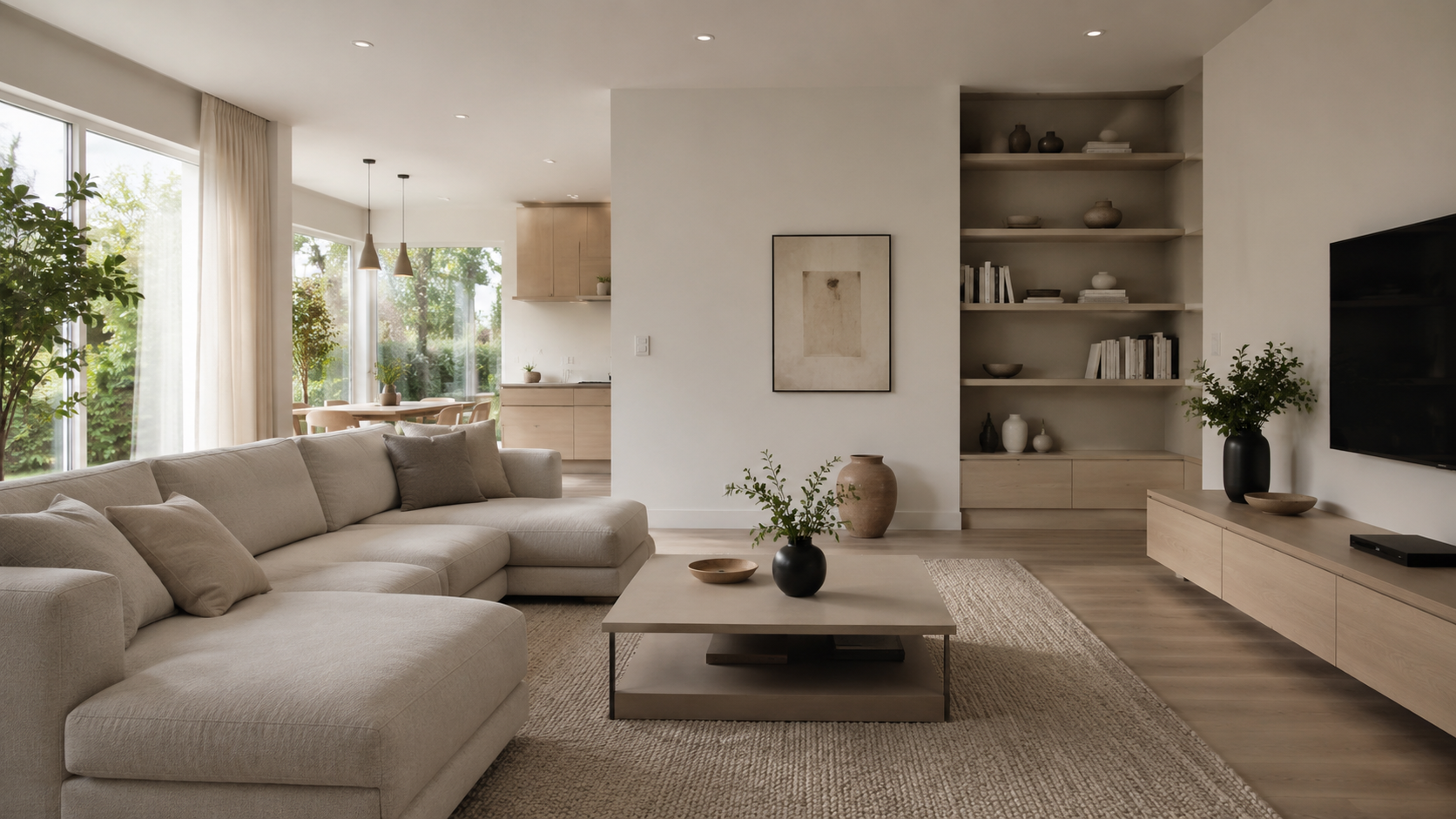
Usually, the living room is used for relaxing, watching television, receiving guests, reading, or spending time with family. Because it is a shared space, it can quickly collect objects from other rooms.
First, remove anything that does not belong there. Dishes should return to the kitchen. Clothes should go to the bedroom or laundry basket. Papers should be filed, recycled, or placed in an office area. Toys, books, and electronics should have proper storage.
Next, organize the items that truly belong in the living room. Use baskets for blankets, trays for remote controls, shelves for books, and cabinets for electronic accessories. These small systems help keep the room neat without making it feel too formal.
Also, be careful with decorations. A few well-chosen pieces can make the room beautiful and cozy, but too many objects can create visual clutter. Leave some empty space on shelves and tables to make the room feel lighter and easier to clean.
Certainly, the kitchen is one of the busiest rooms in the house. It needs to be clean, safe, and practical because it is used every day for cooking, eating, and storing food.
To start, empty one cabinet or drawer at a time. Remove expired food, broken utensils, repeated items, and anything you no longer use. Avoid emptying the entire kitchen at once, because it can become overwhelming.
Then, group similar items together. Plates, glasses, cups, pans, spices, baking items, food containers, cleaning products, and pantry goods should each have a specific area. This makes it easier to find what you need.
Furthermore, place frequently used items in easy-to-reach locations. Everyday plates should be accessible. Pots and pans should be near the stove. Knives and cutting boards should be near the preparation area. Coffee supplies should stay near the coffee maker.
Finally, keep the countertops as clear as possible. A clear counter gives you more space to cook and makes the kitchen easier to clean. Leave only essential items visible.
In addition, the pantry deserves special attention because it affects meal planning, grocery shopping, and food waste. A disorganized pantry can make you forget what you already have.
First, check expiration dates and remove items that are no longer safe to use. Then, group foods by category, such as grains, pasta, canned goods, breakfast items, snacks, baking supplies, spices, and beverages.
After that, use transparent containers, baskets, or labels when helpful. You do not need expensive organizers, but clear categories make the pantry easier to maintain.
Also, place older items toward the front and newer items toward the back. This simple method helps you use food before it expires and reduces waste.
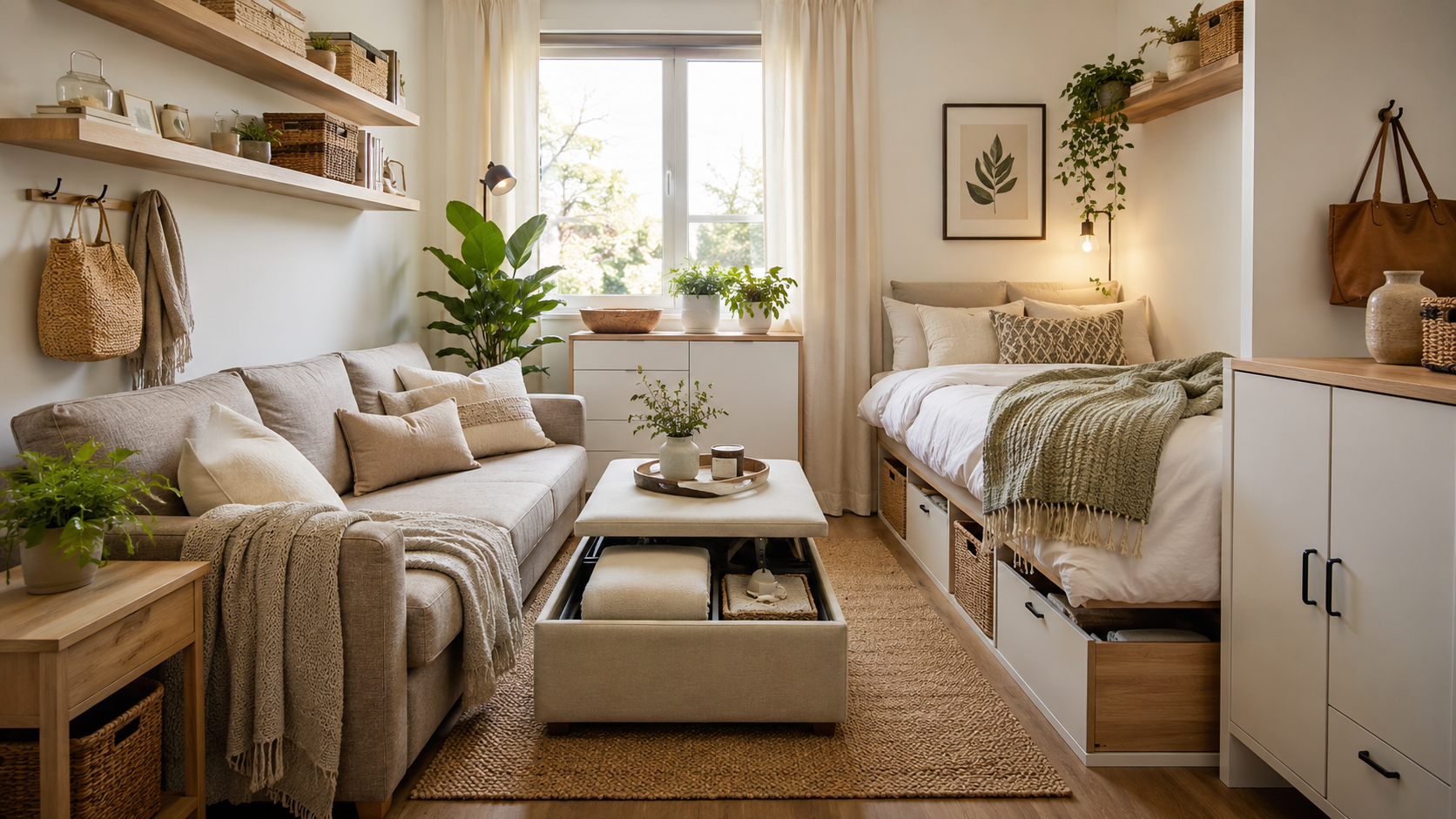
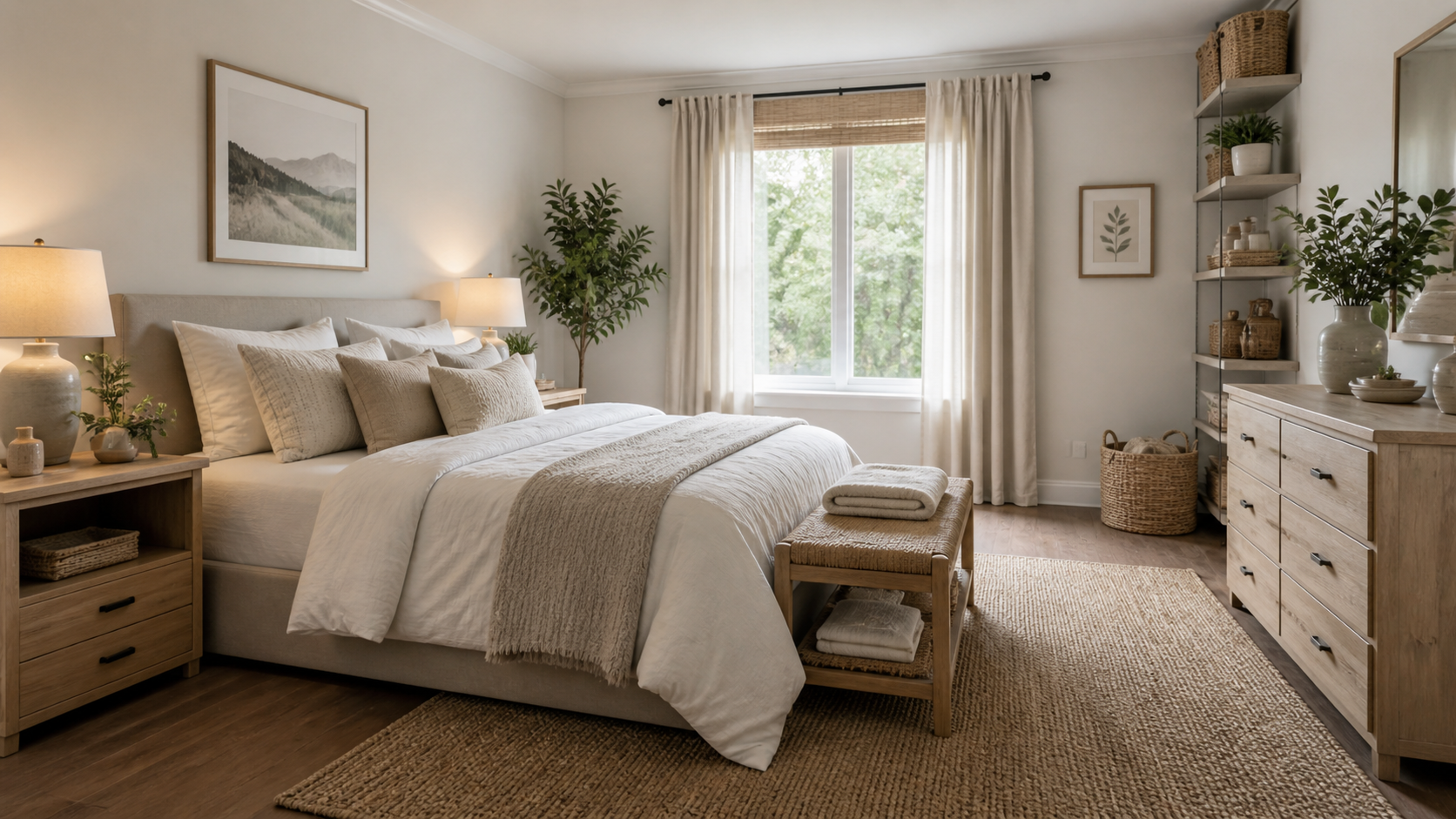
Naturally, the bedroom should be a peaceful place for rest. However, it often becomes crowded with clothes, shoes, accessories, books, personal items, and objects that do not have a home.
Firstly, begin with visible clutter. Remove cups, papers, laundry, bags, and anything that does not belong in the room. Then, focus on the wardrobe, drawers, and bedside tables.
Next, organize clothes by category. Keep shirts with shirts, pants with pants, pajamas with pajamas, and jackets with jackets. You can also organize by color or frequency of use if that makes your routine easier.
Additionally, avoid overcrowding bedside tables. A lamp, a book, and one or two useful items are usually enough. A clean bedside area helps the bedroom feel calmer and more relaxing.
Finally, create a daily habit of making the bed. This small action immediately makes the room look more organized and sets a positive tone for the day.
Importantly, the wardrobe is one of the most common sources of clutter. Clothes accumulate over time, and many people keep pieces they no longer wear.
To begin, remove clothes that do not fit, are damaged beyond repair, or are never used. Donate pieces that are still in good condition but no longer serve your lifestyle.
Then, create sections inside the wardrobe. Separate daily clothes, work clothes, special occasion pieces, shoes, accessories, and seasonal items. This makes it easier to choose outfits and return items to their places.
Moreover, use storage solutions such as drawer dividers, hangers, boxes, and baskets. However, remember that organizers work best after decluttering. They should support the system, not hide excess items.
Generally, bathrooms are small spaces with many products. Personal care items, towels, cosmetics, cleaning supplies, and hygiene products can quickly create clutter.
First, remove expired products, empty bottles, old cosmetics, and items you no longer use. Keeping too many products in the bathroom makes cleaning harder and takes up valuable space.
Next, divide items by use. Daily products should be easy to access. Extra products can stay in baskets, drawers, or cabinets. Towels should be folded neatly and stored in a dry area.
Also, keep the sink area simple. Too many items on the counter make the bathroom look messy. Use a small tray or organizer for essentials, and store the rest away.
Furthermore, pay attention to humidity. Good ventilation helps prevent moisture problems and keeps the bathroom fresher.
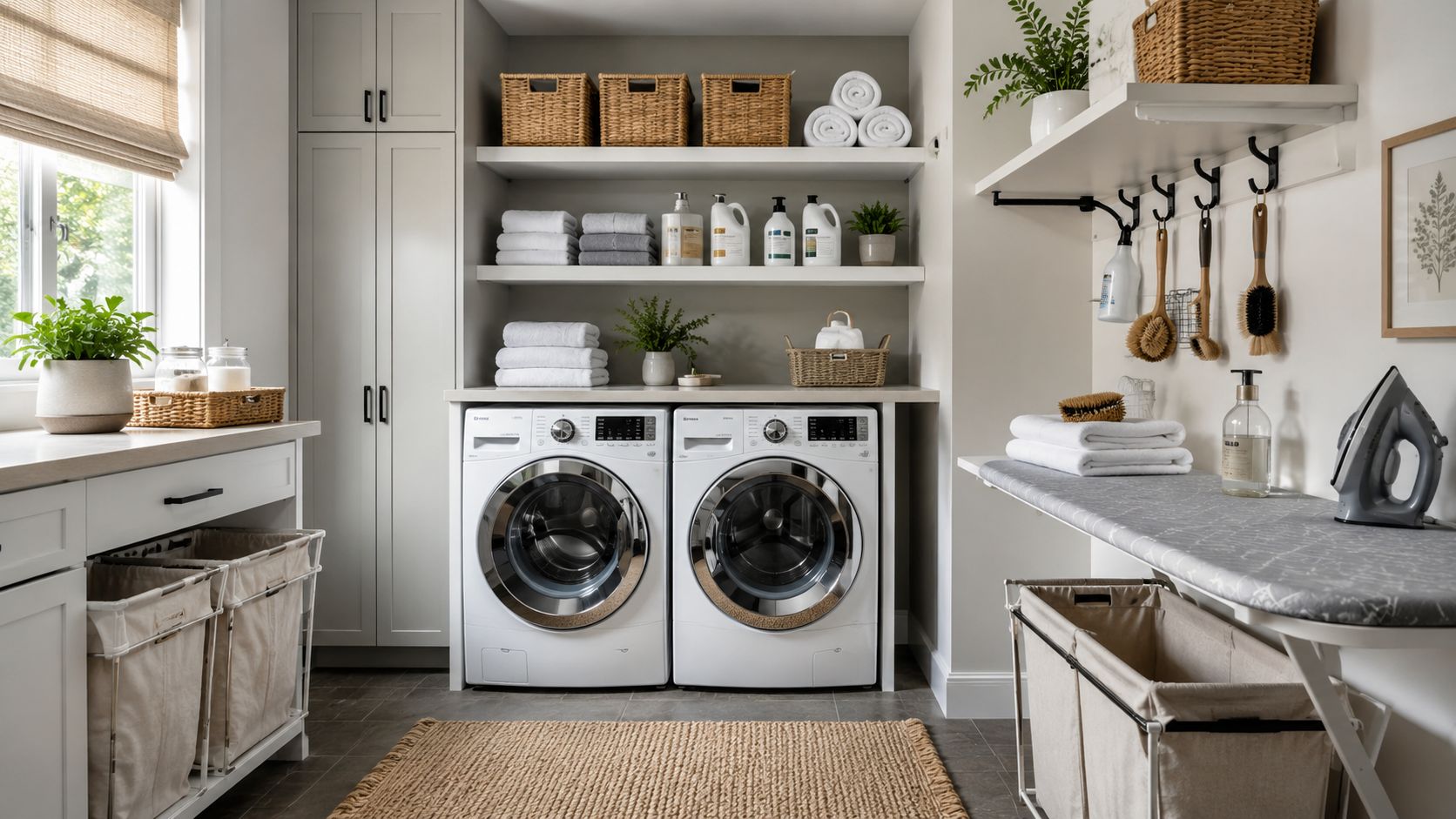
Although the laundry area is often small, it needs good organization because it stores cleaning products, laundry items, baskets, cloths, and sometimes tools.
Firstly, separate laundry products from general cleaning products. Keep detergent, fabric softener, stain remover, and clothespins together. Keep floor cleaners, bathroom cleaners, gloves, and sponges in another section.
Next, use shelves, hooks, and vertical storage. Brooms, mops, dustpans, and brushes can be stored on wall hooks to save floor space. Baskets can separate clean clothes, dirty clothes, and cleaning cloths.
Most importantly, store cleaning products safely. If there are children or pets in the home, products should be kept in high or locked cabinets.
Nowadays, many homes have a small office or study corner. This space needs to be organized because papers, cables, notebooks, and office supplies can quickly become messy.
First, clear the desk. Keep only essential items on the surface, such as a computer, notebook, pen holder, and lamp. A clean desk helps improve focus and productivity.
Then, organize papers into categories. Documents can be filed, scanned, recycled, or stored in labeled folders. Avoid keeping random papers in piles because they become difficult to manage.
Additionally, control cables with clips, ties, or cable boxes. Tangled cables make the area look messy and can make cleaning harder.
If your home has children’s areas, organization should be simple and easy to maintain. Children are more likely to help when storage is clear and accessible.
Firstly, use low shelves, baskets, and labeled containers. Toys, books, art supplies, school materials, and clothes should each have their own place.
Also, rotate toys if there are too many. Keeping fewer toys available at one time can reduce clutter and make play areas easier to clean.
Moreover, create a simple cleanup routine. A few minutes of tidying at the end of the day can keep children’s spaces from becoming overwhelming.
Often, storage areas become places where people put anything they do not want to deal with. Closets, garages, cabinets, and spare rooms can quickly fill with forgotten objects.