How to Plan a More Organized and Easy-to-Maintain Home

Firstly, planning a more organized and easy-to-maintain home is one of the best ways to make daily life simpler. A home that is difficult to clean, full of clutter, or poorly arranged can make simple tasks feel tiring. On the other hand, a well-planned home supports your routine, saves time, reduces stress, and makes each room more pleasant to use.
Moreover, an organized home does not need to be perfect, expensive, or professionally designed. The most important thing is that each space has a clear function, each item has a proper place, and the cleaning routine is realistic. When your home is planned around your real lifestyle, it becomes much easier to maintain.
Therefore, this guide will show you how to plan a more organized and easy-to-maintain home. You will learn how to define room functions, reduce excess objects, create storage systems, simplify cleaning, improve furniture layout, and build habits that keep your home practical every day.
Before anything else, a home should work for the people who live in it. That is why the first step is to understand your daily routine. A house can look beautiful, but if it does not support everyday habits, it will quickly become messy.
For example, if you always leave keys near the entrance, create a key station there. If shoes pile up by the door, add a shoe rack or basket. If papers collect on the kitchen counter, create a small paper organizer. If laundry spreads through the bedroom, place a laundry basket in a convenient location.
Additionally, observe where clutter appears most often. These areas usually reveal where your home needs better planning. Instead of fighting your habits, create simple systems that guide them in a better direction.
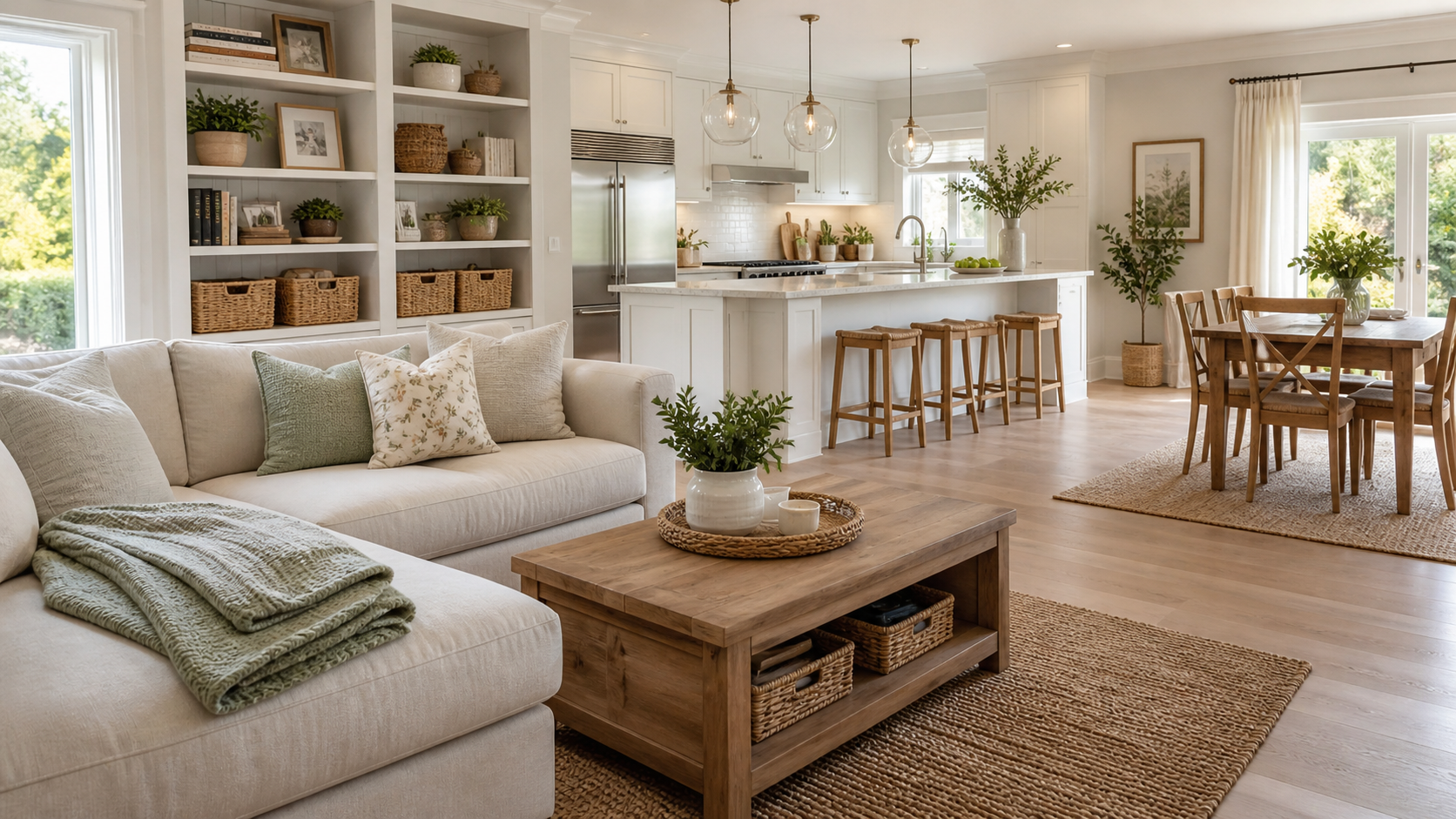
Importantly, every room should have a clear purpose. When one space tries to do too many things without organization, clutter appears quickly. A living room can be for relaxing, reading, watching television, and receiving guests, but it still needs clear storage for each activity.
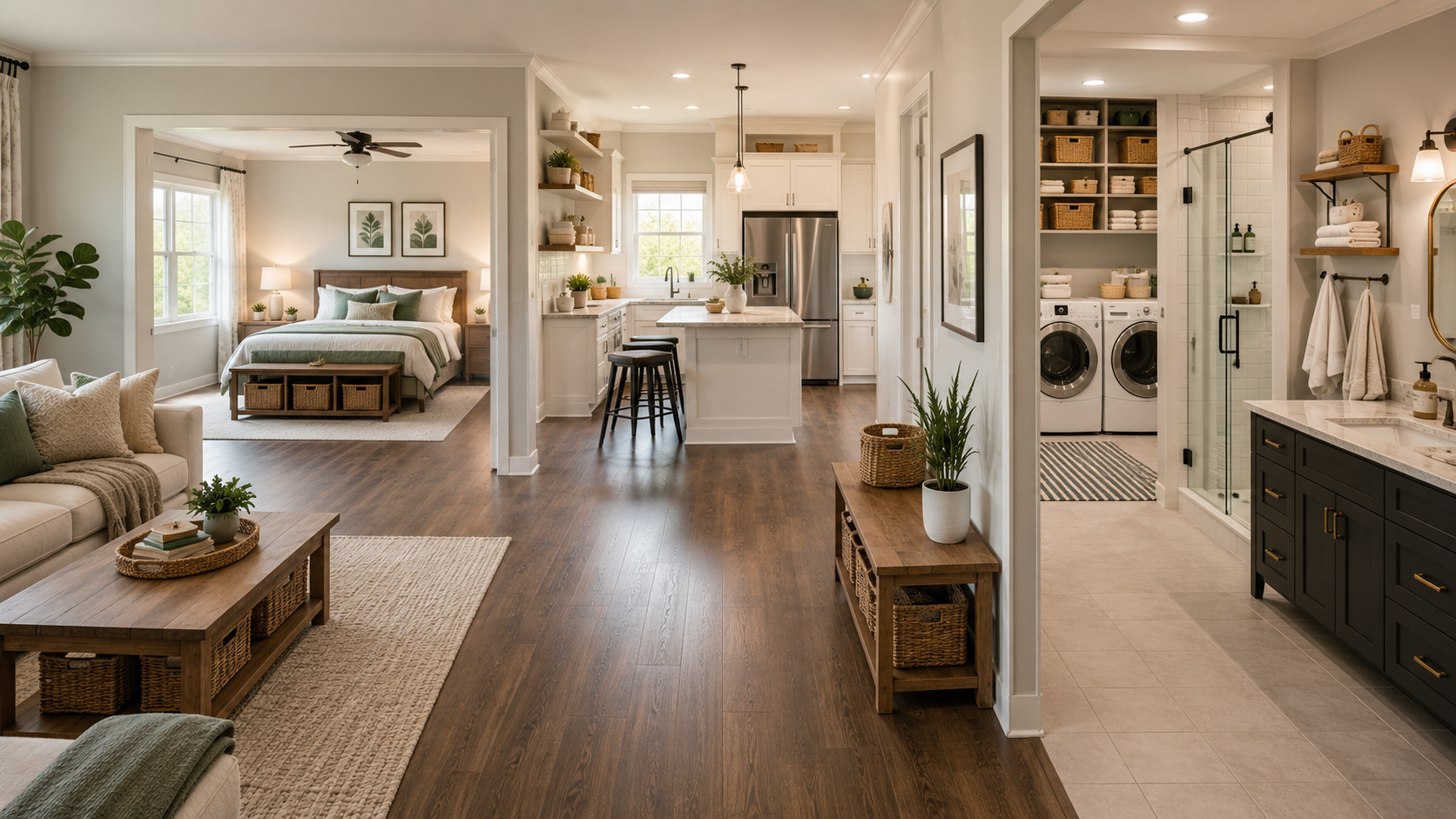
To begin, walk through your home and ask what each room is mainly used for. The kitchen is for cooking and storing food. The bedroom is for rest and personal items. The bathroom is for hygiene. The laundry area is for washing and cleaning supplies. The garden or balcony may be for plants, relaxation, or outdoor meals.
Then, remove items that do not match the purpose of each space. Tools should not stay on the dining table. Clothes should not stay in the living room. Garden supplies should not mix with kitchen items. When each room has a clear function, the home becomes easier to maintain.
Certainly, storage is important, but it should not be used to hide unnecessary objects. Before buying baskets, shelves, cabinets, or boxes, declutter first. Otherwise, you may end up organizing things that you do not actually need.
First, review your belongings by category. Look at clothes, kitchen utensils, cleaning products, decorations, papers, tools, garden supplies, books, and personal items. Decide what is useful, what is meaningful, and what is only taking up space.
Next, separate items into keep, donate, recycle, repair, or discard. Items in good condition that no longer serve your life can be donated. Broken or unusable items should be handled responsibly.
Overall, a home with fewer unnecessary objects is naturally easier to clean, organize, and maintain.
Clearly, one of the main secrets of an organized home is giving every item a proper place. When objects do not have a defined location, they end up on counters, chairs, tables, floors, and random drawers.
For example, keys can stay near the entrance, cleaning products can stay in the laundry area, garden tools can stay in a storage box, documents can stay in labeled folders, and daily kitchen utensils can stay near the cooking area.
Additionally, the place should be logical. Items used every day should be easy to reach. Items used occasionally can stay in higher shelves, closed cabinets, or labeled containers.
Ultimately, the easier it is to put something away, the more likely it is that the home will stay organized.
Naturally, storage solutions should match your routine, not just look beautiful. A storage system that is complicated or difficult to access will probably not last.
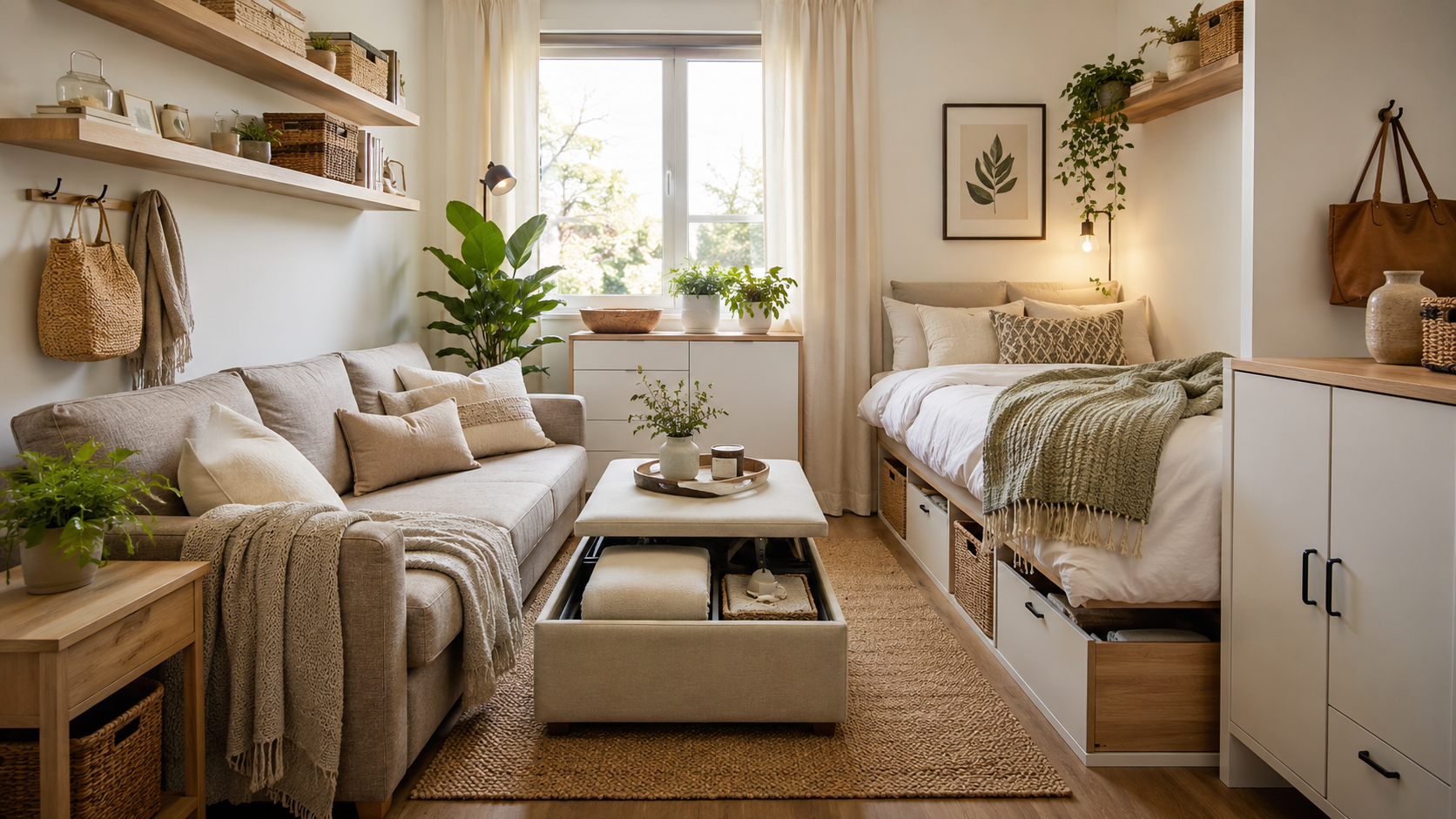
For instance, if your family uses blankets in the living room every day, a decorative basket near the sofa may work better than storing them in a closet. If children use toys daily, low baskets are easier than high shelves. If you garden often, tools should be accessible but organized.
Moreover, choose storage based on the type of item. Drawers work well for small objects. Baskets are good for soft items and quick storage. Closed cabinets are useful for things that are not visually attractive. Shelves are practical for items that should remain visible.
Therefore, good storage is not only about hiding things. It is about making daily life easier.
Another important planning principle is keeping surfaces clear. Tables, countertops, desks, shelves, and bedside tables can quickly become clutter zones if they do not have limits.
To prevent this, decide what belongs on each surface. A kitchen counter may hold a coffee maker and fruit bowl. A bedside table may hold a lamp and book. A living room table may hold a tray and remote controls.
Additionally, avoid using surfaces as temporary storage. Mail, clothes, receipts, tools, and random objects should go to their proper places quickly.
Overall, clear surfaces make the home look cleaner, reduce visual clutter, and make cleaning faster.
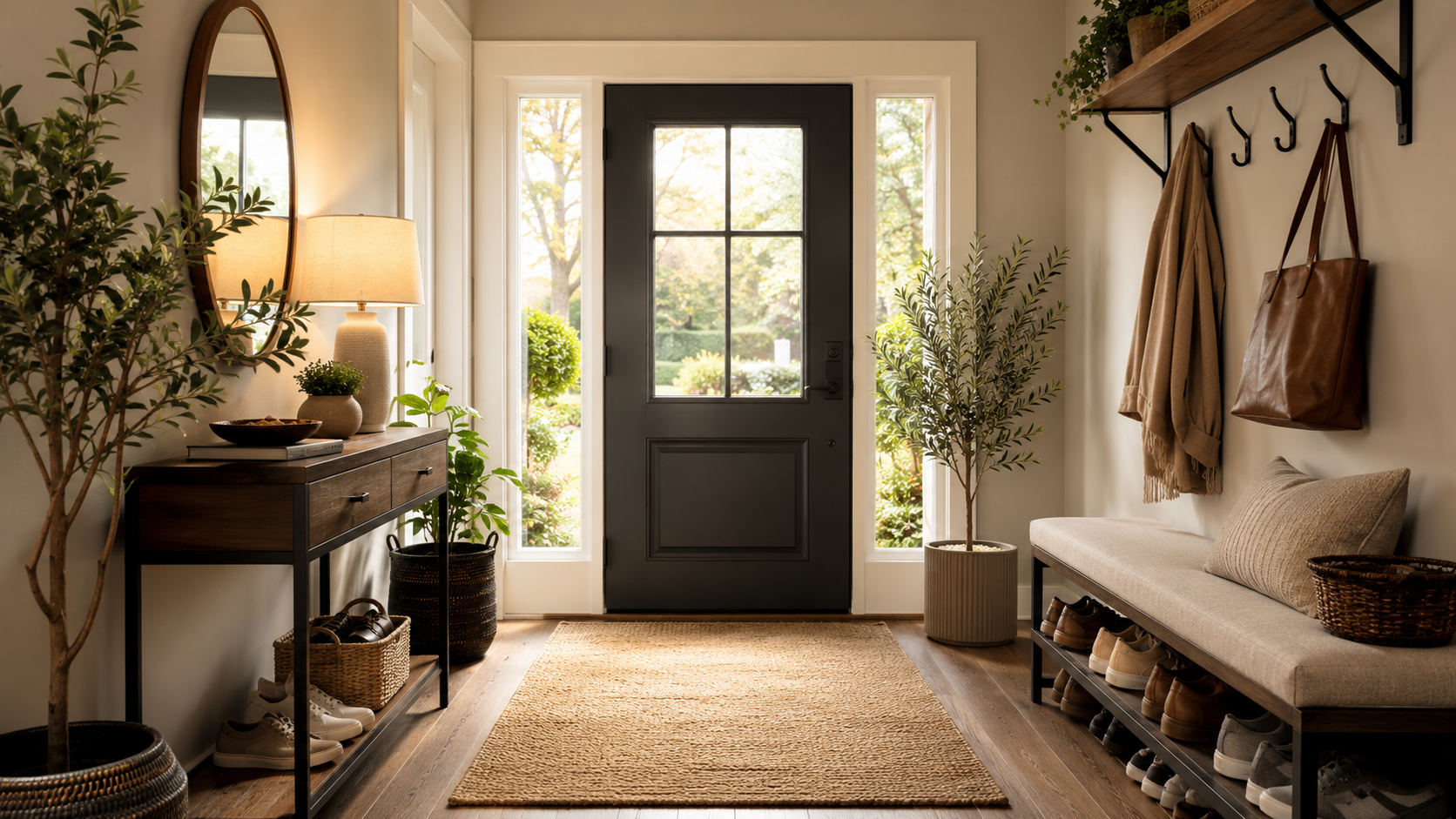
Usually, the entrance is one of the most important areas for organization because it receives many daily items. Shoes, keys, bags, mail, umbrellas, and jackets often accumulate there.
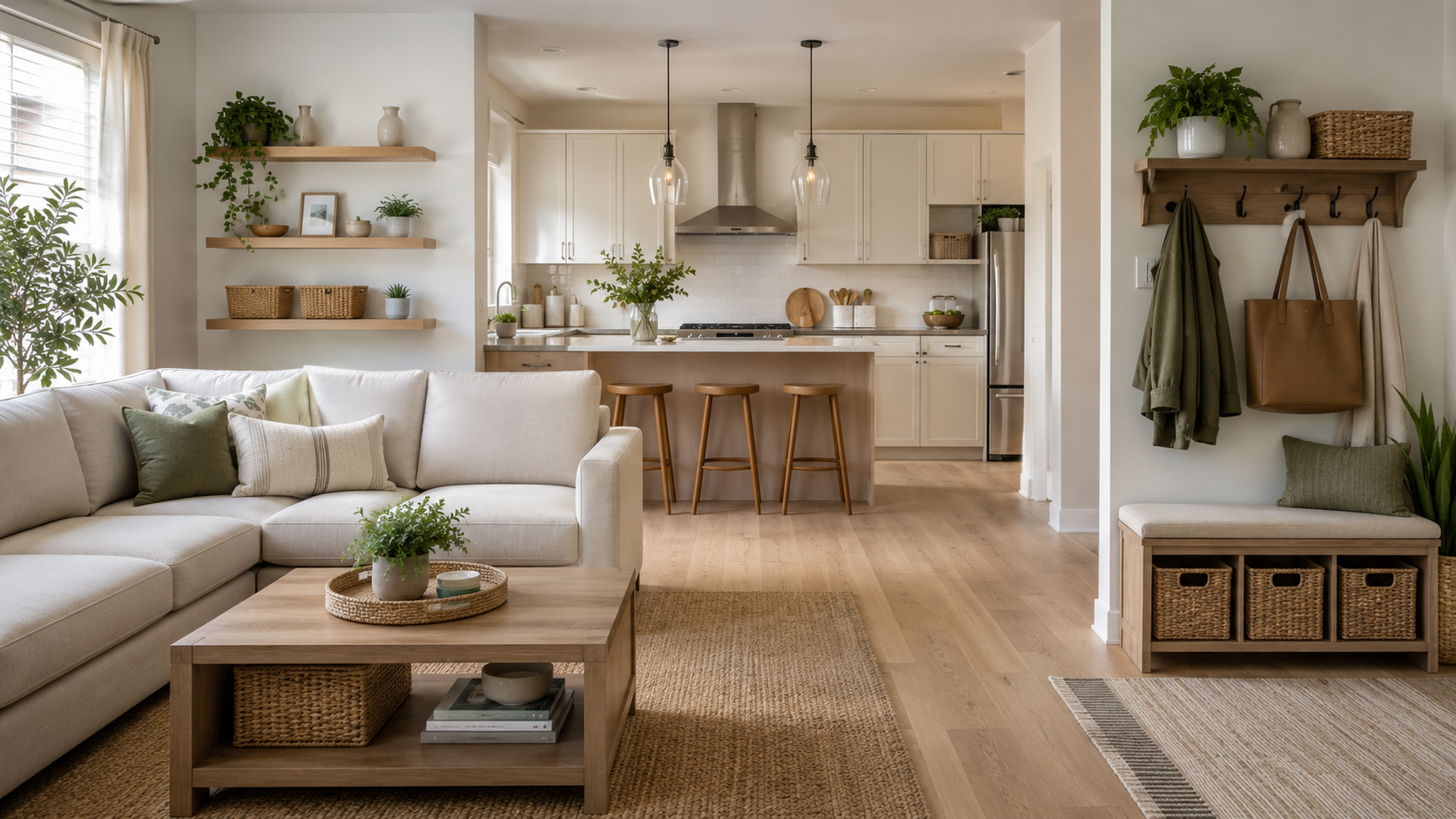
First, create a small entrance system. This may include a key holder, shoe rack, hooks, basket, mirror, or narrow table. Even a small apartment entryway can become functional with the right setup.
Next, limit what stays near the entrance. Only daily-use items should remain there. Extra shoes, seasonal coats, old mail, and rarely used bags should be stored elsewhere.
Furthermore, keeping the entrance organized creates a better first impression and prevents clutter from spreading into the rest of the home.
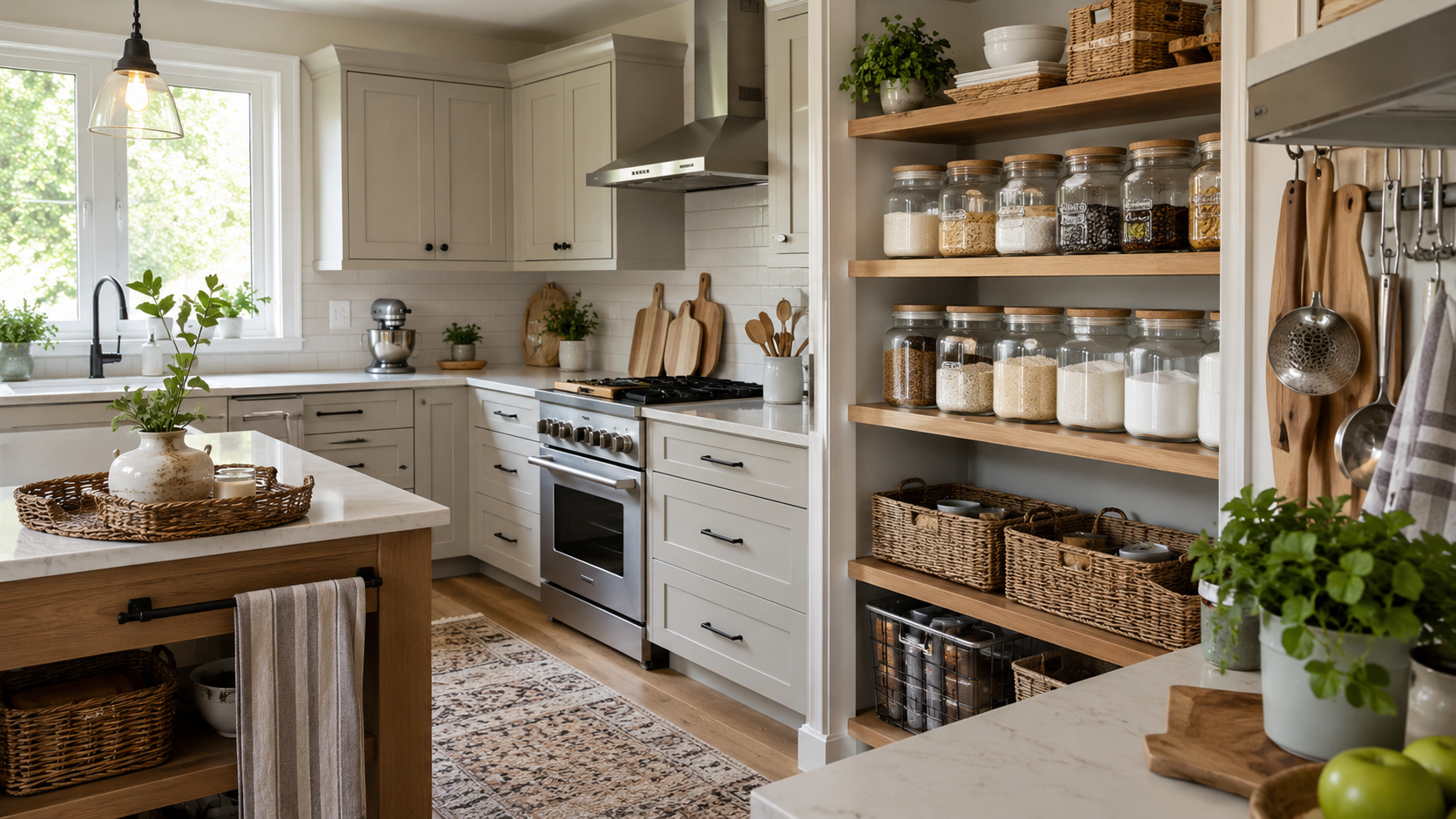
Certainly, the kitchen should be planned around the way you cook and clean. A kitchen that is organized by function makes daily tasks much easier.
To begin, create zones. Keep pots and pans near the stove, cutting boards and knives near the preparation area, dishes near the serving area, and cleaning supplies near the sink.
Additionally, keep countertops mostly clear. Store appliances that are not used daily and keep only essentials visible. This gives you more space to cook and makes cleaning faster.
Moreover, review the pantry regularly. Group foods by category, remove expired items, and place older products in front so they are used first.
Naturally, the bedroom should be calm and simple to care for. Since it is a place for rest, too much clutter can make the room feel uncomfortable.
First, organize clothes properly. Use categories in the wardrobe, such as shirts, pants, pajamas, jackets, shoes, and accessories. Keep dirty clothes in a laundry basket and return clean clothes to their place quickly.
Next, keep bedside tables simple. A lamp, book, and one or two useful items are usually enough. Too many objects create visual clutter and make dusting harder.
Additionally, choose bedding that is comfortable but easy to arrange. A bed that is simple to make every morning helps the whole room look organized.
Usually, bathrooms are small, so they need practical organization. Too many products on the sink, shower shelf, or cabinet can make the space look messy and harder to clean.
To improve the bathroom, keep only daily products accessible. Extra items can stay in baskets, drawers, or cabinets. Empty bottles and expired products should be removed regularly.
Moreover, use hooks, small shelves, trays, or drawer dividers to keep items separated. Towels should have a dry and organized place.
Additionally, ventilation is important. A bathroom that stays dry and fresh is easier to maintain and more pleasant to use.
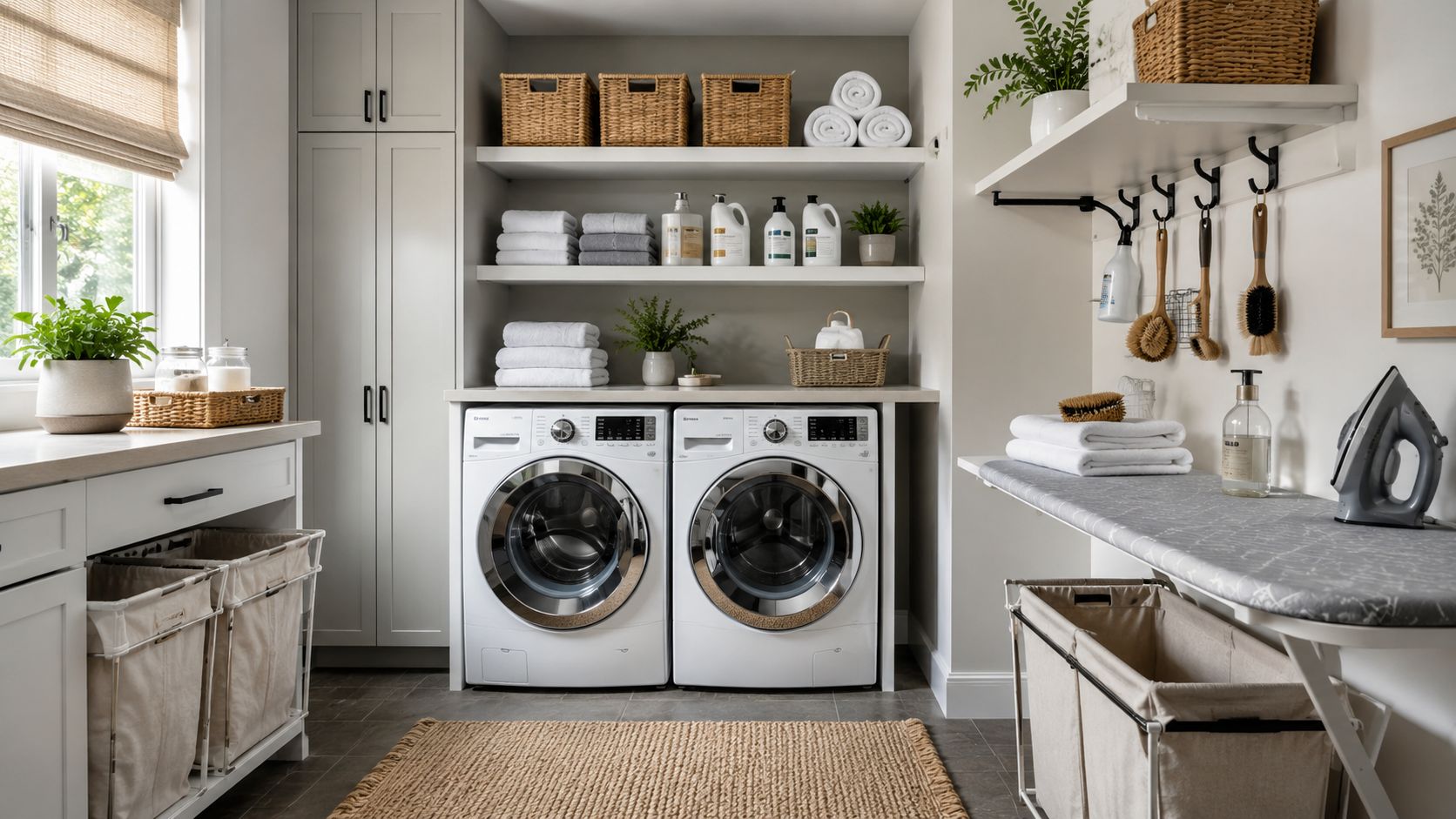
Clearly, the laundry area plays a major role in home maintenance. It often stores cleaning products, laundry supplies, baskets, brooms, mops, cloths, and sometimes garden tools.
First, separate items by function. Laundry products should stay together, general cleaning products should have their own area, and garden supplies should be stored separately when possible.
Next, use vertical storage. Hooks, shelves, and wall organizers can keep tools off the floor and make the area easier to clean.
Most importantly, store cleaning products safely, especially if there are children or pets in the home. A practical laundry area should also be safe.
Importantly, a home becomes easier to maintain when cleaning tools are easy to access. If cleaning supplies are difficult to find, cleaning feels more tiring.
For example, keep basic cleaning products in a specific area, such as the laundry room or utility cabinet. Use a small basket or caddy for items used often, like cloths, gloves, all-purpose cleaner, and glass cleaner.
Additionally, keep brooms, mops, and dustpans organized with hooks or a vertical holder. When tools are visible and accessible, quick cleaning becomes easier.
Overall, simple access encourages regular maintenance.
Naturally, furniture affects cleaning. Some layouts make it easy to sweep, mop, and dust, while others create hard-to-reach corners.
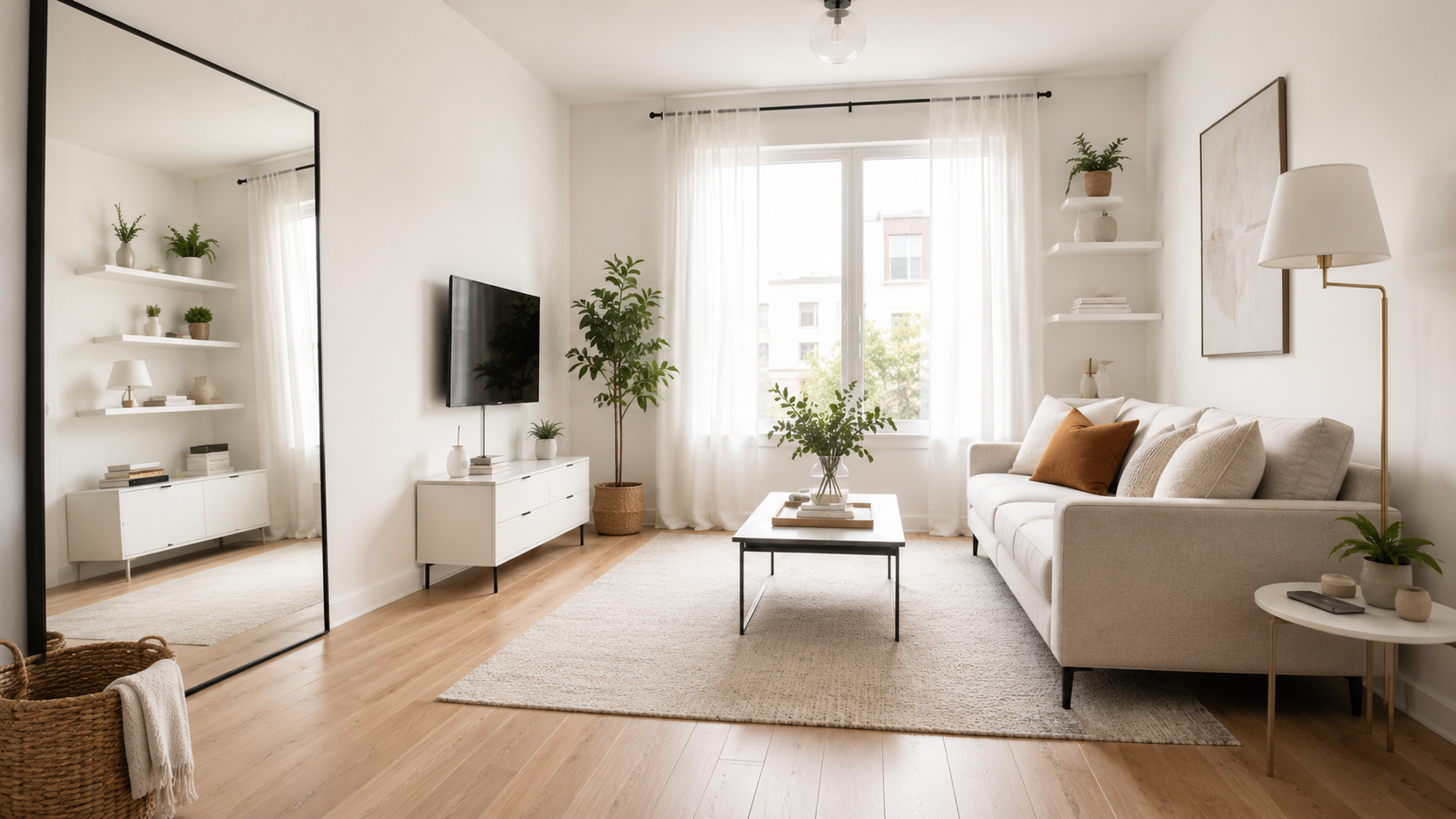
When planning furniture, leave enough space for movement. Avoid placing too many pieces close together. Furniture with raised legs can make floor cleaning easier and create a lighter visual effect.
Additionally, choose materials that match your lifestyle. Washable fabrics, easy-to-clean surfaces, and durable finishes are useful in busy homes.
Furthermore, avoid furniture that creates clutter without offering function. Every piece should have a purpose.
Sometimes, labels can make home organization easier, especially in shared spaces. Labels help everyone know where items belong and reduce confusion.
For instance, labels can be useful in pantries, laundry areas, storage boxes, cleaning cabinets, children’s spaces, and garden supply areas.
However, labels should be simple and practical. You do not need to label everything in the house. Use them only where they make the system easier to maintain.
Overall, labels are helpful when they support daily habits and make storage clearer.
Since this is a home and garden topic, outdoor spaces should also be part of your home planning. A balcony, backyard, patio, or garden can become messy if tools, pots, soil, and outdoor furniture are not organized.
First, define the purpose of the outdoor area. It may be for plants, relaxation, meals, children’s play, or garden care. Once the purpose is clear, choose items that support that function.
Next, create storage for garden tools, watering cans, gloves, fertilizers, seeds, and extra pots. Use shelves, boxes, hooks, or small cabinets to keep everything contained.
Additionally, remove dry leaves, broken pots, unused objects, and damaged furniture regularly. Outdoor organization improves the appearance of the whole home.
Clearly, visual clutter can make a home feel more difficult to maintain, even when it is not dirty. Too many objects on shelves, walls, tables, and counters can make rooms feel crowded.
To reduce visual clutter, choose fewer decorative items and leave empty space. A few meaningful decorations can have more impact than many random objects.
Additionally, use closed storage for items that are useful but not visually attractive. Cleaning products, cables, tools, extra toiletries, and paperwork usually look better hidden in organized storage.
Ultimately, a visually calm home feels cleaner, larger, and easier to care for.
Importantly, planning an easy-to-maintain home also means planning a realistic cleaning routine. Without routine, even a well-organized home can become messy.
First, divide tasks into daily, weekly, and monthly actions. Daily tasks may include making the bed, washing dishes, clearing surfaces, and returning items to their places. Weekly tasks may include cleaning bathrooms, mopping floors, dusting furniture, and changing bedding.
Additionally, monthly tasks can include organizing cabinets, cleaning windows, checking appliances, washing curtains, and reviewing storage areas.
Overall, a routine prevents cleaning from becoming overwhelming.
Practically, the one-minute rule is a simple habit that helps keep the home organized. If a task takes less than one minute, do it immediately.
For example, hang a coat, put shoes away, wipe a counter, throw out an empty package, place a cup in the sink, return a book to the shelf, or close a drawer.
Moreover, these small actions prevent clutter from building up. They also make the home easier to maintain because mess is handled before it grows.
Over time, the one-minute rule becomes automatic and supports a cleaner home.
Finally, a home organization plan should not be fixed forever. As routines change, your home may need small adjustments.
For example, if shoes keep piling up near the door, the shoe storage may be too small or inconvenient. If papers always collect in the kitchen, you may need a better document system. If cleaning products are hard to reach, they may need a new location.
Additionally, review each room from time to time and ask what is working and what is not. Organization is not about creating a perfect system once. It is about improving the home based on real daily use.
Therefore, allow your systems to evolve as your needs change.
In conclusion, planning a more organized and easy-to-maintain home is possible with simple and practical choices. You do not need a large budget or a perfect house to create a space that works better for your routine.
Overall, the most important steps are to understand your habits, define the purpose of each room, declutter before organizing, create a place for every item, choose practical storage, keep surfaces clear, and build a realistic cleaning routine.
Finally, remember that an organized home should make life easier. When your home is planned with intention, it becomes more comfortable, more functional, and much easier to care for every day.