How to Plan a More Organized and Easy-to-Maintain Home

Firstly, organizing your home does not have to be complicated, expensive, or stressful. Many people believe that a well-organized house requires fancy storage boxes, a large space, or an entire weekend of hard work. However, the truth is that a clean, functional, and pleasant home can be created with simple habits, practical decisions, and a clear system that fits your daily routine.
Moreover, home organization is not only about appearance. A well-organized home can make your day easier, reduce wasted time, improve comfort, and create a more peaceful environment for your family. When every item has a proper place, it becomes easier to clean, cook, work, rest, and enjoy your home without feeling overwhelmed by clutter.
Therefore, this complete guide will show you how to organize your home in a simple and efficient way. You will learn how to start, how to divide the process by rooms, how to create useful storage systems, and how to maintain everything with small daily habits.
To begin with, an organized home can directly affect your daily life. When your house is messy, even simple tasks can become tiring. Looking for keys, documents, clothes, cleaning products, or kitchen items can waste time and create unnecessary stress.
In addition, organization helps you understand what you already own. Many people buy repeated products because they cannot find what they already have at home. This happens often with food, cleaning supplies, clothes, tools, and personal care items. By organizing your spaces, you can save money and avoid waste.
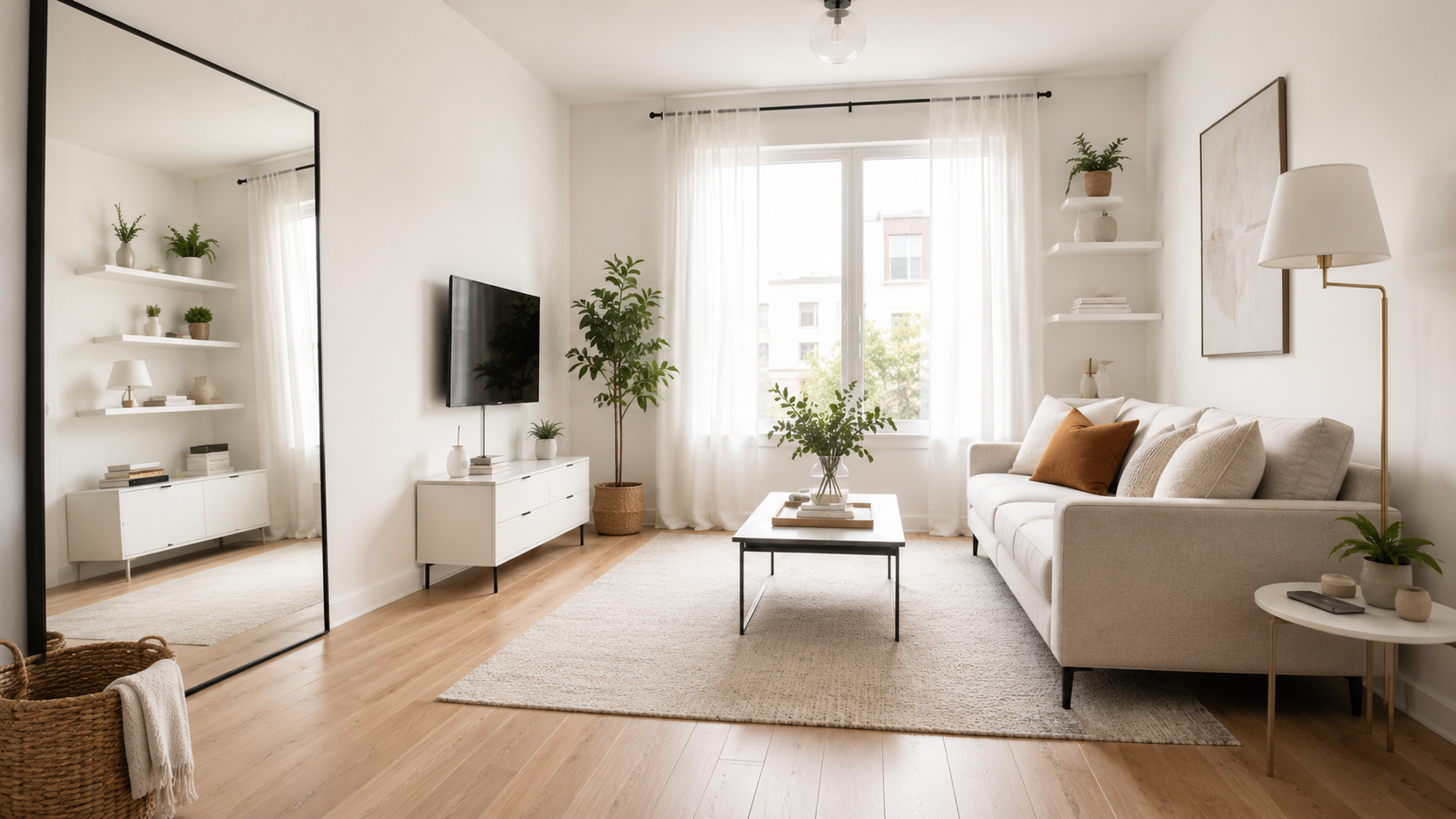
Furthermore, a clean and organized environment can make your home feel more comfortable. Even a small house or apartment can look spacious and pleasant when the furniture, objects, and storage areas are arranged with intention. Organization creates visual balance and makes each room easier to use.
Before anything else, avoid trying to organize the whole house in one day. This is one of the most common mistakes. When you try to do everything at once, the task becomes exhausting, and you may give up before finishing.
Instead, create a simple plan. Choose one room, one area, or even one drawer to begin. For example, you can start with the kitchen counter, the wardrobe, the bathroom cabinet, or the living room shelves. Small areas are easier to complete and give you motivation to continue.
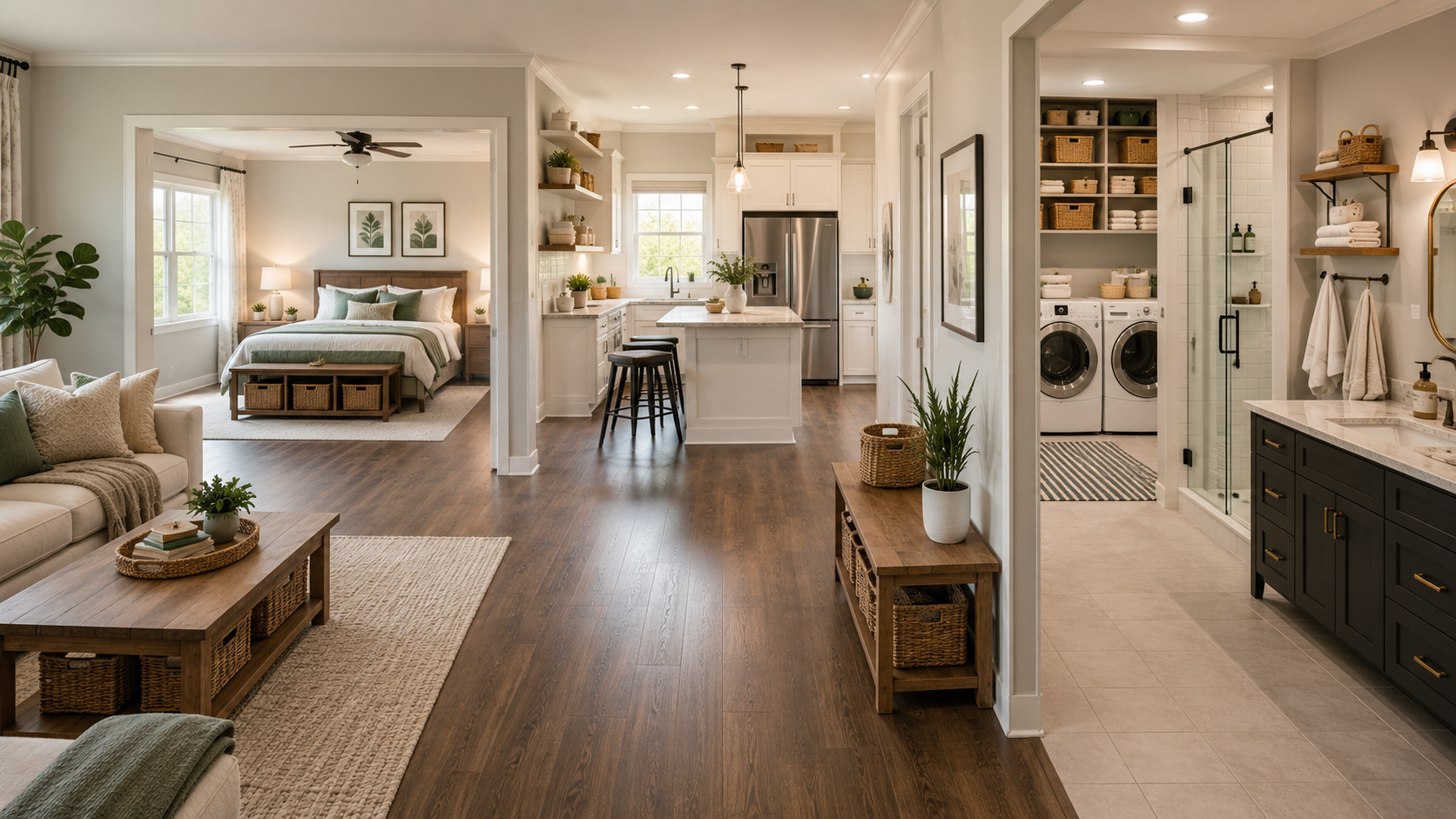
Then, write down the main spaces that need attention. You do not need a complex list. A simple note with rooms such as kitchen, bedroom, bathroom, laundry area, living room, and entrance is enough. After that, choose the most urgent area and begin there.
Most importantly, you should declutter before buying organizers or rearranging your items. Decluttering means removing things that you no longer use, need, or want. This step is essential because organizing unnecessary objects only transfers the clutter from one place to another.
For example, if your kitchen cabinets are full of plastic containers without lids, old utensils, repeated cups, or expired food, it will be difficult to keep the space functional. The same idea applies to clothes, papers, decorations, cleaning products, and garden tools.
As a rule, separate your items into simple categories: keep, donate, recycle, repair, or discard. This method makes decisions easier. If an item is useful, in good condition, and used regularly, keep it. If it is still good but no longer useful to you, consider donating it. If it is broken and cannot be repaired, remove it responsibly.
After decluttering, the next step is to define a proper place for each item. A home becomes messy quickly when objects do not have a specific location. This is why keys end up on tables, papers pile up on counters, and clothes remain on chairs.
Therefore, create a logical place for everything. Items used daily should stay in easy-to-reach areas. Items used less often can be stored in higher shelves, closed cabinets, or storage boxes. Seasonal items, such as holiday decorations or gardening tools used only during certain months, can stay in labeled containers.
Additionally, try to store items close to where they are used. Cleaning products should be near the cleaning area. Cooking utensils should be near the stove or preparation counter. Shoes should be near the entrance or wardrobe. This simple rule makes your routine faster and more practical.
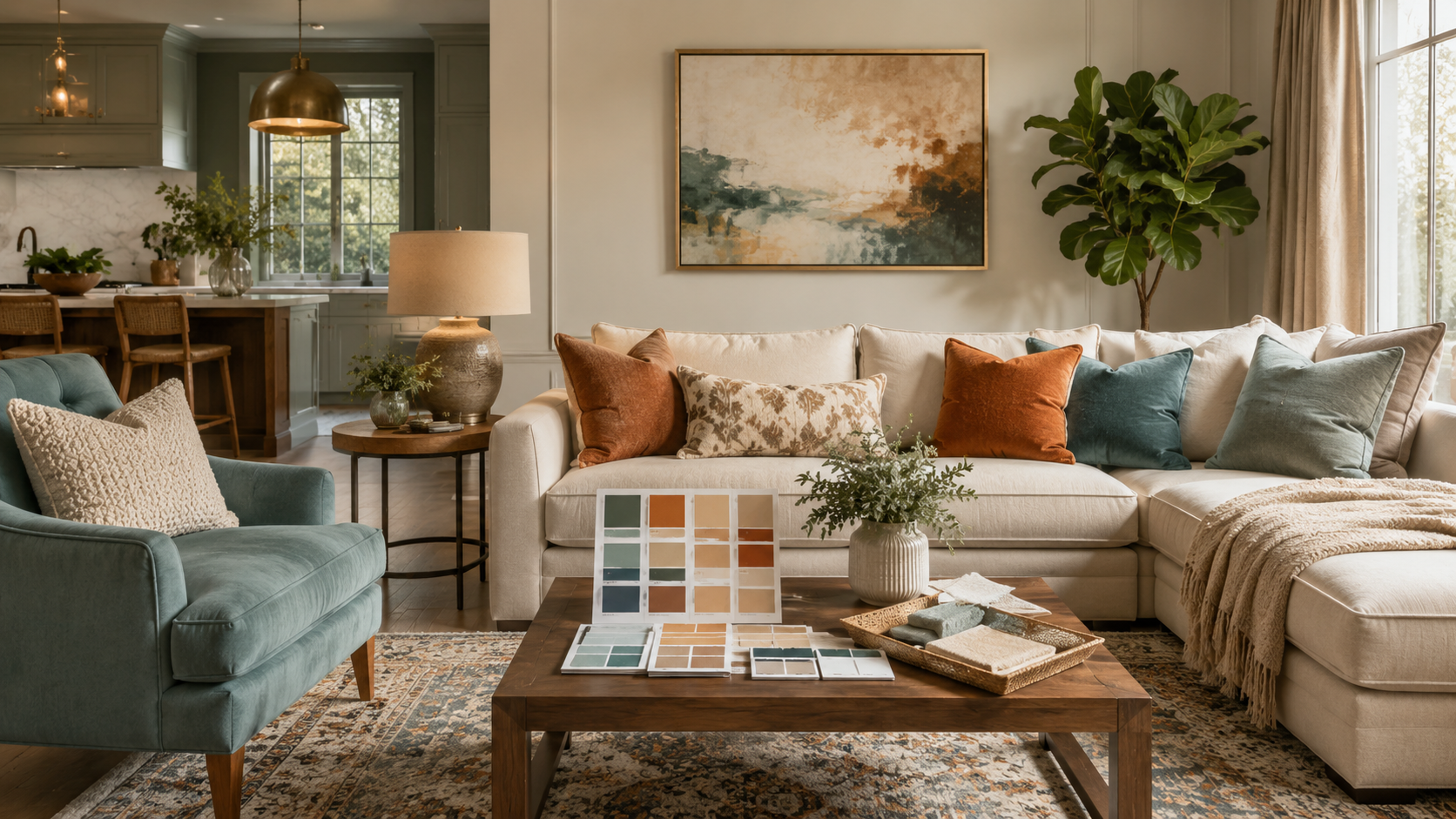
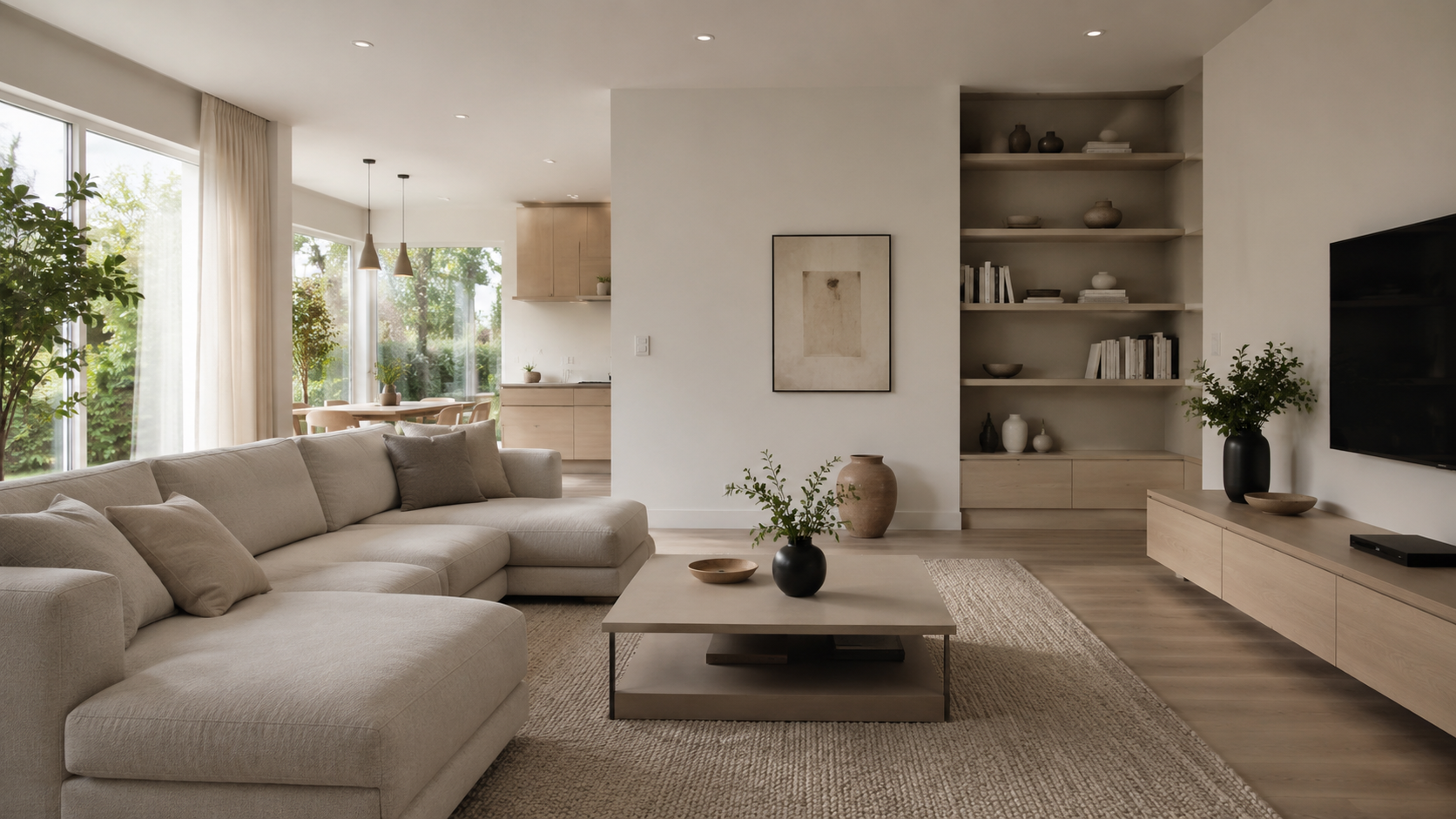
Usually, the living room is one of the most used areas of the home. It is where people relax, receive guests, watch television, read, or spend time with family. Because of this, it can easily collect objects from different parts of the house.
Firstly, remove anything that does not belong in the living room. Clothes, dishes, documents, toys, and random objects should return to their correct places. Then, organize the items that truly belong there, such as remote controls, books, blankets, decorations, and electronic accessories.
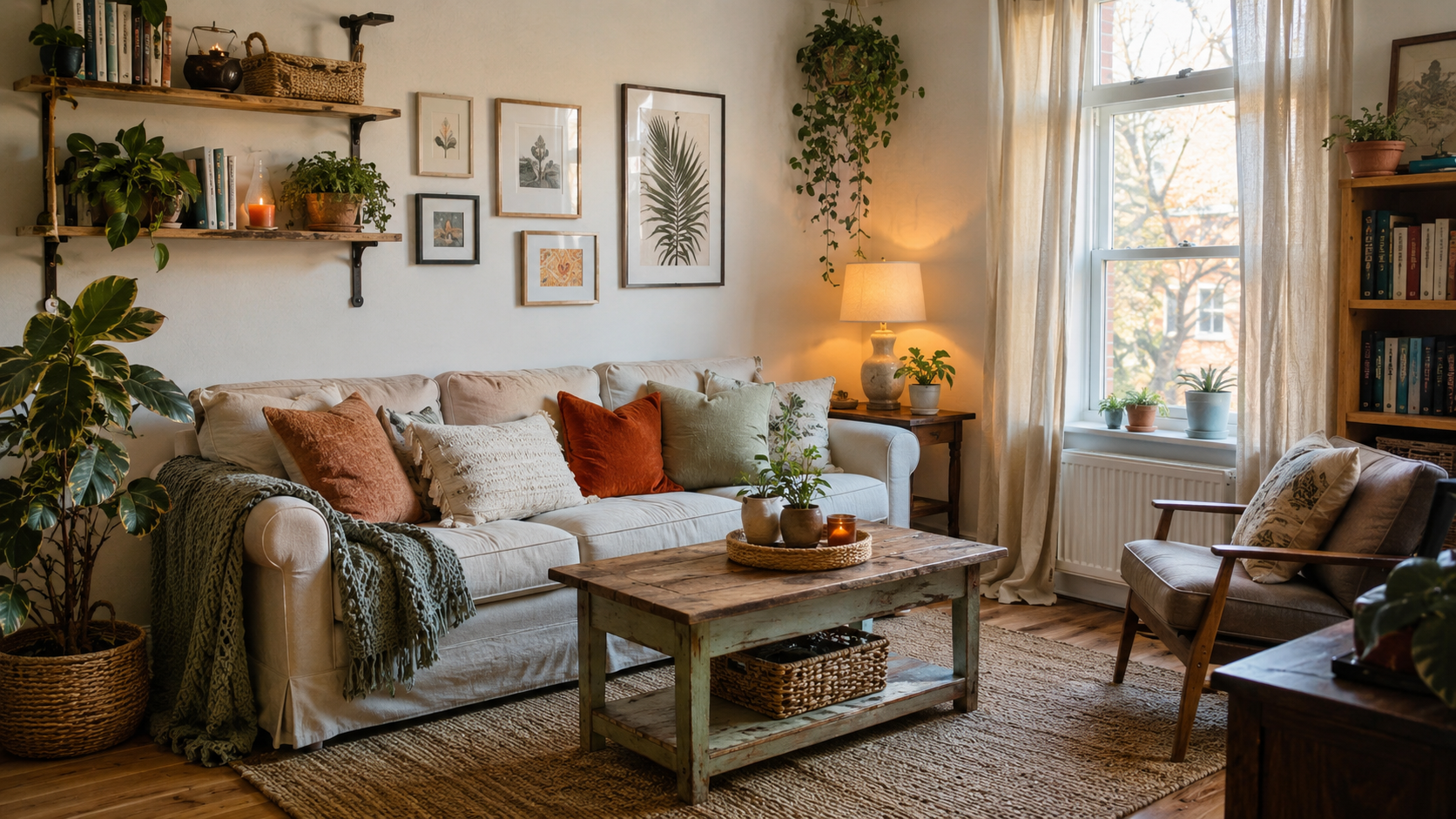
Besides that, use baskets, shelves, and small boxes to keep things in order. A basket can store blankets or magazines. A small tray can hold remote controls. Shelves can display books and decorative objects without making the room feel crowded.
Finally, avoid overdecorating. Too many objects can make the room look smaller and harder to clean. Choose a few decorative pieces that bring beauty and comfort without creating visual clutter.
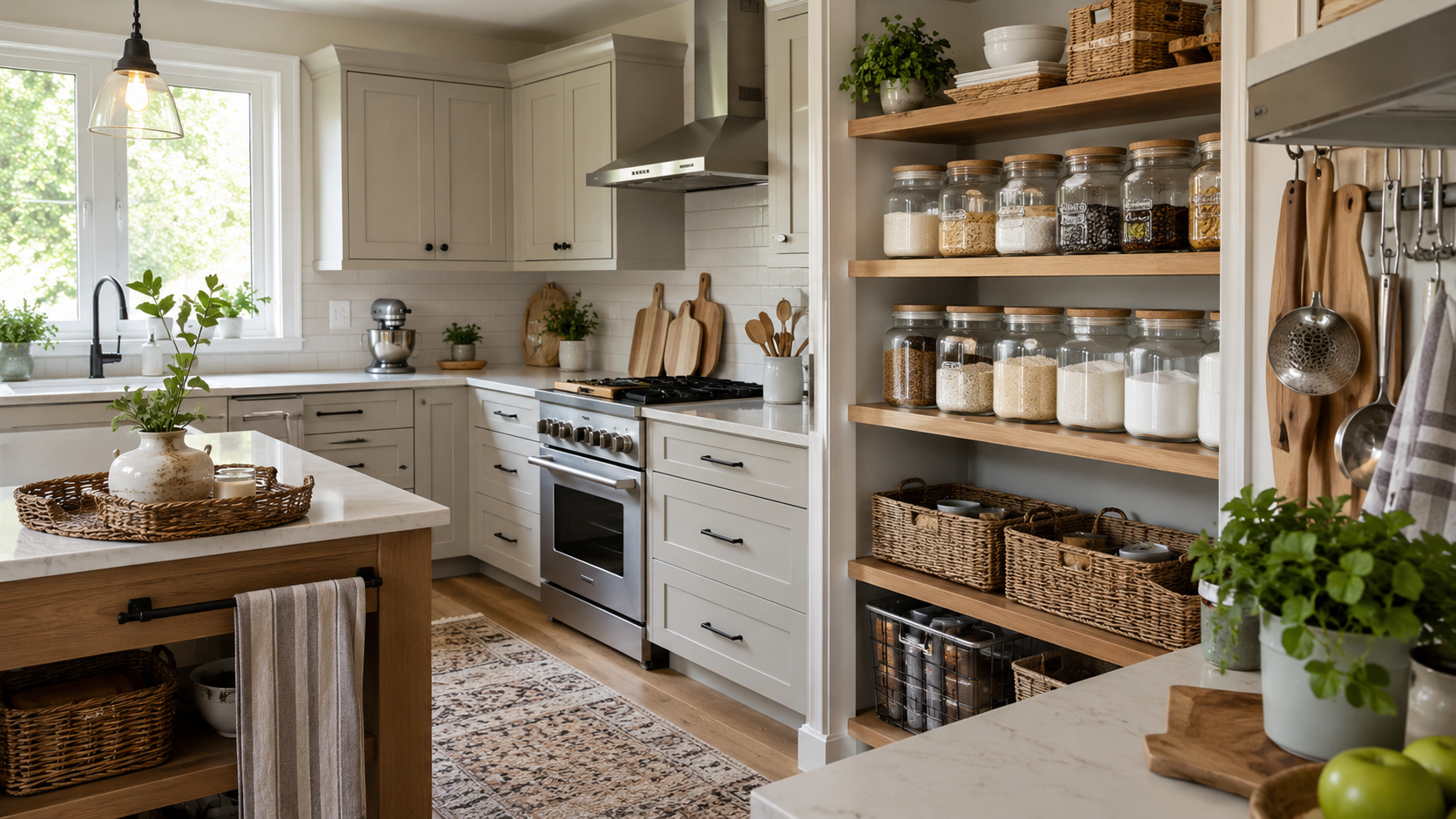
Certainly, the kitchen needs special attention because it is used every day. A disorganized kitchen can make cooking slower, cleaning harder, and food storage more confusing.
First, check your cabinets, drawers, pantry, and refrigerator. Remove expired food, broken utensils, repeated items, and products you no longer use. After that, group similar items together. Keep plates with plates, cups with cups, spices with spices, and cleaning products away from food.
Next, organize your kitchen according to your routine. Everyday dishes should be easy to reach. Pots and pans should be close to the stove. Cutting boards, knives, and basic utensils should stay near the food preparation area.
Also, keep countertops as clear as possible. A clean counter makes the kitchen look bigger and helps with daily cooking. Leave only the items you use frequently, such as a coffee maker, fruit bowl, or basic utensil holder.
Naturally, the bedroom should be a calm and comfortable space. However, it often becomes a place where clothes, shoes, accessories, and personal items accumulate.
To start, focus on the wardrobe. Remove all clothes that no longer fit, are damaged, or are never used. Then, organize the remaining pieces by category. You can separate shirts, pants, dresses, jackets, pajamas, and workout clothes.
Additionally, use drawer dividers or simple folding methods to make better use of space. When clothes are visible and accessible, it becomes easier to choose what to wear and maintain order.
Furthermore, keep bedside tables simple. A lamp, a book, a glass of water, or a small decorative item may be enough. Too many objects near the bed can make the room feel messy and less relaxing.
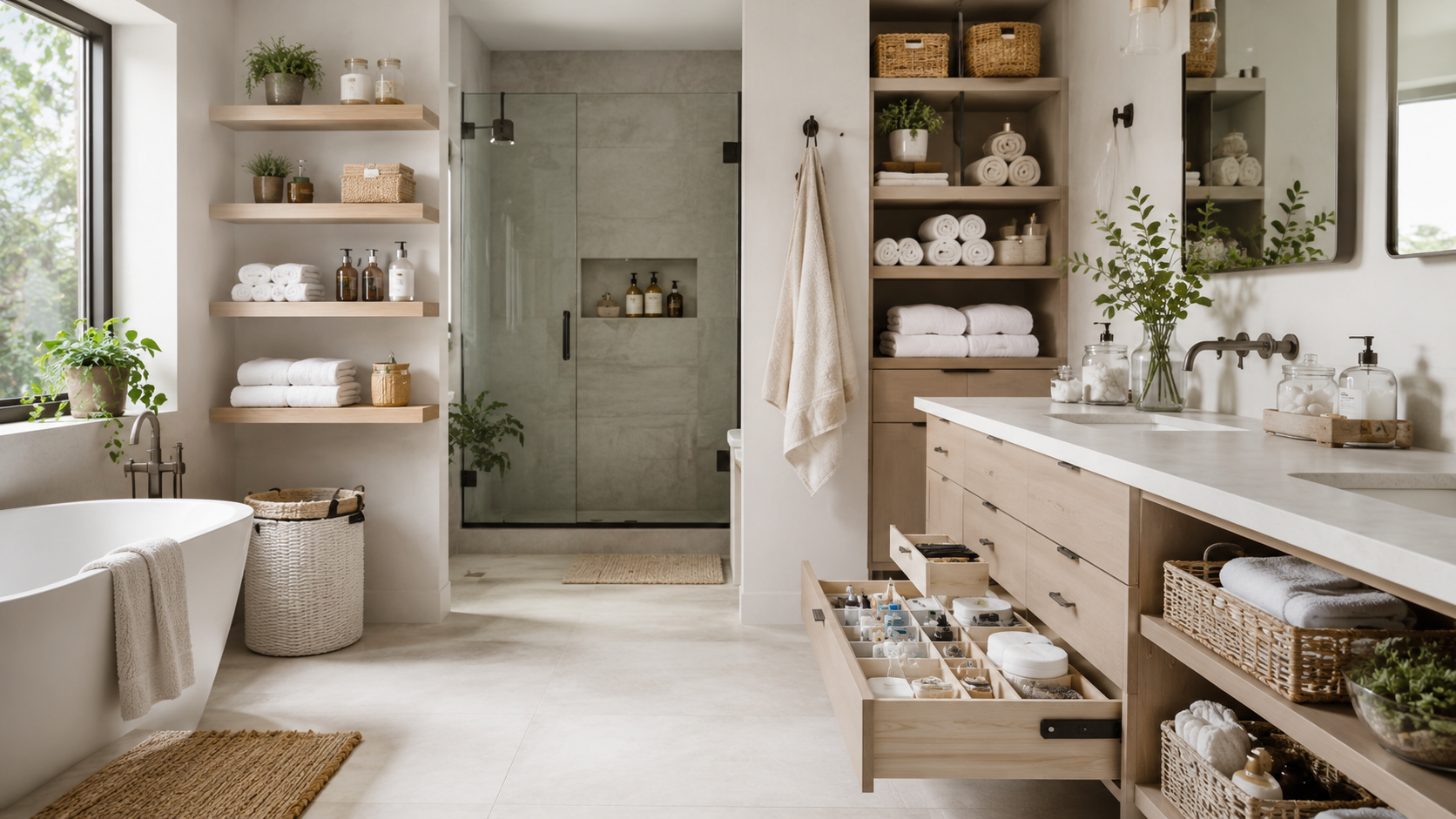
In general, bathrooms are small spaces, so organization is very important. Products can quickly take over the sink, shelves, and cabinets.
First, check all personal care products, cosmetics, medicines, towels, and cleaning items. Remove empty packages, expired products, and things you no longer use. Be careful with medicines and dispose of them according to local guidance.
Then, separate items by category. Keep daily products, such as toothpaste, soap, shampoo, and skincare items, in easy-to-access places. Extra products can be stored in baskets or closed cabinets.
Moreover, avoid leaving too many things on the sink. This makes cleaning easier and keeps the bathroom looking fresh. A small tray or organizer can help keep essential items neat.
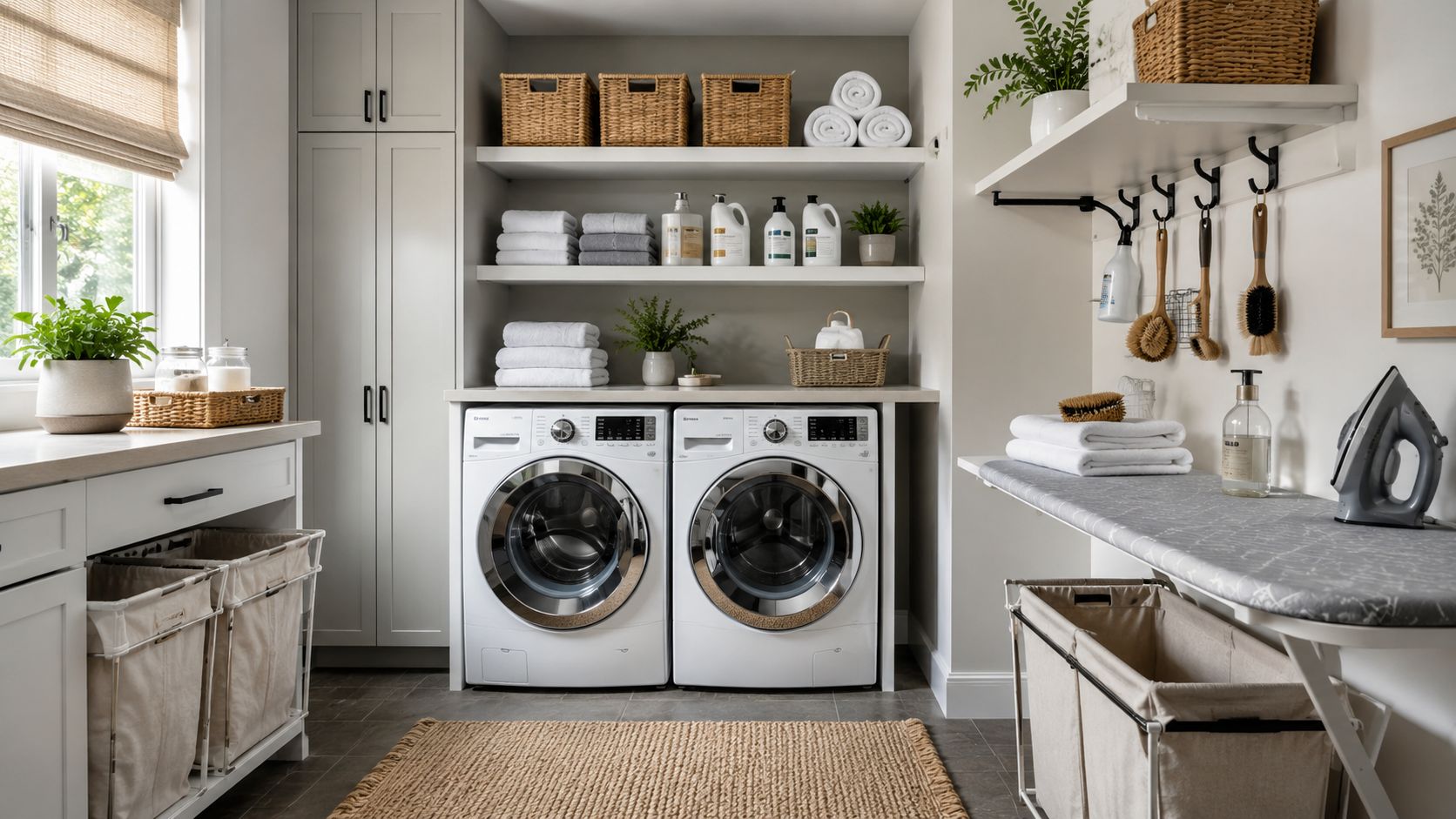
Although the laundry area is often small, it can become one of the most functional parts of the home when organized correctly. This space usually stores cleaning products, laundry items, buckets, cloths, and sometimes tools.
Firstly, separate products by use. Laundry soap, fabric softener, stain remover, and clothespins should stay together. General cleaning products can be placed on another shelf or in another basket.
Also, use vertical space. Wall shelves, hooks, and hanging organizers can help store brooms, mops, brushes, and cleaning cloths without taking up floor space.
Finally, keep dangerous products away from children and pets. Cleaning supplies should always be stored safely, preferably in closed or high cabinets.
Often, the entrance is the first area people see when they arrive. It is also where keys, bags, shoes, umbrellas, and mail can create clutter.
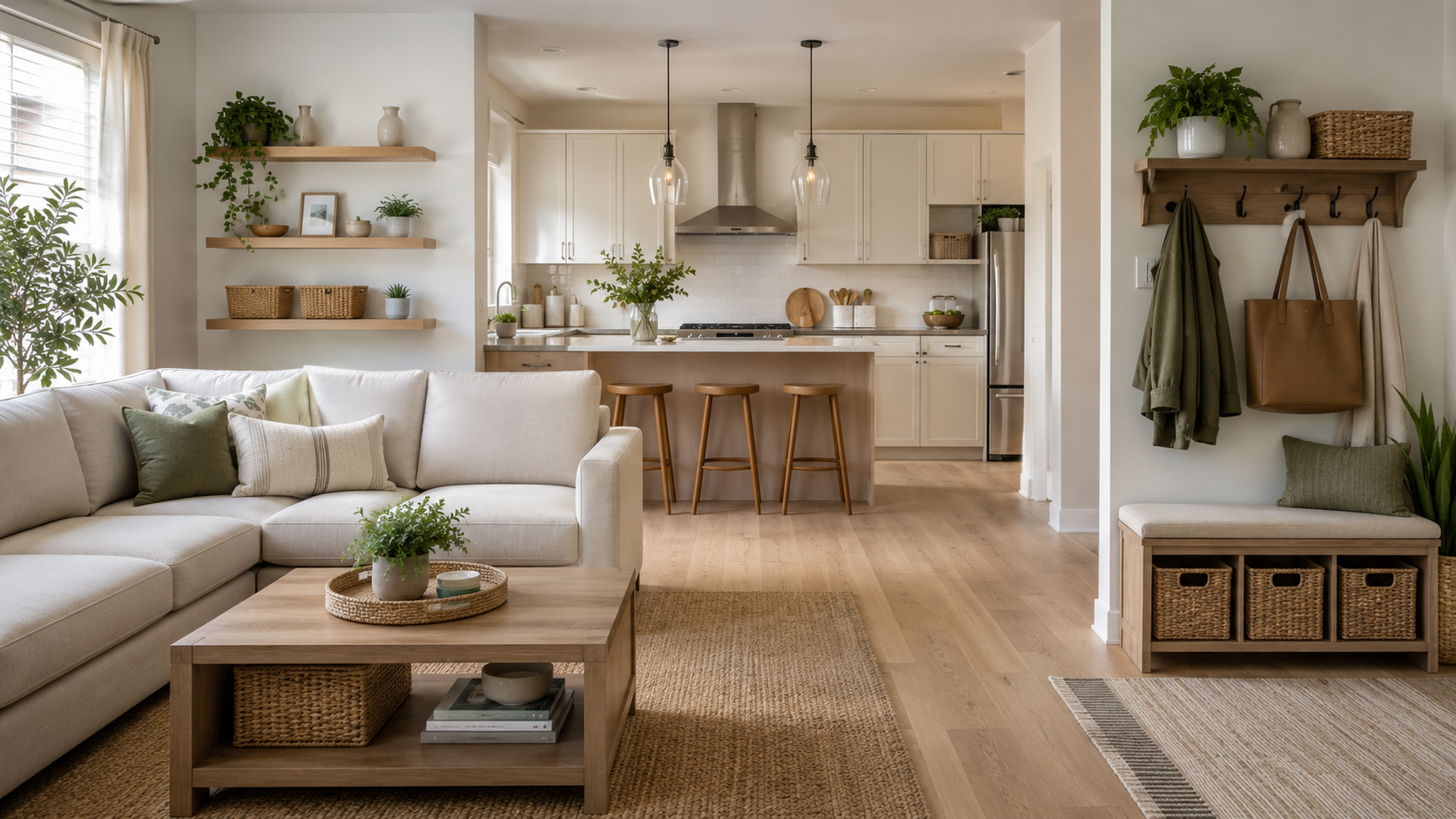
For this reason, create a small system near the door. A key holder, a shoe rack, a small bench, or a basket for daily items can make a big difference. The goal is to prevent objects from spreading throughout the house.
Additionally, keep this area visually clean. Since it creates the first impression of your home, a simple and organized entrance can make the whole house feel more welcoming.
Importantly, storage does not need to be expensive. You can organize your home using simple solutions that match your space and budget.
For example, baskets are useful in living rooms, bedrooms, bathrooms, and laundry areas. Transparent containers work well for pantries and cabinets because they allow you to see what is inside. Labels are helpful for boxes, shelves, and cleaning products.
Likewise, drawer dividers can organize utensils, accessories, office supplies, and personal items. Hooks can be used behind doors, inside cabinets, or on walls to store bags, towels, tools, and gardening items.
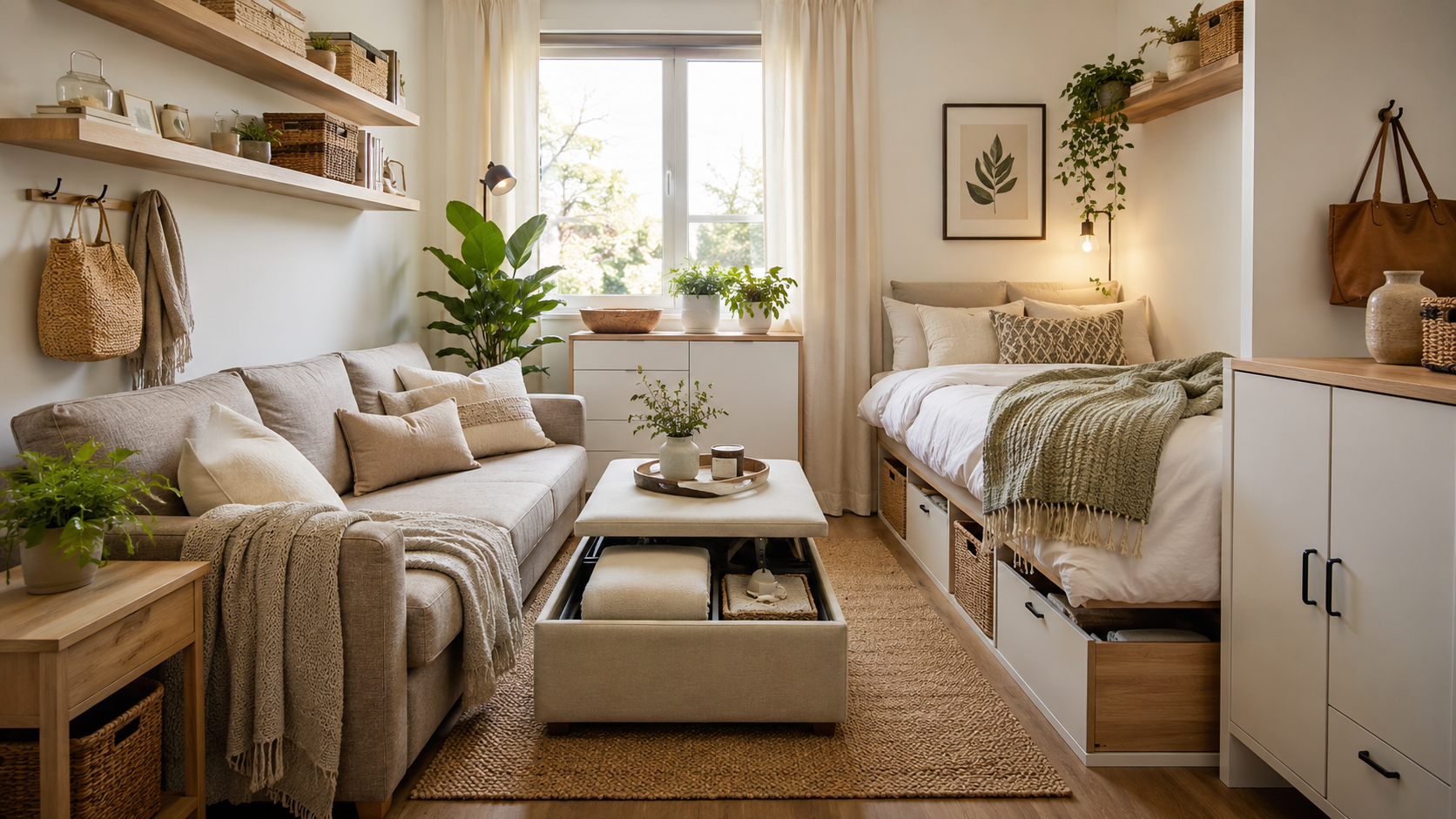
Another good idea is to use furniture with hidden storage, such as benches, beds with drawers, or coffee tables with compartments. These options are especially useful for small homes and apartments.
After organizing, maintenance becomes the most important part. A house does not stay organized by itself. However, you do not need to spend hours every day cleaning and arranging everything.
Instead, create small daily habits. Make the bed in the morning, wash dishes after meals, put clothes in the laundry basket, return items to their places, and clear surfaces before going to sleep.
Besides that, use the “one-minute rule.” If a task takes less than one minute, do it immediately. Hanging a coat, putting away a cup, throwing out a paper, or returning a book to the shelf are small actions that prevent clutter from growing.
Also, schedule a weekly reset. Once a week, walk through the house and return misplaced items to their places. This habit keeps your home under control without requiring major cleaning sessions.
Unfortunately, many people make organization harder than it needs to be. One common mistake is buying storage products before understanding what needs to be stored. This can create more clutter instead of solving the problem.
Another mistake is keeping too many items “just in case.” While it is reasonable to keep useful things, storing too many unused objects can take valuable space and make cleaning more difficult.
Additionally, avoid copying organization systems that do not match your lifestyle. A beautiful system seen online may not work for your home, your family, or your routine. The best organization method is the one you can maintain.
Gradually, your home becomes easier to manage when you build habits that support organization. These habits do not need to be difficult. They simply need to be consistent.
For instance, clean as you go while cooking. Return items to their places after using them. Open mail near the recycling bin. Keep a donation box in a closet for items you no longer want. Review your pantry before shopping.
Over time, these actions become automatic. Instead of waiting until the house becomes messy, you prevent clutter from building up. This makes your home easier to clean and more pleasant to live in.
In conclusion, organizing your home in a simple and efficient way is possible for anyone. You do not need a large budget, perfect furniture, or professional help to create a cleaner and more functional home. What you need is a clear plan, practical storage, regular decluttering, and small habits that fit your routine.
Ultimately, the secret is to start small and stay consistent. Choose one area, remove what you no longer need, define a place for each item, and maintain the space with daily actions. Little by little, your home will become more organized, comfortable, and enjoyable.
Finally, remember that home organization is not about perfection. It is about creating a home that supports your life, makes your routine easier, and gives you a peaceful place to live. A well-organized home brings comfort, beauty, and practicality to everyday life.